

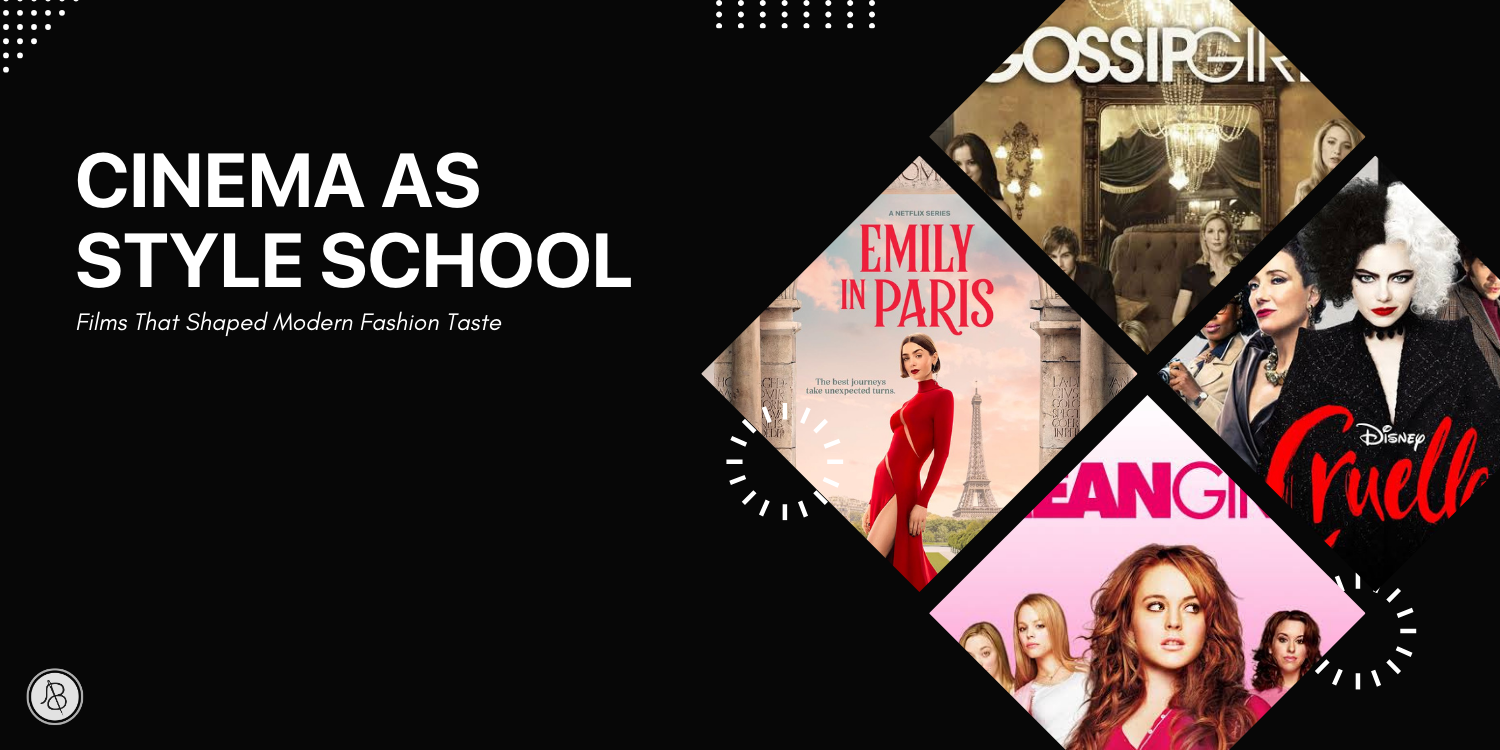
Personal style isn’t found in a single shopping spree or built overnight. It’s formed over time by what you see, admire, and internalize—by training your eye to read beyond the label and interpret the subtext of how clothes are worn. Shopping, after all, is where style goes public, but the groundwork of good taste is laid long before the dressing room. Here’s a truth: the more intentional your visual references, the richer your personal style becomes.
Movies and series are a runway of inspiration. Their wardrobes are crafted with care and precision, never accidental. Each look you see—confident, bold, understated, or rebellious—is a crafted message. When you step back and really watch (not just what, but why), these films and shows become a secret playbook. They teach you about composition, silhouette, mood, and intention—ingredients for the kind of style that lingers in memory and shapes your next outfit.
Let’s explore standout titles that do more than look fashionable. Each offers a lesson that translates from the screen into real life, giving you tools to elevate your wardrobe and mindset.
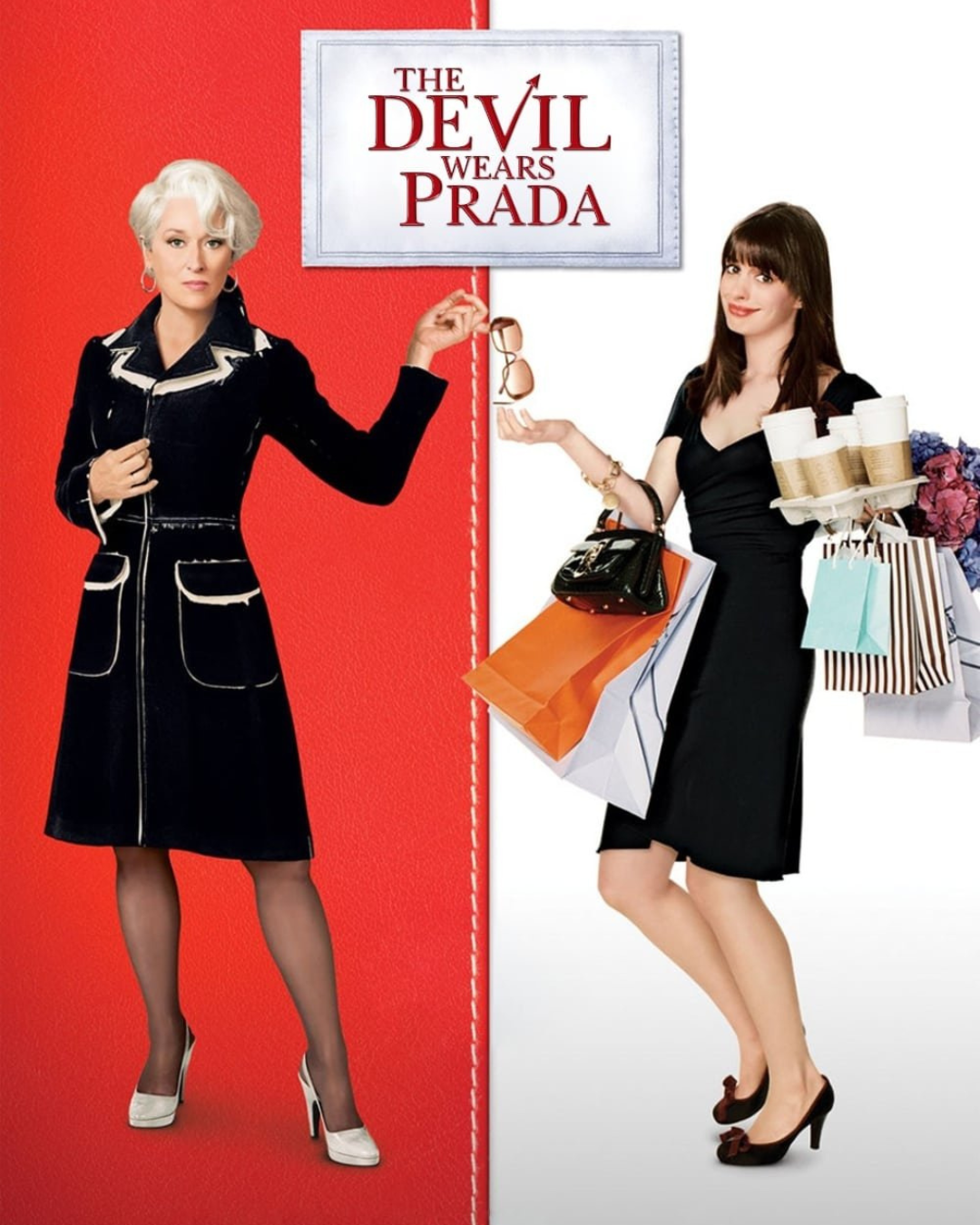
The Devil Wears Prada: Awareness Changes Everything
At its heart, The Devil Wears Prada is about a transformation that goes far deeper than a wardrobe upgrade. Andy Sachs arrives at Runway magazine completely unconcerned with fashion, dressed in ill-fitting sweaters and clunky shoes—visible proof that she hasn’t yet learned the visual language of her new world. Her clothes make her invisible and undermine her credibility, no matter how smart or capable she may be.
But Andy’s journey isn’t really about access to luxury; it’s a lesson in how awareness sharpens style. Her metamorphosis begins not with shopping but with learning—studying how clothes build competence and signal intent in an environment where every detail counts. As Miranda Priestly shoots down Andy’s attempts to dismiss fashion, we all learn that every shade of blue has a story, and every outfit is a curated statement. This is the film’s greatest style lesson: style is rarely accidental. The shift happens when Andy starts to observe—noticing fit, fabric, silhouette, and how each piece slots into a larger whole. She becomes intentional, understanding that great style is about alignment between self, circumstance, and clothing.
If you want to dress better, start with paying attention. Take note of how different environments have their own visual codes, and how details like drape, color, and coordination can communicate confidence before you speak. Like Andy, realize that when you care and observe, everything sharpens. You don’t need a walk-in closet of designer brands—just the intent to see, learn, and adapt. After this film, you’ll look in your own closet and start asking not just “What do I wear?” but “What story am I telling today?”
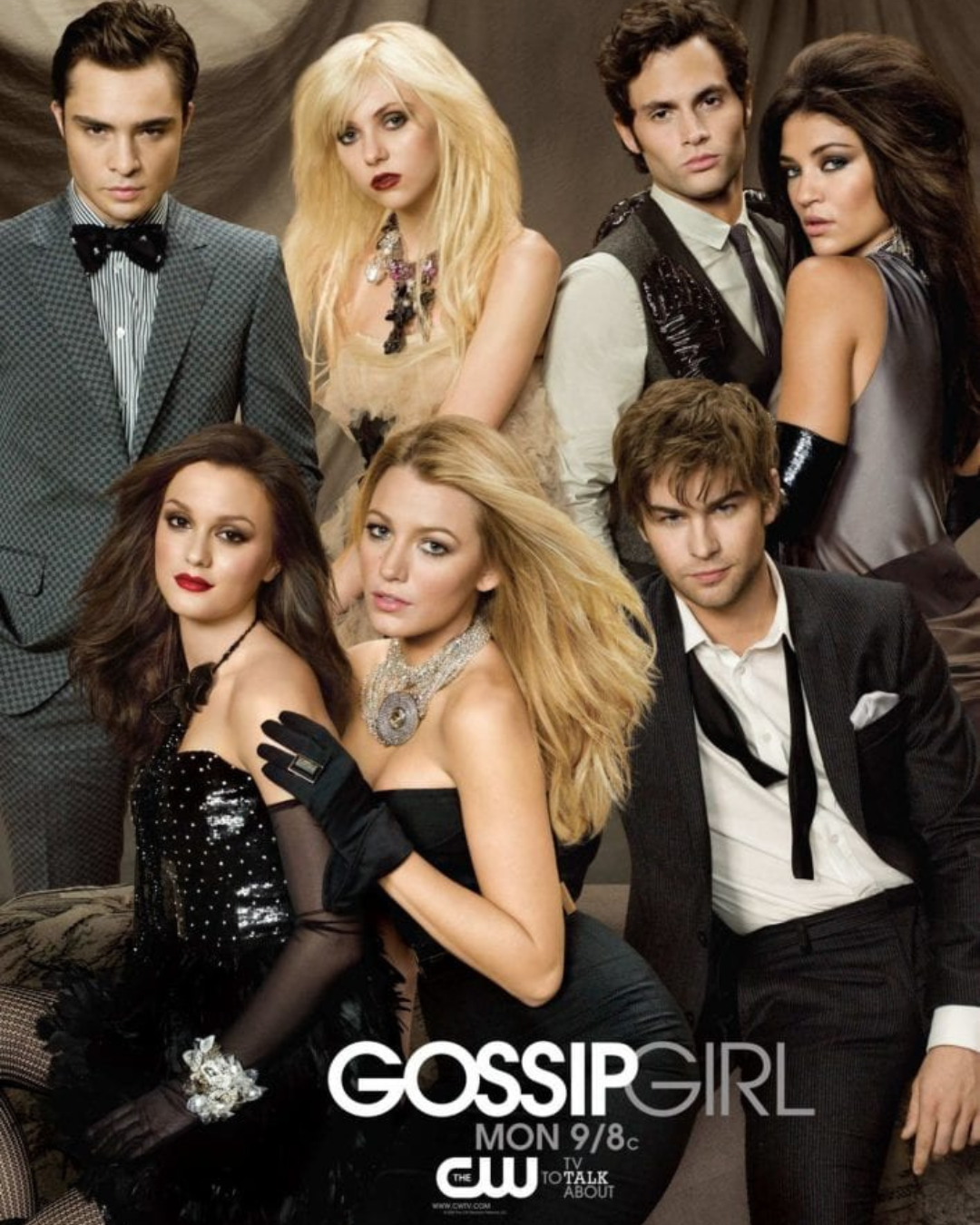
Gossip Girl: Clothes as Social Power
Few series make fashion feel like artful strategy as much as Gossip Girl. The show’s glossy Manhattan setting is a world where every character uses clothing as both shield and weapon in social chess. Blair Waldorf’s signature headbands and perfect collars aren’t just preferences—they’re visual cues, signaling her role as the mastermind. Serena van der Woodsen, with her disheveled glamour, uses effortless style to radiate unattainable cool. Even Jenny Humphrey’s evolution is chronicled through bold wardrobe shifts, signaling her shifting alliances and inner transformation.
But beyond the glitz, Gossip Girl unpacks a deeper style insight: what you wear crafts your narrative in the eyes of others. Outfits are chosen with naked ambition, carefully calculated for each scenario—takeovers, heartbreaks, victories. When Blair suits up in a crisp blazer or an ornate coat, she’s not just protecting herself from the cold—she’s wrapping herself in authority and expectation. The school uniforms, modified and personalized, become a canvas for status and rebellion.
This is power dressing at its boldest. Whether you’re layering to stand out or toning down to blend in, the takeaway is that style, when used with intent, can change the way you move through the world. Want to stand out in a new job or signal you’re ready for a challenge? Think about how your choices—color, tailoring, accessories—help you claim space or project ambition. Gossip Girl shows that presence is made visible long before you utter a word. Use fashion as a tool. Own your narrative.
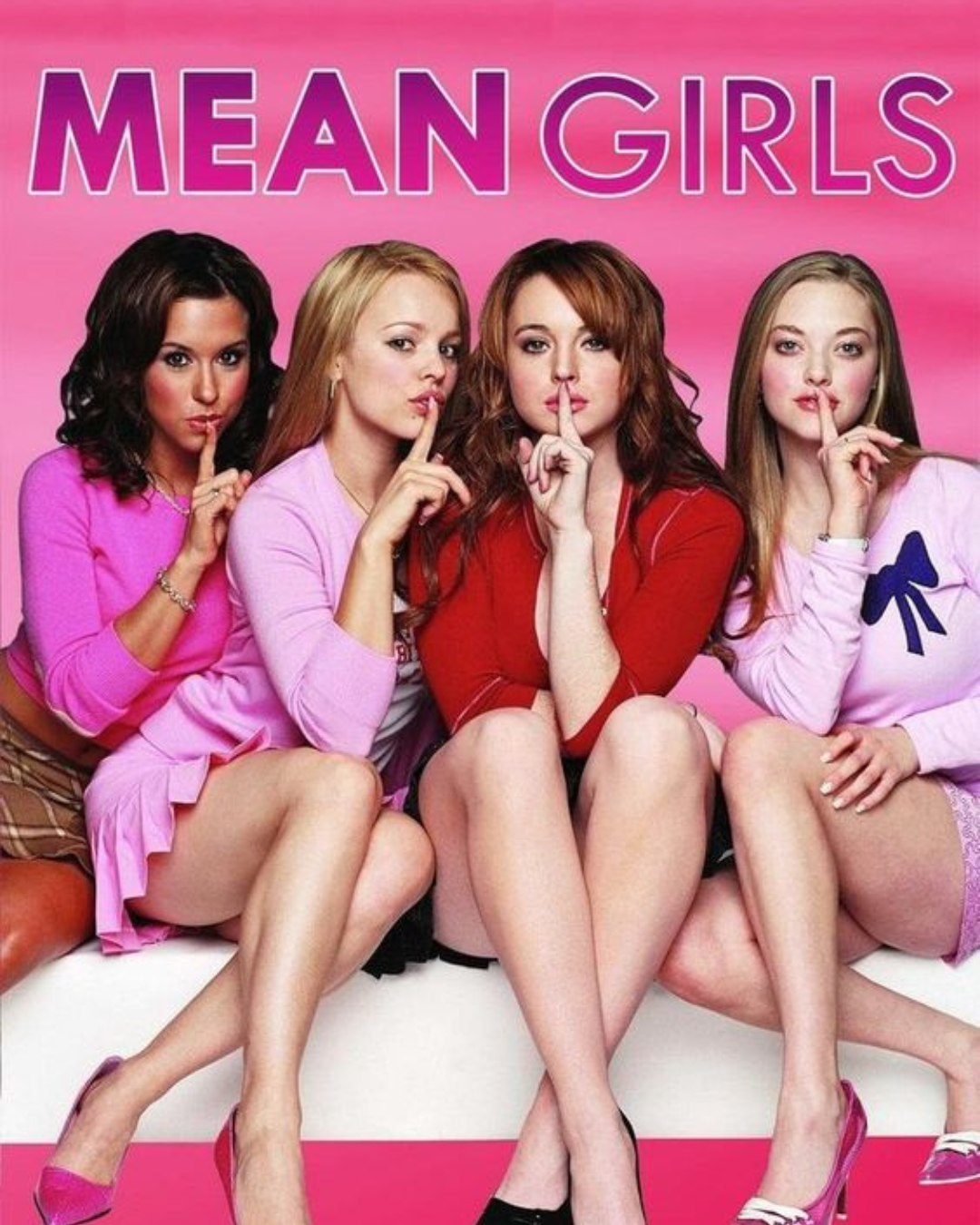
Mean Girls: Unspoken Dress Codes
High school hallways become fashion battlegrounds in Mean Girls, but the insight extends far beyond adolescence. The Plastics, led by Regina George, enforce a rigid dress code, down to the day-specific rules: wear pink on Wednesdays, no jeans after a certain season, and ponytails limited to once a week. These seemingly silly rules are, in effect, real illustrations of how every group—professional, social, or familial—polices its members with unspoken codes.
Cady Heron’s journey is a masterclass in assimilation. She ditches her eccentric, outsider wardrobe for mini skirts and coordinated accessories not because she loves them, but because conforming gains her access and, for a while, confidence. As she moves into the clique’s inner circle, her style reflects her shifting role. But the ease of fitting in is offset by the risk of losing personal identity—a warning embedded throughout the film.
Mean Girls drives home that every setting—from the office to friend circles—imposes invisible style rules. Understanding these codes can help you choose to blend in or break out. Want to fit in at work? Observe prevailing silhouettes, colors, or even sneaker-vs-heel ratios. But take a cue from Cady and remember that confidence comes from authenticity, not just acceptance. Navigating dress codes thoughtfully helps you strike the balance between being seen and staying true to yourself.
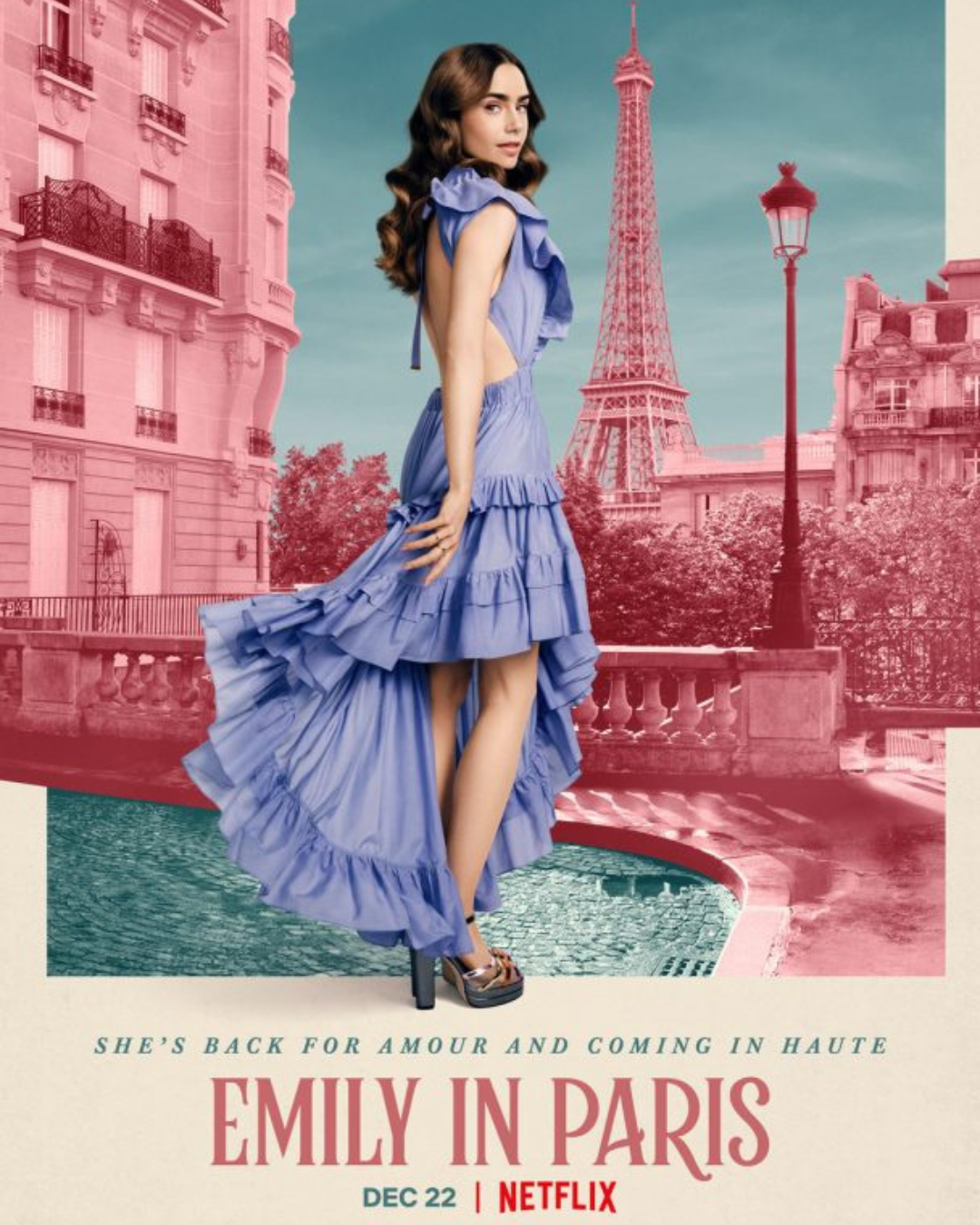
Emily in Paris: Confidence Carries Imperfection
Emily in Paris doesn’t just spark debate—it embodies it. Emily Cooper’s wardrobe is a riot: clashing prints, daring hats, playful boots, and color explosions in every episode. For some, it’s chaotic; for others, it’s pure joy. The most striking lesson isn’t about following Emily’s fashion choices, but about how she wears even her most unconventional looks with unwavering, infectious confidence.
What Emily reveals is that self-assurance can become the magic ingredient in personal style. There’s freedom in breaking rules and pushing boundaries when you’re committed. Her styling may break every Parisian convention, but her conviction softens criticism and allows her to stand out. She demonstrates that the true currency of style isn’t approval, but authenticity—your commitment to what you love, regardless of how polarizing it may be.
The series also signals that experimenting with fashion is vital for growth. Take risks; let your own personality shape how you put looks together. If you adore bold accessories or have a penchant for layering, do it with intent and confidence. Even perceived mistakes can become part of your unique signature, transforming imperfection into intrigue. Wear your choices like Emily: unapologetically.
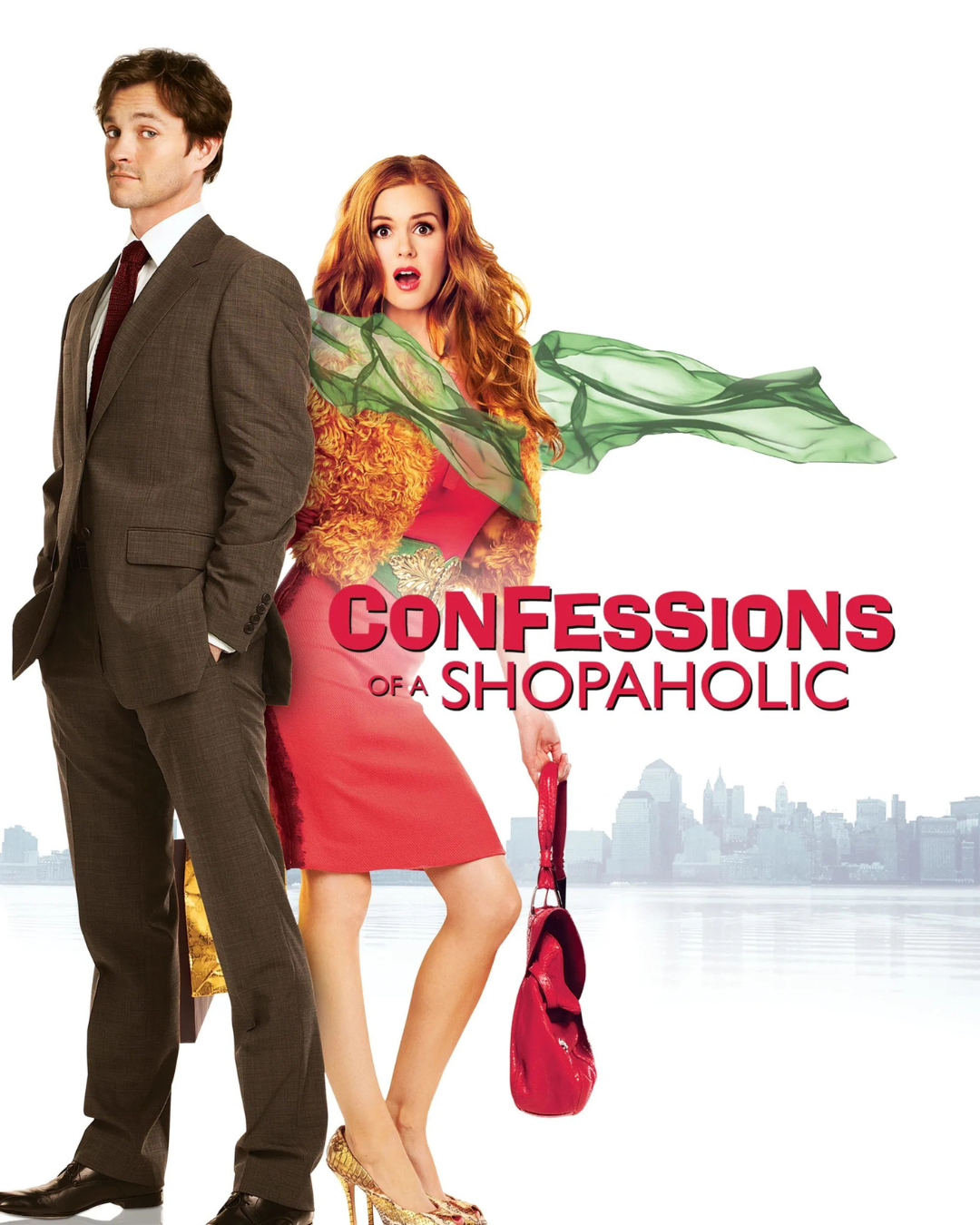
Confessions of a Shopaholic: Shopping vs. Style
Rebecca Bloomwood’s closet is packed but her style is lacking—a warning echoed in Confessions of a Shopaholic. As she chases trends and throws cash at fleeting dopamine highs, her wardrobe fills with “orphans”: pieces that fit no purpose and match nothing else. The initial thrill is replaced by frustration, indecision, and that familiar “I have nothing to wear” feeling.
This film distills a hard truth: more shopping does not equal better style. Good style starts with buying less but buying better—choosing pieces that complement your life and everything else you own. Rebecca’s transformation comes not from a shopping spree, but from a reckoning: learning to “shop her closet,” make intentional purchases, and seek function over accumulation.
It’s also a reminder to slow down and reflect before grabbing the next sale find. Revisit what you already own, build versatile combinations, and seek purchases that truly plug wardrobe gaps. Mindful acquisition—rather than impulsive consumption—leads to a style that’s both functional and unique. In the end, a closet that works for you is more satisfying than a closet that just works your credit card.
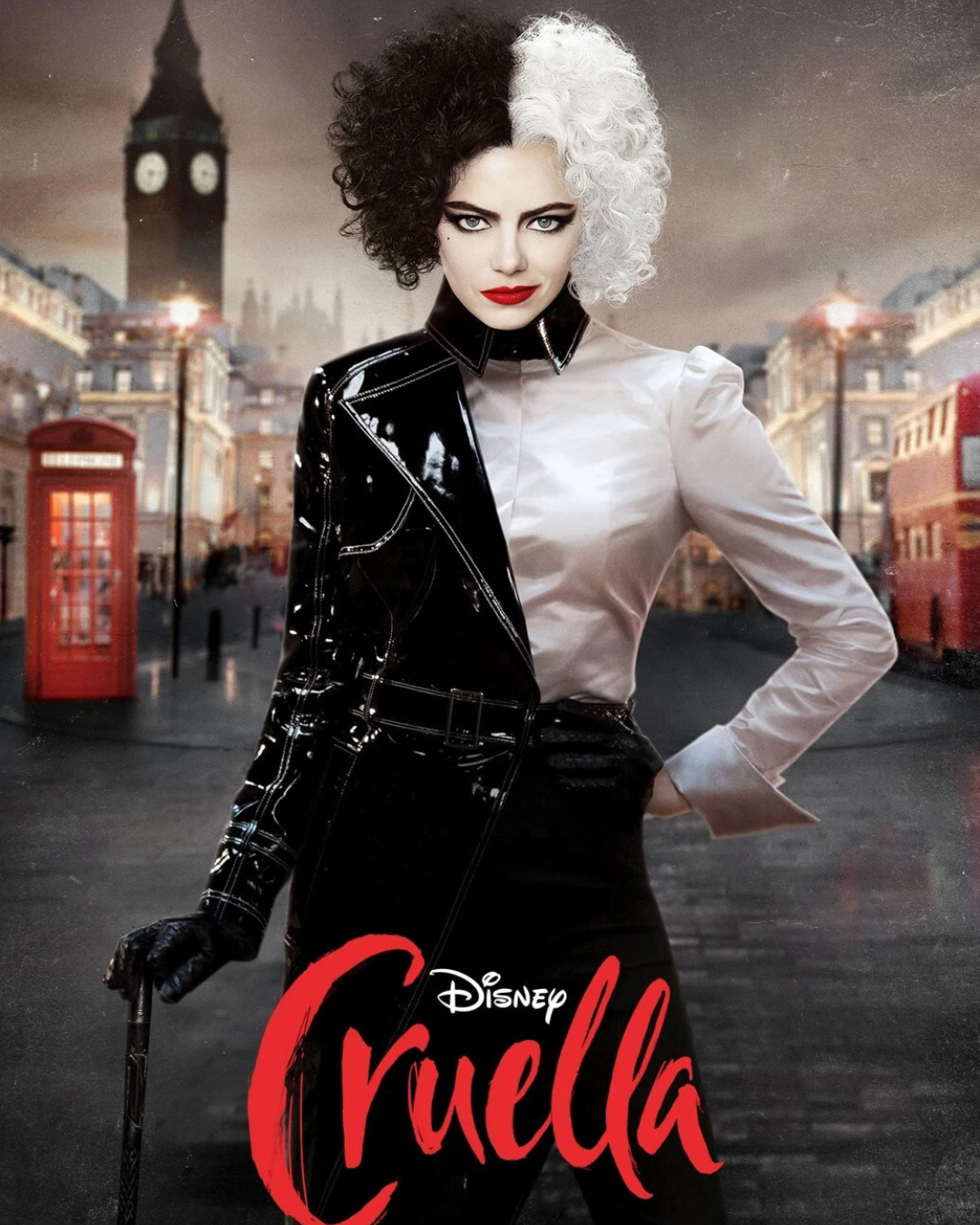
Cruella: Identity Over Trends
Disney’s Cruella explodes onto the screen with defiant energy and dazzling costumes. Estella’s evolution into the audacious Cruella De Vil is fiercely chronicled through her ever-bolder, more extravagant looks. Unlike most films, trends mean little here—every ensemble is a pronouncement of identity, artistry, and rebellion.
What makes Cruella’s style so magnetic isn’t just the drama of her looks, but the intent behind them. She designs for herself, performing her own story through each fabric, silhouette, and flourish. It’s an embrace of authenticity that dismisses the need for external validation. Her iconic garbage truck dress, for example, is pure spectacle—unapologetic, original, unmistakably hers.
For anyone feeling boxed in by current trends or Instagram standards, Cruella is freedom in cinematic form. It teaches that style becomes powerful only when rooted in who you are. Try leaning in to what feels like “you”—whether that’s punk, classic, or avant-garde. Fashion becomes truly memorable when you stop asking for permission and start expressing yourself, flaws and all.
.jpg)
Breakfast at Tiffany’s: Simplicity Endures
In a world obsessed with the new, Breakfast at Tiffany’s stands as a love letter to restraint. Audrey Hepburn’s Holly Golightly is iconic without ever appearing over-dressed. Her little black dress, string of pearls, and oversized shades prove that less really can be more. There’s genius in picking versatile, beautifully fitting classics that transcend fads.
Holly’s style didn’t rely on endless variety, but on refinement and perfect curation. The effect is both timeless and effortless—a look as relevant today as it was sixty years ago. The lesson here is to prioritize quality and cohesion. Owning a few silhouettes that flatter and delight you will always outshine a closet full of momentary trends.
If you crave effortless elegance, study Holly: choose essentials with intention (the perfect white shirt, the just-right trench, or those go-everywhere loafers). Invest in pieces that feel good year after year. Remember, the most memorable looks are quiet statements, not loud declarations. Let your simplicity do the talking.
Why These References Matter
Watch movies and series with an eye for intention, and you’ll begin to see your own style through a sharper lens. You’ll learn how to compose, edit, and create mood with your clothes. It’s not about the constant chase for something new, but about building a library of visual references and lessons that quietly shape your choices—on and off the screen.
Feeling uninspired? Before heading to the mall, revisit one of these titles. Absorb how confidence, ambition, or even simplicity are styled and performed. Focus not just on what the characters wear, but on the energy and intent behind it. With thoughtfully chosen influences, your personal style grows richer—making your next outfit less about trends and more about you.