

Fashion in 2025 wasn’t driven by trends alone. It was driven by people.
For years, the industry operated on a cycle of viral moments and algorithm-friendly aesthetics. We scrolled, we double-tapped, and we moved on. But this year felt different. The most compelling style narratives weren’t born on a mood board in a design studio; they were born from individuals who treated getting dressed as an act of personal defiance and artistic expression.
The year was defined by a shift away from rigid formulas and toward instinct. It wasn’t about wearing the "right" brand or the "it" item. It was about how clothes were worn—the attitude, the context, and the confidence. We saw a return to personality.
Ten specific faces stood at the center of this shift. These individuals didn't just wear clothes; they communicated through them. They reminded us that fashion, at its best, is a form of autobiography. From the playful disruption of menswear to the quiet power of a perfect basic, these are the faces that set the tone for 2025.
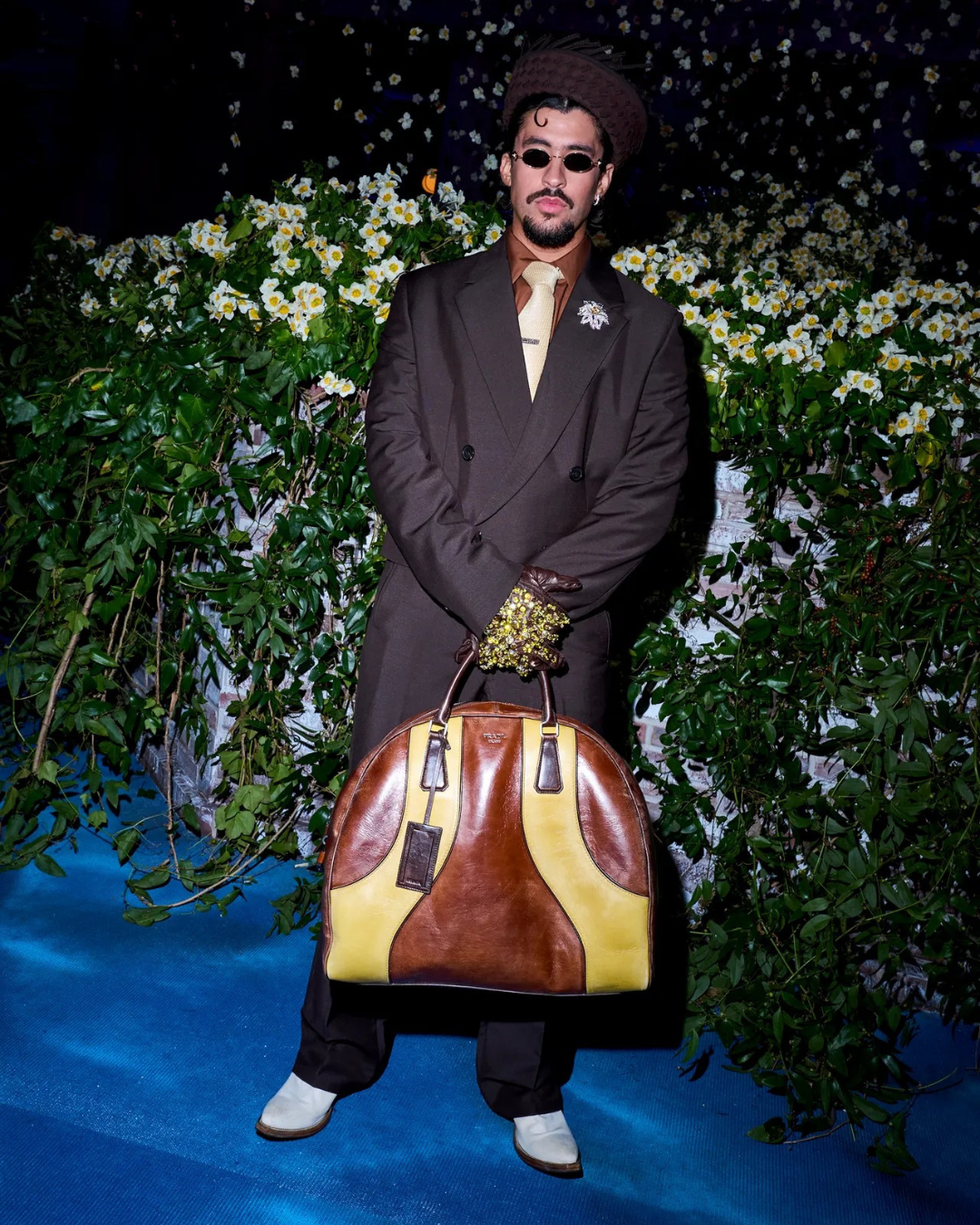
Bad Bunny: The Joy of Unserious Fashion
If fashion in recent years has felt too polished or too serious, Bad Bunny was the antidote. In 2025, he treated the red carpet not as a high-stakes exam to be passed, but as a creative playground to be explored. His approach was loud, joyful, and deliberately unserious—a refreshing contrast to the calculated perfection often seen in celebrity style.
Bad Bunny’s influence lay in his refusal to adhere to traditional gender norms or sartorial rules. He didn't just blur the lines; he erased them. We saw him in structured skirts paired with combat boots, oversized suits in electric neons, and accessories that bordered on the absurd yet felt perfectly at home on him. One memorable look involved a backward-worn suit jacket tailored to expose the back, a playful subversion of classic tailoring that forced us to rethink how we view garments.
This attitude resonated deeply with a generation tired of the "clean girl" aesthetic and curated minimalism. Bad Bunny gave permission to be maximalist, to clash patterns, and to wear colors that don't technically "go" together. He proved that confidence is the only accessory that actually matters. By refusing to dress safely, he reopened the door for personality in high fashion, making the red carpet feel less like a runway and more like a party.
.png)
Jenna Ortega: The Modern Goth Renaissance
While much of the fashion world was busy debating the merits of beige, Jenna Ortega was busy painting it black. In 2025, she single-handedly spearheaded a modern goth renaissance that felt less like a costume and more like a sophisticated rebellion. Her style was a masterclass in dramatic silhouettes, dark textures, and an attitude of undoing.
Ortega’s look was defined by its sharpness. She favored structured corsetry, sheer lace, and sweeping skirts that commanded space. But unlike the goth trends of the past, which often leaned into grunge or camp, Ortega’s interpretation was sleek and high-fashion. She wore archival pieces from avant-garde designers, mixing them with modern tailoring to create a look that was both nostalgic and aggressively current.
What made her a defining face of 2025 was her refusal to seek approval through her wardrobe. Her style challenged the notion that young actresses need to look approachable or sweet. She embraced a darker, more complex visual identity that resonated with fans who felt alienated by the relentless positivity of mainstream influencer culture. Ortega proved that there is power in the shadows, and that fashion can be a form of armor.
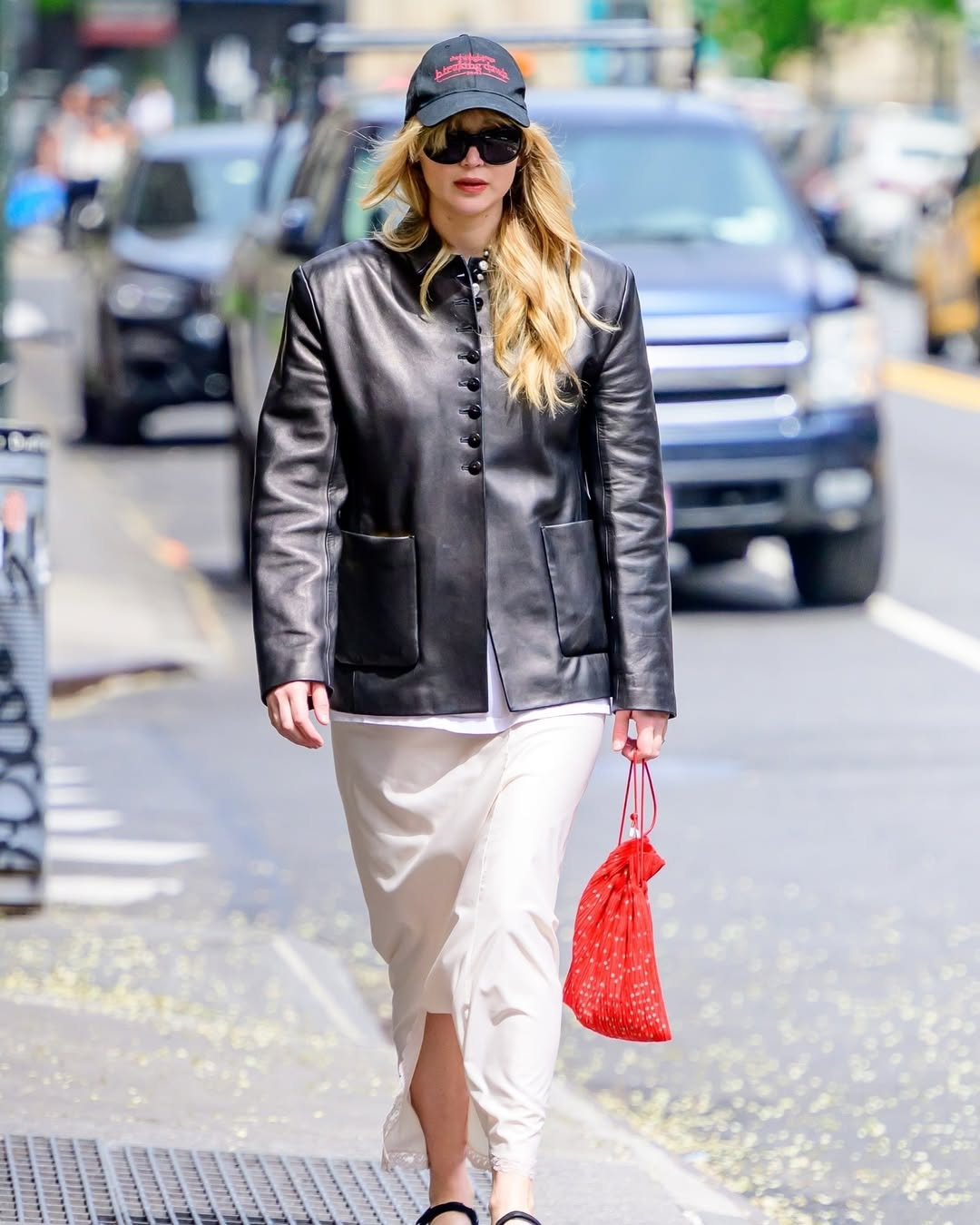
Jennifer Lawrence: The Quiet Luxury Reset
In a year of loud statements, Jennifer Lawrence delivered a whisper that was heard around the world. Her style evolution in 2025 was a quiet but powerful reset, rooted in the philosophy that good fashion does not require spectacle. She became the poster child for a new kind of pragmatism—one that valued quality, fit, and timelessness over viral potential.
Lawrence’s wardrobe was a study in strong basics. We saw her in perfectly cut trench coats, crisp white button-downs, slouchy cashmere sweaters, and trousers that pooled just right at the shoe. There were no logos, no flashy prints, no gimmicks. Just exceptional clothes worn with ease. It was the "Old Money" aesthetic stripped of its pretension and grounded in reality.
This approach resonated deeply with consumers who were experiencing trend fatigue. Lawrence offered a sustainable alternative to the fast-fashion cycle. Her looks suggested that investing in one perfect coat is better than buying ten trendy jackets. She made "boring" clothes feel smart, intentional, and incredibly cool. In 2025, she proved that sometimes, the boldest move you can make is to simply be understated.
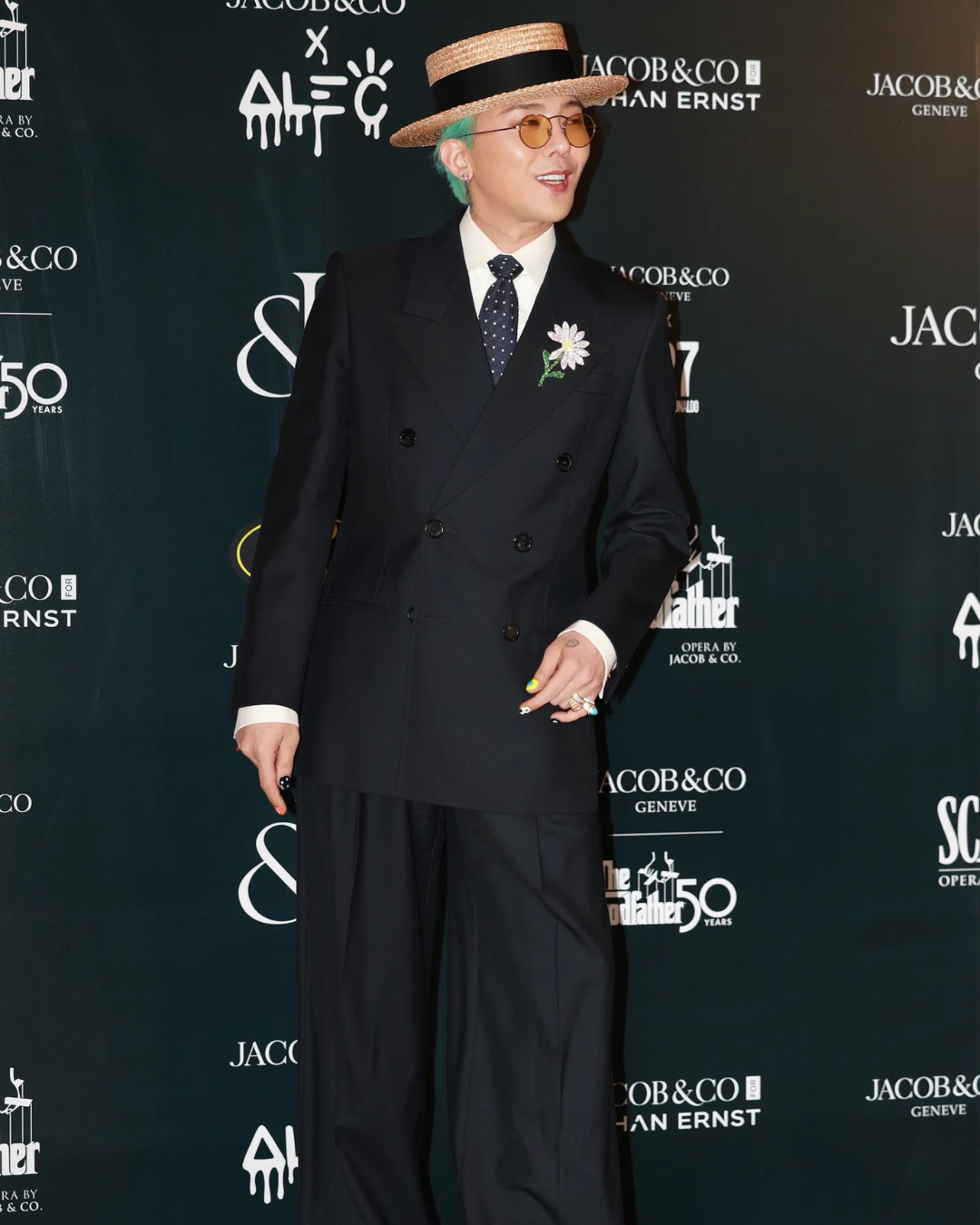
G-Dragon: The Authenticity of Archive
To talk about G-Dragon in 2025 is to talk about the concept of "personal style" in its purest form. While many celebrities look like they are wearing a costume selected by a team, G-Dragon looked like he was wearing his life. His outfits were dense with detail—scarves, pearls, custom pins, hand-painted shoes, and layered jewelry that felt collected over decades rather than sourced for a single event.
G-Dragon’s influence in 2025 was a reminder that true style cannot be bought; it must be cultivated. He dressed without explanation, mixing high luxury with streetwear and vintage in a way that defied categorization. He didn't follow the rules of gender, season, or occasion. He simply wore what felt right in the moment.
This level of authenticity made him a global icon, transcending the boundaries of K-pop and influencing designers in Paris and Milan. He showed that accessories aren't just decorations; they are artifacts of identity. By layering meaningful items, he turned every outfit into a collage of his personality. In a digital age where everyone starts to look the same, G-Dragon stood out by simply being himself—chaotic, creative, and utterly original.
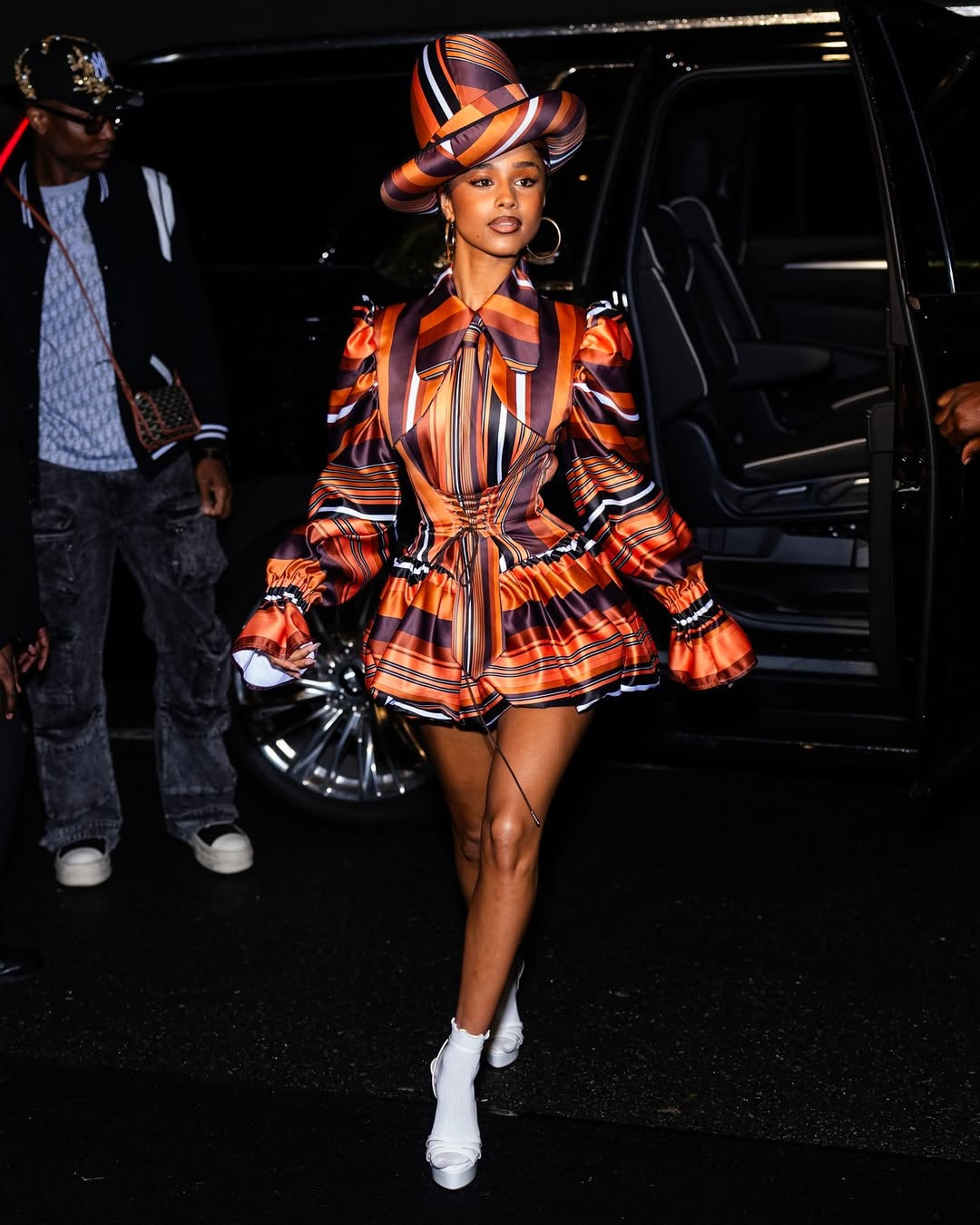
Tyla: Owning the Narrative
Tyla burst onto the scene with a ferocity that demanded attention. In 2025, she wasn't just wearing clothes; she was owning her body and her space. Her style was characterized by a fearless embrace of playful proportions and archival pieces that highlighted her confidence.
We saw her in tiny, cropped silhouettes that referenced early 2000s aesthetics but updated them with a modern, high-fashion edge. She wasn't afraid of skin, but she used it as a design element, creating lines and shapes that felt sculptural rather than just revealing. Tyla championed the "mini" movement—micro skirts, cropped tops, and shrunken knits that played with scale in interesting ways.
Her influence was particularly strong among Gen Z, who saw in her a rejection of the pressure to be perfect. Tyla’s style was fun, flirty, and unapologetic. She reminded us that fashion is a performance, and we are the directors. She brought a kinetic energy to the red carpet, moving and posing in ways that made static images feel alive. In 2025, Tyla proved that presence is the most important part of any outfit.
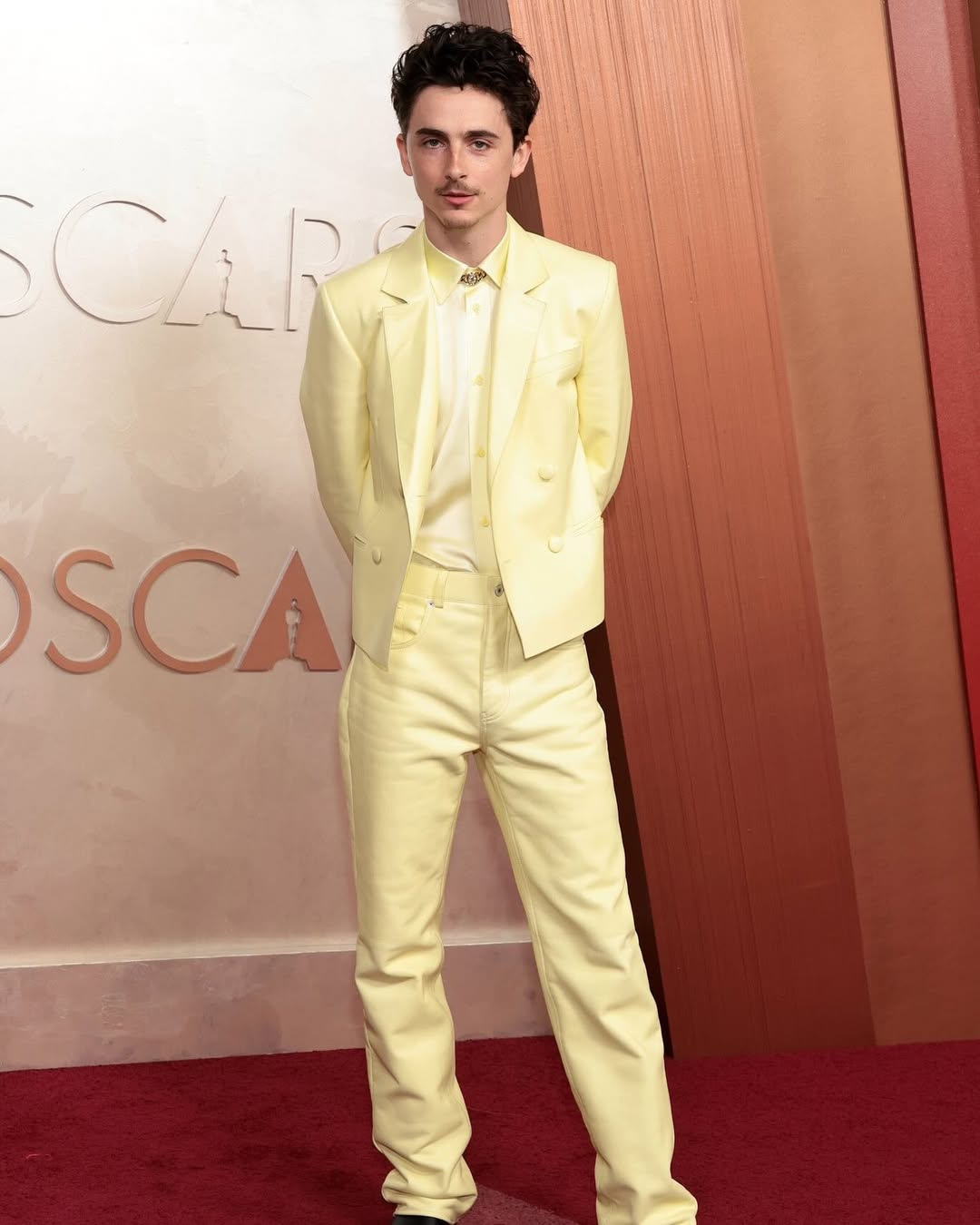
Timothée Chalamet: The Red Carpet Experiment
Timothée Chalamet continued his reign as the prince of avant-garde menswear in 2025, but this year, he pushed the envelope even further. He treated the red carpet not as a formal obligation, but as a creative experiment. The traditional tuxedo was dead to him. In its place, he offered a series of looks that challenged our understanding of what a leading man should look like.
We saw him in backless halters, sequined hoodies, leather jumpsuits, and custom pieces that blurred the line between clothing and art. He played with texture—velvet, silk, metallic mesh—and silhouette, often choosing soft, draping lines over rigid tailoring. His looks worked not because they followed logic, but because they followed instinct.
In 2025, Chalamet proved that taking risks pays off. By consistently choosing the unexpected, he kept the world watching. He made fashion feel exciting again because it stopped being predictable. Every appearance was a question mark, a potential moment of discovery. He reminded the industry that the red carpet is a stage, and he was determined to put on a show.
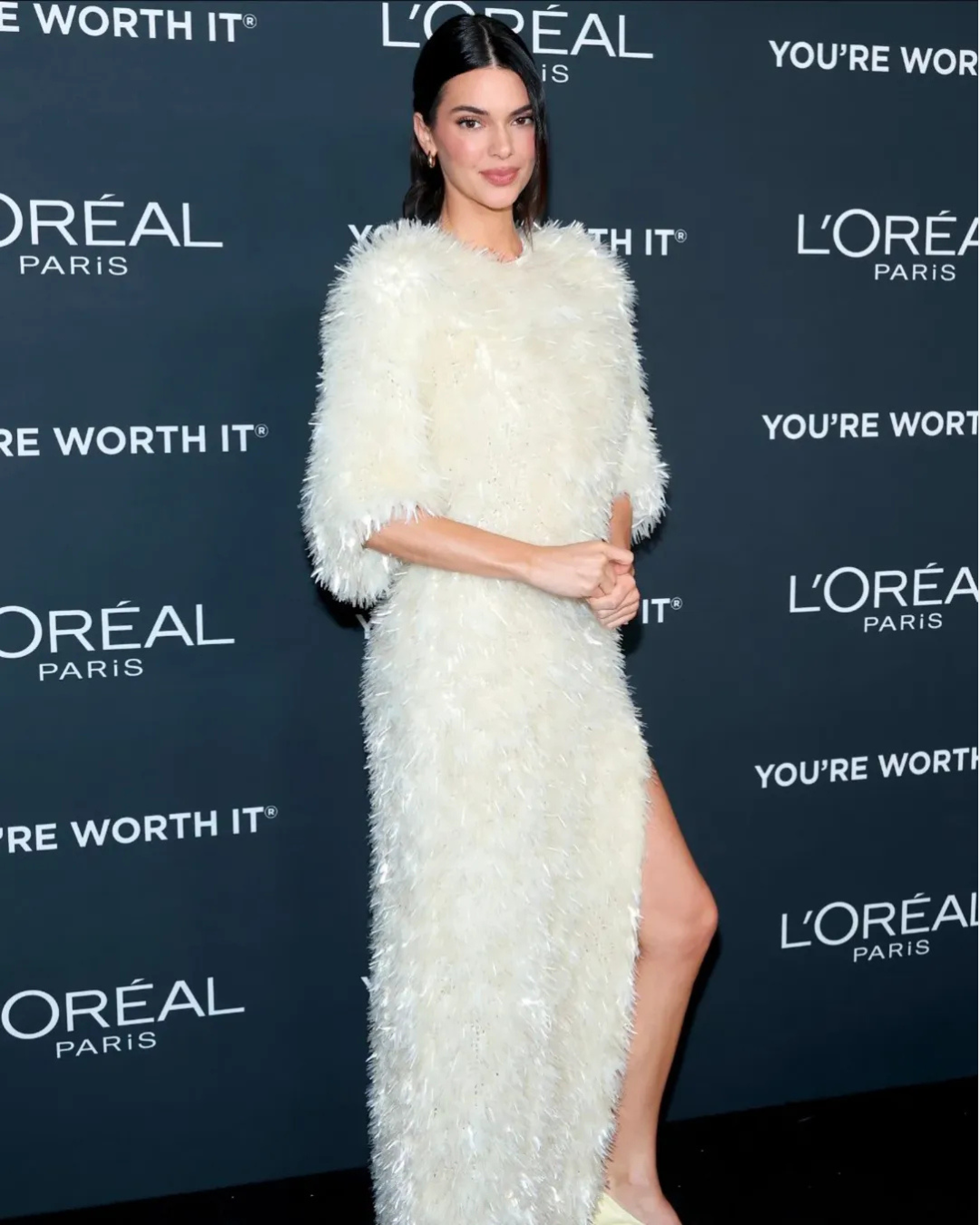
Kendall Jenner: The Art of Subtlety
If Bad Bunny was the shout, Kendall Jenner was the whisper. In 2025, she solidified her status as the queen of "off-duty" style, mastering a balance that many attempted but few achieved. Her look was a careful calibration of tomboy basics and ultra-feminine vintage, creating an aesthetic that felt effortless but deeply deliberate.
Jenna’s style was defined by her loyalty to clean silhouettes and refined brands like The Row, Khaite, and Bottega Veneta. She championed the "long and lean" silhouette—straight-leg jeans, fitted turtlenecks, and long wool coats. But she juxtaposed this minimalism with rare vintage finds, often pulling 1990s runway pieces that added a layer of fashion history to her modern wardrobe.
In 2025, Jenner showed that consistency is a form of style. She didn't jump on every micro-trend. She stuck to a palette and a silhouette that worked for her, refining it over time. This discipline made her a trusted reference point. She represented a calm center in the chaotic storm of fashion, proving that sometimes, the most radical thing you can do is simply dress well.
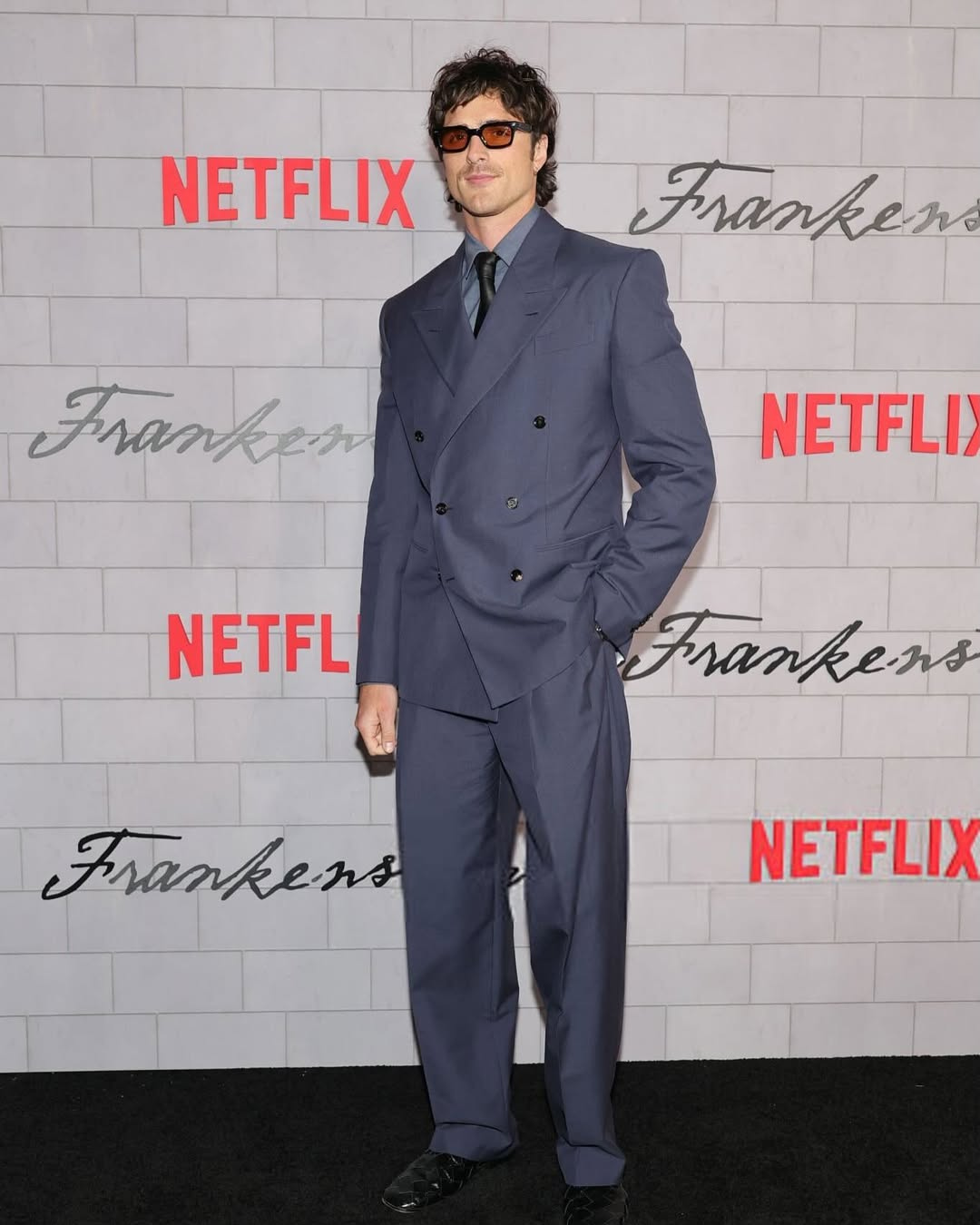
Jacob Elordi: Softening Menswear
Jacob Elordi did for casual menswear what Jennifer Lawrence did for womenswear: he made it look easy. In 2025, he became the face of a softer, more relaxed approach to male dressing. He moved away from the skinny fits and rigid structures of the past decade, embracing oversized silhouettes, vintage denim, and a general air of nonchalance.
His signature accessories—statement luxury handbags—became a cultural talking point. Elordi was frequently photographed carrying woven leather totes, colorful crossbodies, and structured camera bags, normalizing the "murse" in a way that felt organic rather than forced. It was practical, it was stylish, and it challenged traditional notions of masculinity without making a big deal out of it.
His style was rooted in nostalgia. He channeled the easy cool of 90s icons like Brad Pitt and River Phoenix but updated it for the modern eye. Relaxed tailoring, loafers with white socks, and worn-in baseball caps were his staples. He looked like he got dressed in the dark, but the result was always impeccable.
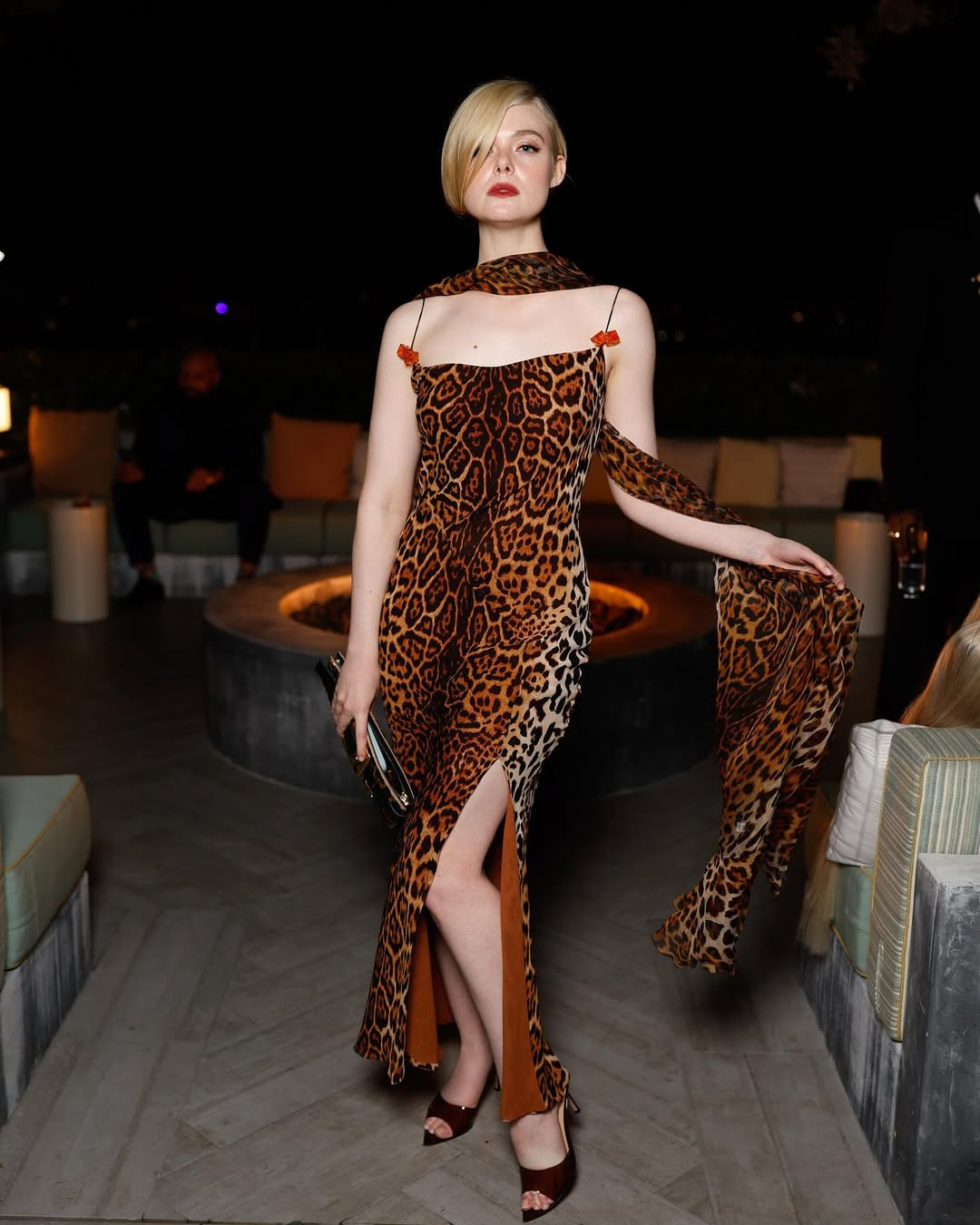
Elle Fanning: The Romantic Intellectual
Elle Fanning has always been a darling of the fashion world, but in 2025, she stepped into a new role: the romantic intellectual. Her style was not just pretty; it was smart. She consistently supported new creative directors, emerging visions, and thoughtful storytelling, using her platform to highlight the artistry of fashion.
Fanning’s looks were characterized by an ethereal, dreamlike quality. She favored structured ballgowns, delicate embroidery, and soft pastels, but she always added a twist. A classic silhouette might be rendered in a futuristic fabric; a princess dress might be styled with messy hair and minimal makeup. She balanced the fantasy of Hollywood with a modern, sharp edge.
Her impact was in her curation. She didn't just wear clothes; she wore ideas. She was often the first to wear a debut collection from a new creative director, signaling her deep understanding of the industry's movements. Her style felt researched and respected.
In 2025, Fanning represented the joy of dressing up. She reminded us that fashion is a form of escapism and storytelling. She didn't shy away from glamour; she leaned into it, but on her own terms. Her style was a celebration of femininity in all its complexity—soft but strong, classic but forward-looking. She was the face of fashion intelligence, proving that you can be a serious actor and a serious fashion plate simultaneously.
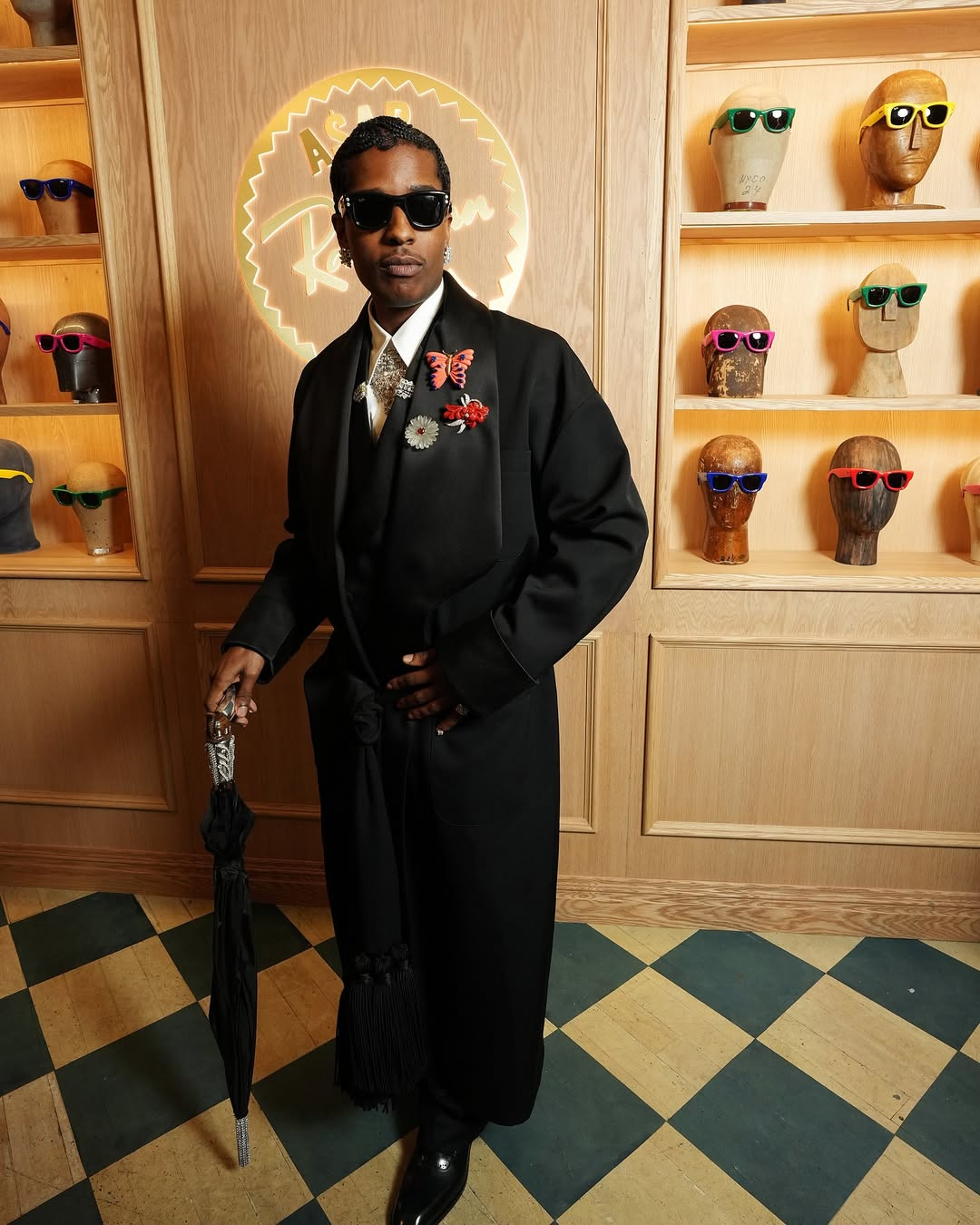
A$AP Rocky: The Authority of Attitude
Finally, no list of 2025's defining faces would be complete without A$AP Rocky. He continued to be the ultimate bridge between luxury and street, bringing an unparalleled authority to modern menswear. His style was sharp, specific, and laden with attitude.
In 2025, Rocky championed the "suit and tie" revival but remixed it for a new generation. We saw him in tweed blazers paired with leather pants, skinny ties worn with denim shirts, and loafers styled with athletic socks. He played with the codes of corporate dressing, subverting them to create something rebellious and cool.
His influence was about confidence. Rocky wears clothes with a swagger that is impossible to replicate. He mixes patterns and textures that shouldn't work—plaid on plaid, pearls with tracksuits—and makes them look cohesive through sheer force of will. He is the embodiment of the "fashion killa" ethos: dressing well is a sport, and he is winning.
Rocky mattered in 2025 because he provided clarity. In a confusing landscape of menswear trends, he offered a distinct point of view. He showed that you can respect tradition (tailoring, ties, leather shoes) while still breaking all the rules. He delivered leadership in style, reminding us that the best outfits are the ones that feel like an extension of the person wearing them.
Why These Faces Mattered
When we look back at 2025, we won't just remember the clothes. We will remember the people who wore them.
These ten individuals—Bad Bunny, Jenna Ortega, Jennifer Lawrence, G-Dragon, Tyla, Timothée Chalamet, Kendall Jenner, Jacob Elordi, Elle Fanning, and A$AP Rocky—were not just well-dressed celebrities. They were architects of culture. They didn't just model trends; they metabolized them, turning fabric and thread into statements about identity, gender, power, and joy.
They mattered because they brought humanity back to an industry that often feels robotic. In a world of algorithmic recommendations and fast-fashion churn, they offered something slower and more substantial: personal style. They showed us that fashion is not a dictation from above, but a conversation.
They reminded us that the most stylish thing a person can be is themselves. They didn't follow fashion. They shaped it. And in doing so, they gave the rest of us permission to do the same.
In 2025, the face of fashion was not a logo. It was a person. And that made all the difference.


.png)