The first week of January 2026 wasn't just a calendar turn; it was a statement of intent. While the rest of the world was slowly shaking off the holiday haze, the fashion and luxury sectors were already redrawing the map. It wasn't about the noise of a new collection dropping or a viral TikTok trend flickering into existence for fifteen minutes. It was about structural shifts. It was about power—who holds it, how they wield it, and where they plan to take it over the next twelve months.
From the boardrooms of New York retail giants to the operational hubs of Parisian ateliers, the industry moved with calculated precision. We saw the intersection of celebrity influence and high-value collectibles reach new heights. We watched heritage brands pivot away from future-gazing to mine their own pasts for cultural capital. We saw leadership shake-ups that signal a brutal yet necessary adaptation to a changing consumer landscape.
This wasn't a week of fluff. It was a week of strategy.
In this edition of Fashion Radar, we dissect the signals beneath the noise. We explore why a specific watch on a rapper's wrist matters more than a runway show, why a 130-year-old trunk maker is looking backward to move forward, and how the platforms we use to discover style are fundamentally changing their algorithms to capture the elusive attention of Gen Z.
Buckle up. 2026 is starting fast.
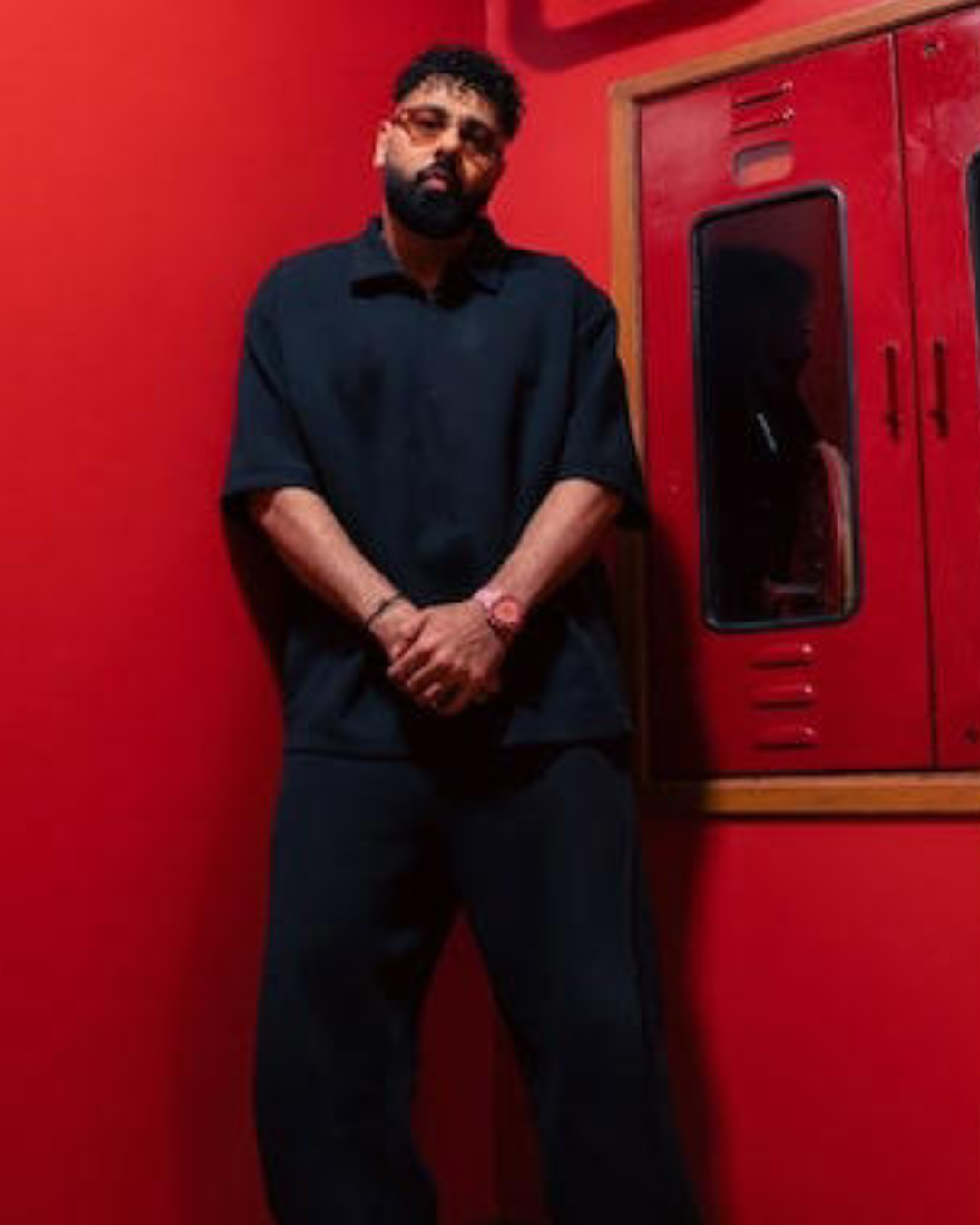
The Intersection of Pop Culture and Ultra-Luxury: Badshah and the Rolex Barbie Daytona
Let’s start with the flashpoint that lit up social feeds and serious collector forums alike. Indian rapper Badshah made headlines not for a new track, but for a wrist check. He became the first Indian to own the Rolex ‘Barbie’ Daytona, a timepiece so rare it barely exists in the wild.
At first glance, this is just a rich celebrity buying an expensive toy. But look closer, and you see the perfect crystallization of modern luxury’s new hierarchy. The watch—a customization by Artisans de Genève, not an off-the-shelf Rolex reference—is limited to ten pieces globally. It features a pink sapphire bezel and skeletonized dial that screams audacity.
Badshah’s move highlights the collapsing wall between "pop culture figure" and "serious collector." It legitimizes the Indian market as a powerhouse for high-horology, a sector previously dominated by collectors in Europe, the US, and East Asia. By securing one of only ten pieces, he isn't just wearing a watch; he is signaling that regional icons now compete on the global stage of high-stakes collecting.
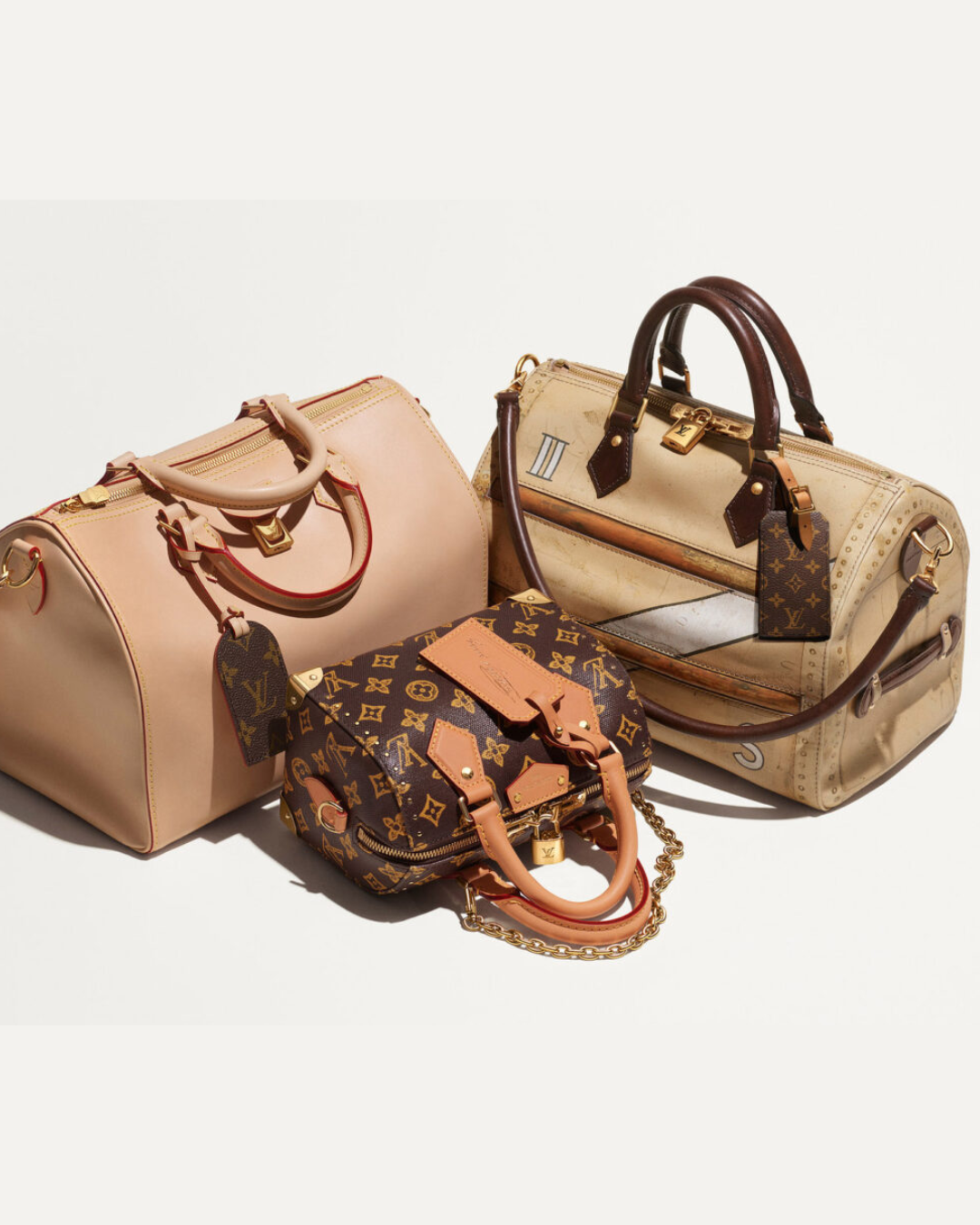
Heritage as the New Hype: Louis Vuitton’s 130-Year Pivot
While the watch world looked at customization, Louis Vuitton looked at its archives. The crown jewel of LVMH marked its 130th anniversary this week, but they didn’t do it by launching a futuristic metaverse campaign or a sci-fi sneaker. Instead, they turned the lights back on their history, specifically spotlighting their connection with Indian maharajas.
This is a masterclass in brand equity management. In an era where "newness" is often manufactured weekly, heritage provides a grounding force that cannot be faked. Louis Vuitton is reminding the world—and specifically the booming Indian luxury market—that they were there first. They aren't just selling canvas; they are selling a century of relationships with royalty.
It is a subtle, intelligent play. It moves the brand away from the "hypebeast" energy of recent years and back toward the "savoir-faire" narrative that justifies price increases in a recessionary environment. It tells us that in 2026, the most forward-thinking brands will be the ones that know how to leverage their past.
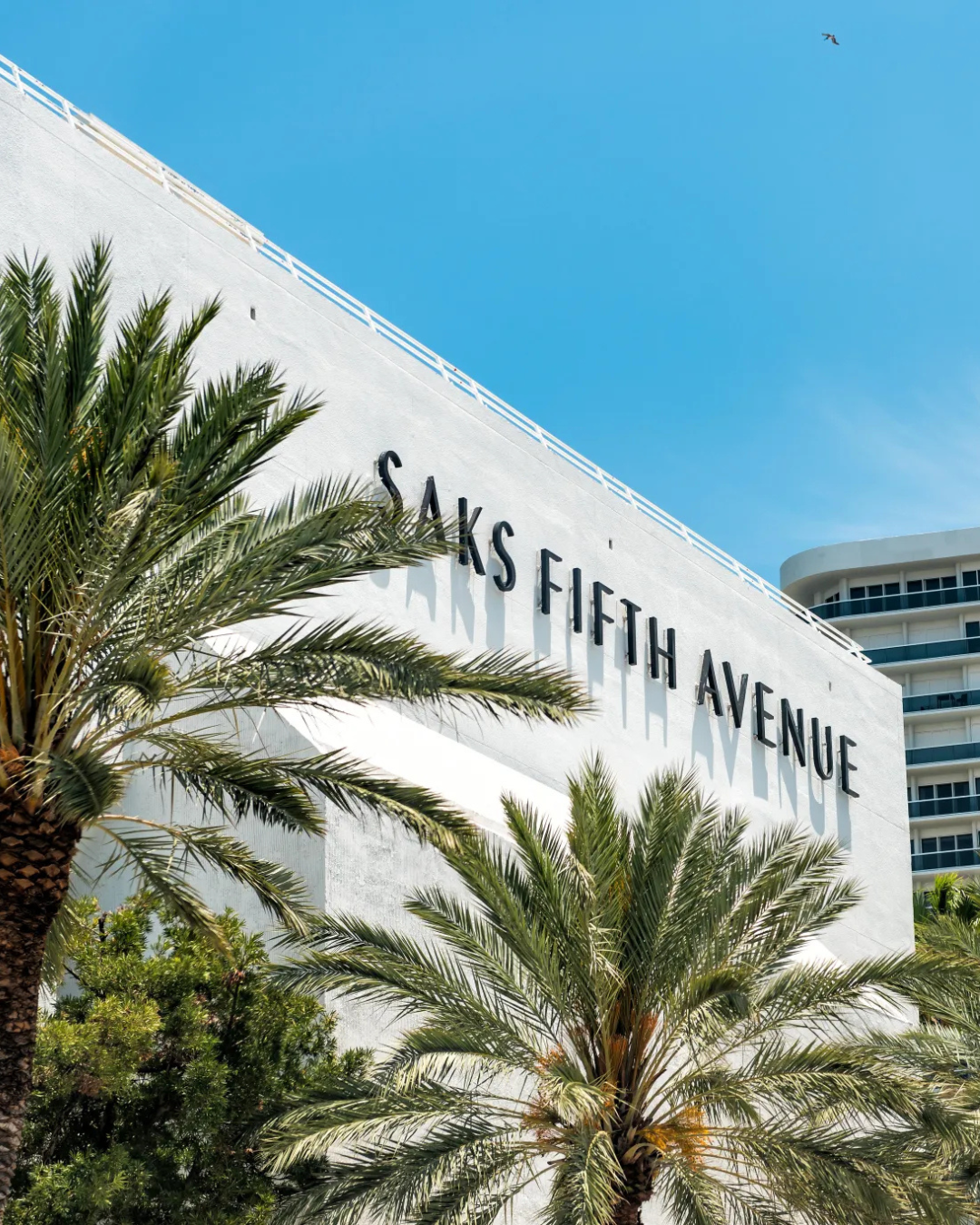
The Boardroom Shuffle: Saks Global and the Retail Reckoning
If Vuitton was about romance, Saks Global was about reality. The news that CEO Marc Metrick is stepping down, with Executive Chairman Richard Baker taking the reins, sent ripples through the retail sector.
This isn't just a changing of the guard; it’s a symptom of the immense pressure facing luxury retail platforms. The department store model is under siege. E-commerce giants, direct-to-consumer brand strategies, and a volatile economy have created a perfect storm.
Metrick was a merchant at heart, a man who understood the floor. Baker is a dealmaker, a real estate mogul, a strategist. His takeover signals that Saks Global—which now includes the Neiman Marcus Group assets—is moving into a phase of aggressive restructuring and financial engineering.
The era of the "merchant prince" CEO is fading. The current climate demands leaders who can navigate complex mergers, manage real estate portfolios, and streamline operations ruthlessly. The romantic idea of the department store as a temple of discovery is being replaced by the department store as a highly efficient logistics and data hub.
The Discovery Engine: Pinterest’s Gen Z Pivot
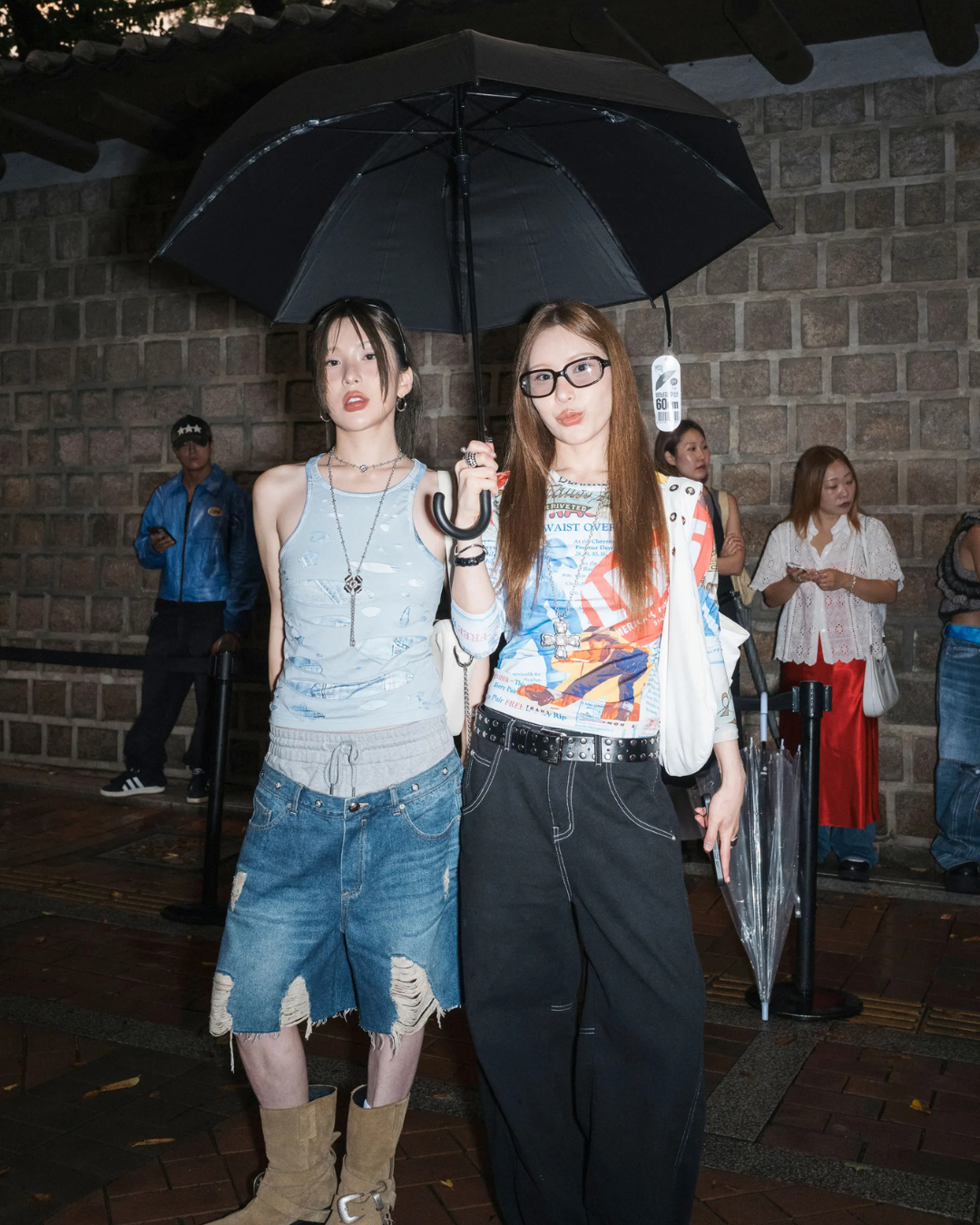
While Saks tries to save the physical store, Pinterest is trying to save its relevance. CEO Bill Ready made waves this week with comments about repositioning the platform. The "quiet corner of the internet" is getting a bit louder. The goal? To stop being just a digital scrapbook for millennial weddings and start being a cultural engine for Gen Z.
This is a critical pivot. For years, Pinterest was passive. You went there to dream, to pin recipes you’d never cook and outfits you’d never buy. But Gen Z doesn't want to just dream; they want to do. They want actionable discovery. They want the aesthetic to lead immediately to the acquisition or the experience.
Ready’s strategy involves moving from passive inspiration to "active discovery." This means better algorithms that understand not just what an image is, but what it means culturally. It means shoppable integration that feels seamless, not spammy. It means acknowledging that for a 20-year-old, a "mood board" isn't a static collage; it's a dynamic feed of their evolving identity.
It suggests that in 2026, the platforms that win won't be the ones with the most addictive content, but the ones that bridge the gap between "I like this" and "I own this" with the least amount of friction.
Regional Power Plays: New Balance and Janhvi Kapoor
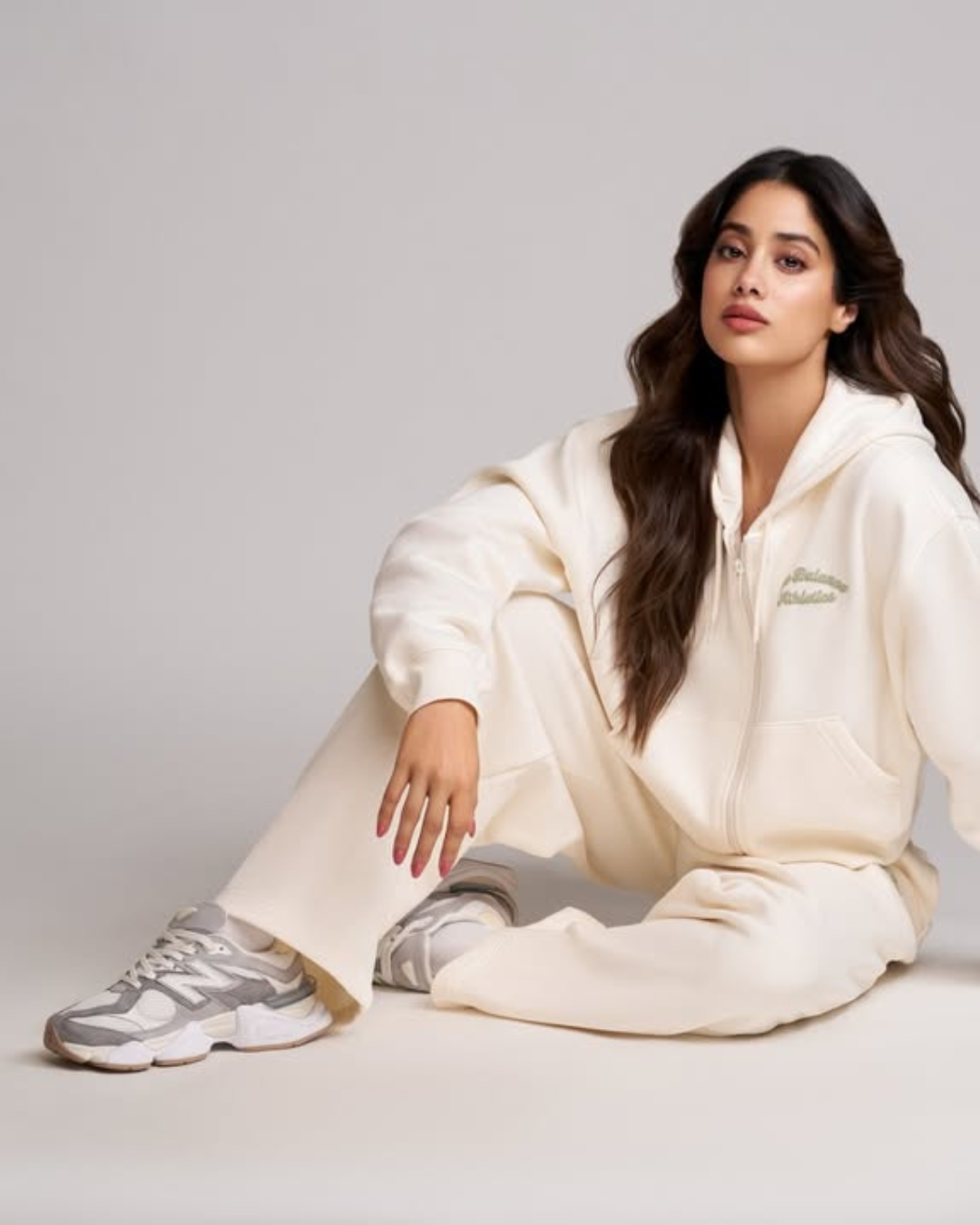
The sneaker wars are usually fought with athletes. Nike has the NBA; Adidas has European soccer. But New Balance just signed Bollywood star Janhvi Kapoor as its first Indian brand ambassador.
This is not a sports play. This is a lifestyle play. And it is a massive signal regarding the importance of the Indian market in the global sneaker hierarchy.
New Balance has spent the last five years transforming itself from the "dad shoe" company into the coolest brand in the room, largely by leveraging niche collaborations (Action Bronson, Teddy Santis). Signing Kapoor is a move to take that cool factor and scale it to a mass audience in the world's most populous country.
Kapoor represents a specific demographic: young, affluent, fashion-conscious, and digitally native. She bridges the gap between high-glamour Bollywood and relatable, athleisure-driven street style. By partnering with her, New Balance is acknowledging that you cannot win India with a one-size-fits-all global campaign. You need local faces that carry cultural weight.

Scaling the Dream: Jacquemus Gets Serious
Finally, we look to Paris, where the darling of the Instagram era, Jacquemus, made a very un-sexy but very important hire. The brand appointed Clarisse Godbillon as Chief Operating Officer (COO).
Why does this matter? Because Jacquemus has reached the dangerous teenage years of a fashion brand. It has massive hype, massive visibility, and a charismatic founder (Simon Porte Jacquemus). But hype doesn't scale. Logistics scale. Supply chains scale.
This is the transition that breaks many designers. They can design the dress, but they can't manage the inventory. They can create the moment, but they can't deliver the customer service. Bringing in a heavy-hitter COO shows that Jacquemus is building the infrastructure to support the dream.
It reflects a broader maturity in the industry. The "fake it 'til you make it" era is over. Investors and customers alike demand operational competence. 2026 will be the year where the brands that survive are the ones that have their back-end in order, not just their front-row. It’s about professionalizing the magic so it doesn't burn out.
The Connecting Thread: Strategy Over Spectacle
When you look at these five stories together, a clear picture of 2026 emerges. It is not a picture painted in neon colors or defined by shocking silhouettes. It is a picture defined by deep strategy.
The industry is tightening. The free money era is gone. The "post anything and it sells" era is gone. We are entering a phase of high-stakes chess. Every move counts. Every hire signals a direction. Every ambassador choice is a calculated risk.
Conclusion: The Year of the "Why"
As we move deeper into January, keep your eyes on the "why."
Why did that brand choose that city for a show? Why did that conglomerate sell that label? Why is that platform changing its interface? The answers to these questions will define the winners and losers of 2026.
The first week of the year has set a frantic, fascinating pace. The industry is awake, alert, and aggressive. It is pivoting, restructuring, and re-imagining itself in real-time.
Fashion is often dismissed as frivolous. But if this week proved anything, it is that fashion is a serious business, a cultural mirror, and a geopolitical indicator all wrapped in silk and leather.
To stay ahead, you need more than just eyes; you need radar. You need to see the signals before they become trends. You need to understand the data before it becomes a headline.
BeSpoke AI Stylist is built for this exact purpose. We don't just help you dress better; we help you understand the world that you are dressing for. We provide the unfiltered insight that strips away the marketing speak and gets to the core of what is actually happening. In a world of noise, we offer the signal.
Stay tuned. The year is just getting started, and if this first week is any indication, it’s going to be a hell of a ride.