
.png)
This week in fashion felt less like a runway and more like a boardroom. Power moves, strategic shifts, and culture-led decisions dominated the conversation, reminding us that the industry’s pulse is now measured in strategy, not just style. Luxury, technology, and capital were all in motion, and the message was clear: staying still is no longer an option. From historic representation to digital experimentation, here is everything that mattered.
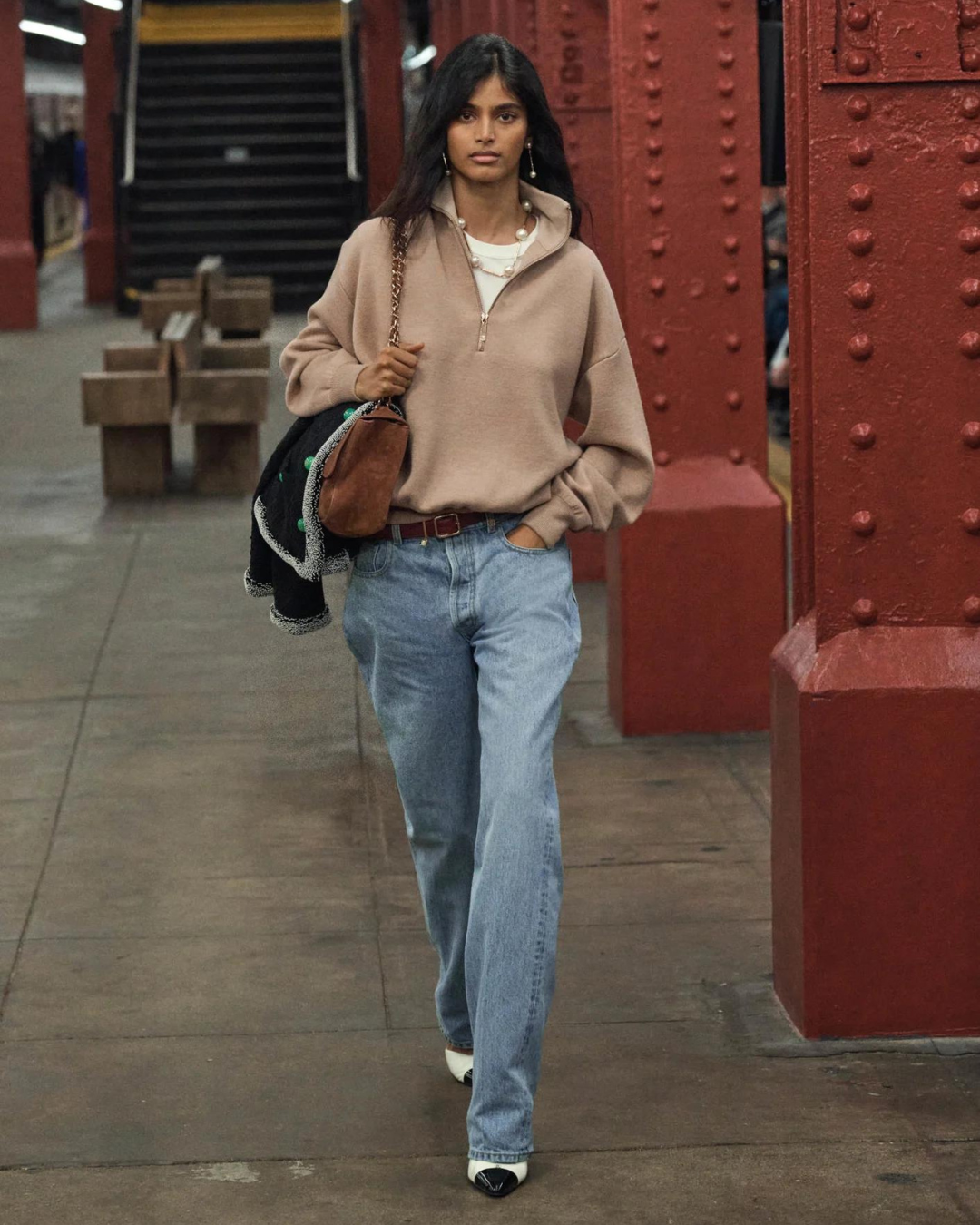
Bhavitha Mandava Makes Chanel History
There are moments in fashion that are loud, built on spectacle. Then there are moments that are quiet, controlled, and deeply significant. Bhavitha Mandava opening the Chanel show was the latter. When the Indian model from Hyderabad stepped onto one of the world’s most powerful runways, she did something no one from her country had ever done before. It was a move that spoke of evolution, not revolution.
Chanel, a house built on an unshakeable legacy, does not need to shout. Its power is in its precision. In selecting Mandava for this pivotal role, the brand made a statement that resonated far beyond the front row, acknowledging that the definition of luxury and beauty has expanded. This was not just a personal milestone; it was a cultural one.
Her journey from Hyderabad to Paris underscores a new pathway to success. It was not built on social media hype but on professionalism, persistence, and undeniable presence. In a world obsessed with overnight sensations, her story is a powerful reminder that talent and hard work remain the ultimate currency.
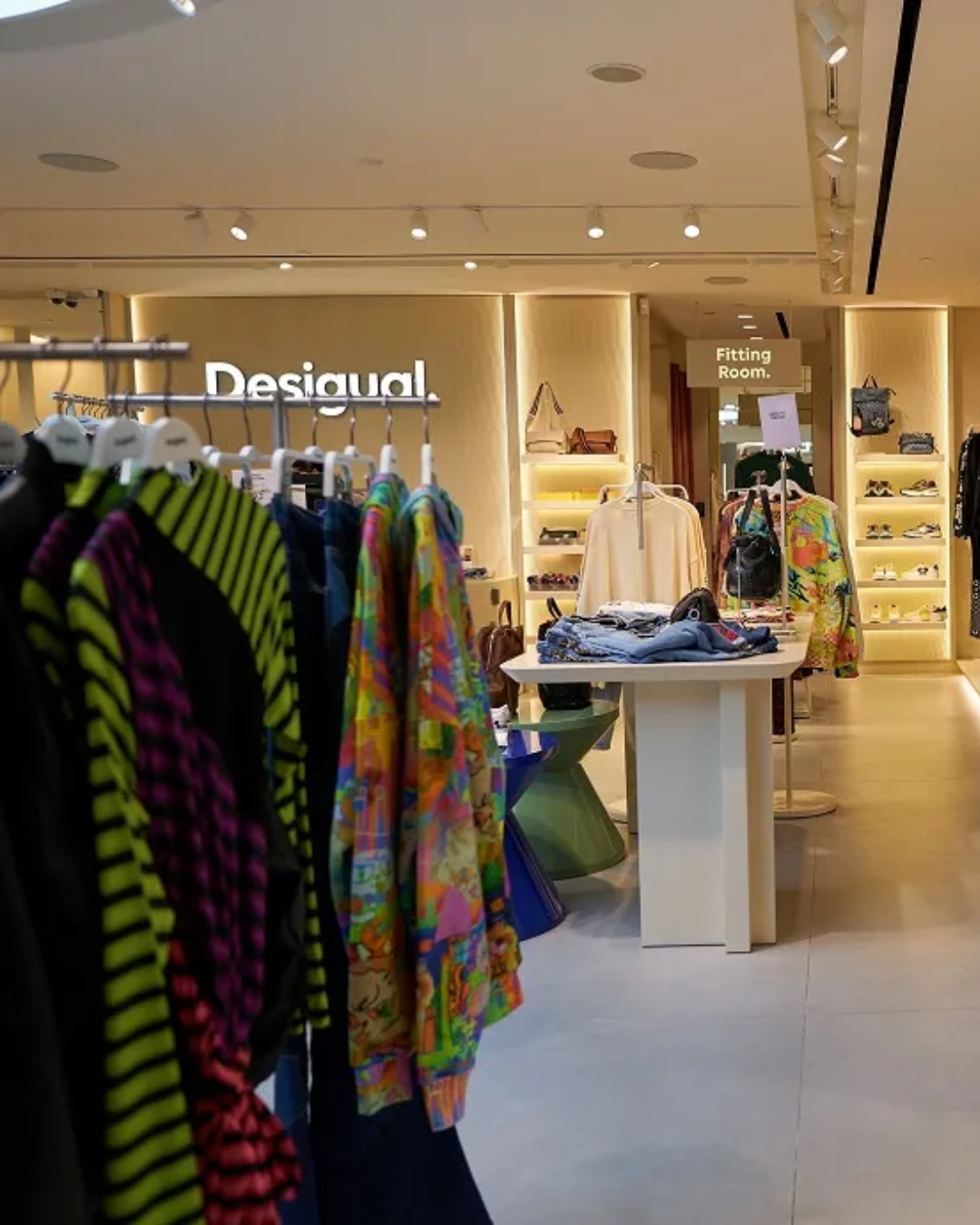
Desigual Officially Enters India
While Chanel made a quiet statement, Spanish brand Desigual made a loud and unapologetic entrance into the Indian market. Through a strategic partnership with e-commerce giant Myntra, Desigual has officially landed, bringing its signature bold prints, vibrant colors, and unapologetic maximalism directly to Indian consumers.
Desigual’s brand DNA aligns perfectly with this new energy. Its design philosophy is built on the idea of being different. By entering India through Myntra, one of the country's leading fashion destinations, the brand gains immediate access to a massive and engaged audience that is already looking for what it has to offer.
From a business perspective, this is a smart, asset-light strategy. Partnering with an established e-commerce platform allows Desigual to test the waters and build a customer base without the heavy investment required for brick-and-mortar stores. It is a flexible and scalable approach that reflects the modern realities of global retail.
Kering’s Quietly Strategic Move
In the heart of New York City, luxury conglomerate Kering made a move that was as strategic as it was subtle. The parent company of Gucci and Saint Laurent quietly sold a sixty-percent stake in one of its prime luxury properties on Fifth Avenue. The underlying message was a masterclass in corporate strategy.
In the past, owning flagship buildings in the world’s most prestigious shopping districts was the ultimate power play. These architectural monoliths were more than just stores; they were temples of branding. Kering’s decision reflects a broader industry shift toward agility over permanence.
This move signals that modern luxury groups are no longer trying to impress with buildings. They are impressing with decisions. The value is not in the ownership of the asset, but in the intelligent management of the portfolio. In an era of economic uncertainty, being tied to massive real estate holdings can be a liability.
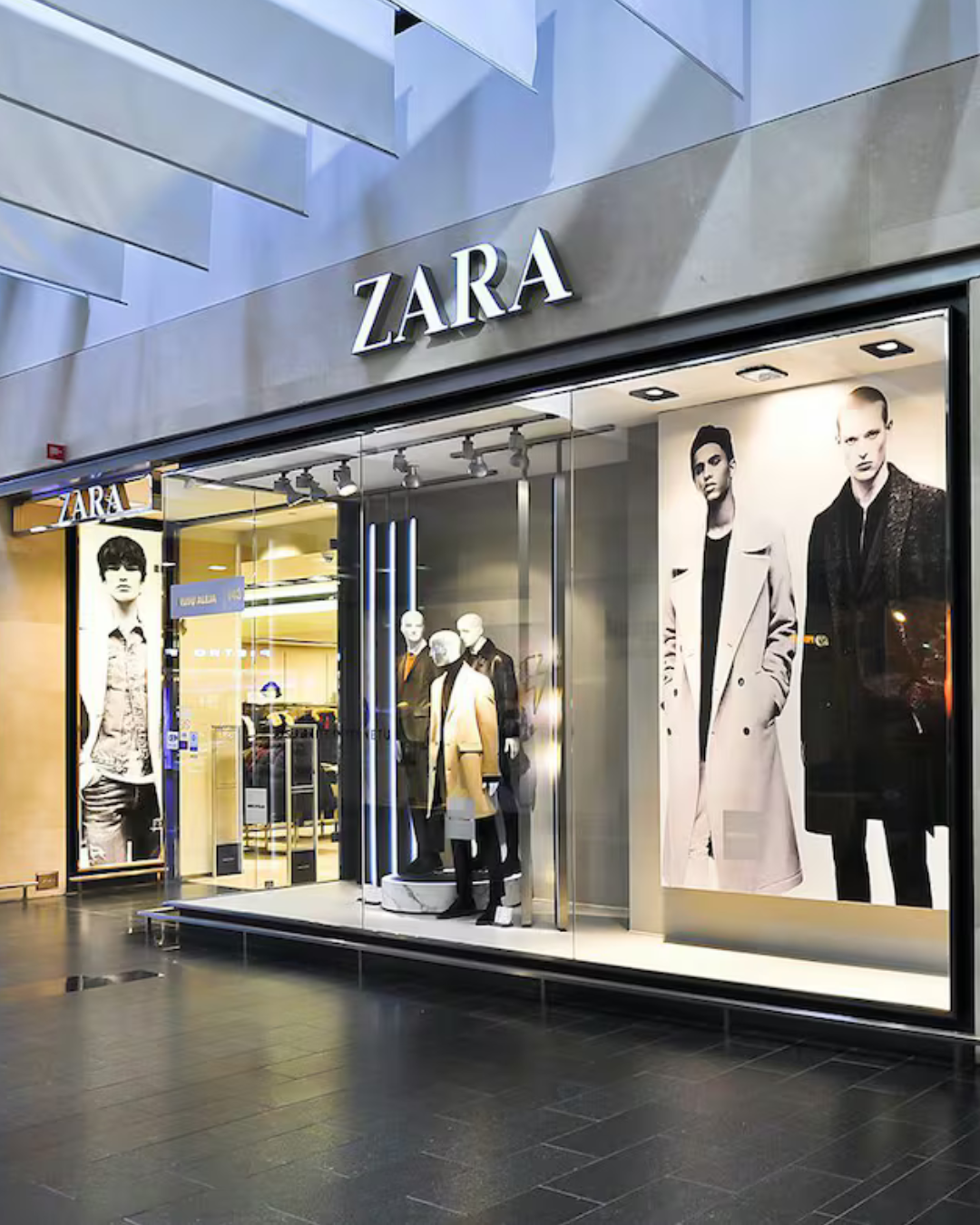
Zara Enters the AI Styling Era
While luxury groups reshuffle physical assets, fast fashion is busy reshaping its digital ones. This week, Zara signaled a major shift by using artificial intelligence to restyle real models. In this new workflow, a model is photographed, and then AI generates countless variations of that image, swapping out clothes, colors, and styles without a new photoshoot.
The faces stay the same, but the looks change faster. Content becomes infinitely scalable, adaptable, and digital-first. This is not about replacing models; it is about accelerating storytelling.
This move marks the moment when AI in fashion transitions from a conceptual buzzword to a practical tool. Fashion imagery has officially stepped into its next phase, and it is no surprise that a fast-fashion giant is leading the charge.
It is a collaboration between human and machine. Zara’s business model is built on speed and responsiveness, and this technology allows them to align their visual marketing with the rapid pace of their production cycle.
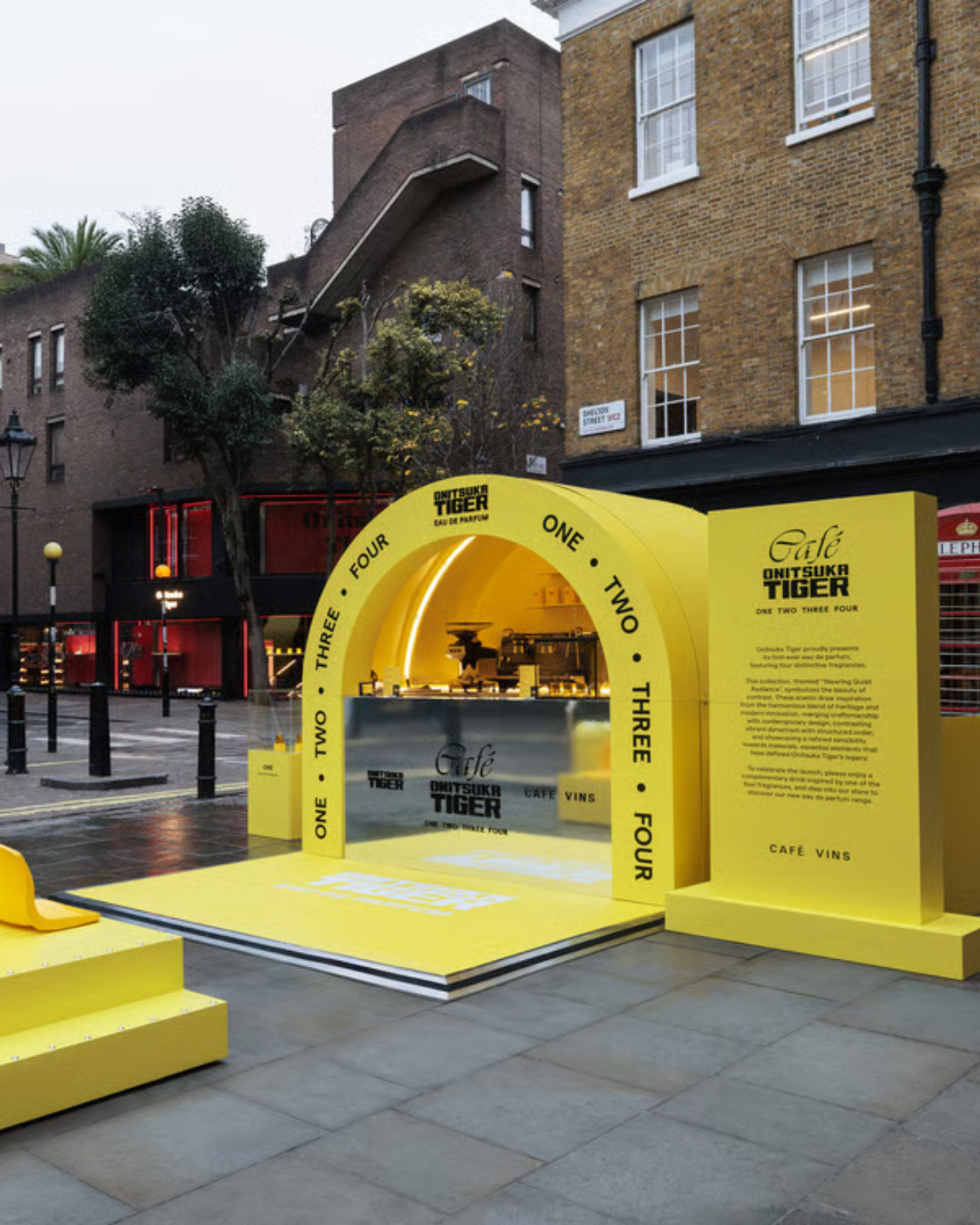
Onitsuka Tiger Chooses Experience
In a world saturated with digital ads, Japanese brand Onitsuka Tiger took a different approach to launch its first fragrance line. Instead of a traditional campaign, the brand opened a pop-up café in Bangkok. The message was clear: products are no longer enough. Brands are selling worlds, not just items.
The "Tiger Fragrance Bar" was an immersive experience designed to bring the scents to life. Each of the six fragrances was paired with a custom mocktail. Visitors could smell the fragrance and taste its corresponding drink, experiencing the brand’s aesthetic in a multi-sensory environment.
This strategy reflects a deep understanding of the modern consumer. People, especially younger generations, are craving connection and experience. They are tired of being sold to; they want to be engaged.
Brands that want to cut through the noise must offer value beyond the product itself. Onitsuka Tiger’s launch is a perfect example of this new paradigm. It proves that the most powerful marketing is not about telling people what to think, but about giving them something to feel.
Conclusion
This week in fashion was a masterclass in strategy, innovation, and cultural evolution. From Chanel’s quiet yet powerful statement on representation to Zara’s bold leap into AI-driven styling, the industry is proving that staying ahead requires more than just creativity—it demands calculated moves and forward-thinking. Whether it’s redefining luxury, embracing technology, or creating immersive experiences, these shifts highlight a future where fashion is as much about intelligence as it is about aesthetics. As the industry continues to evolve, one thing is clear: the smartest moves are happening far beyond the runway.


.png)