
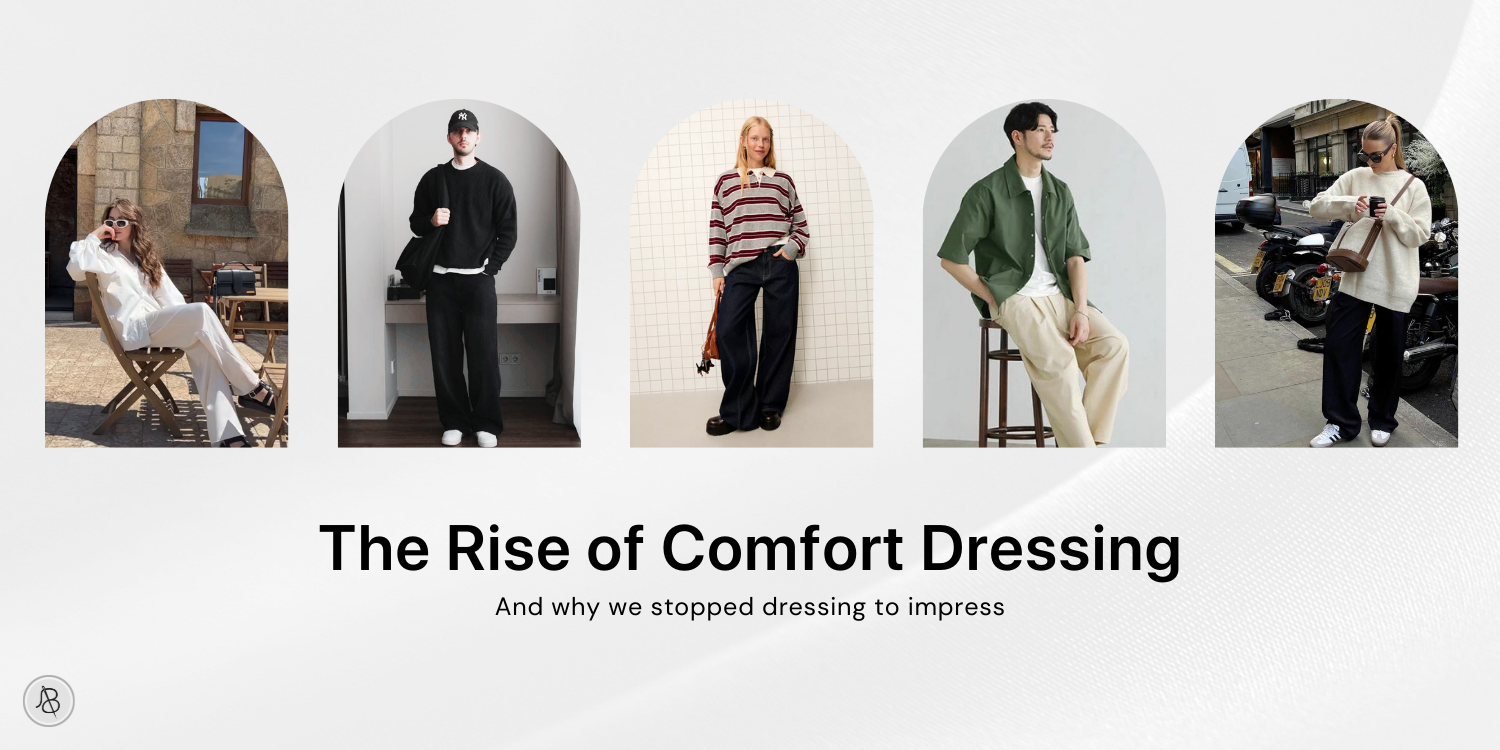
At its core, this shift is not about carelessness or giving up on style. It represents fashion choosing ease, softness, and fluid movement over the rigid silhouettes and outdated expectations that once defined what it meant to be "well-dressed." It is clothing that works with the body, not against it. Less restriction, less performance, and far more intention. This evolution reflects a deep cultural and psychological change, a collective move toward authenticity and self-regard. It is the story of how we stopped dressing for others and started dressing for ourselves.
The narrative of comfort is one of slow-burning rebellion. It is about the subtle but persistent ways individuals prioritized their own well-being over external validation. It started on city streets and culminated in the collections of legacy luxury houses. This transformation was not a fleeting trend but a fundamental rewiring of our relationship with clothes. It is a story worth telling because it is not just about fashion—it is about how we choose to live.
The First Crack: When Streetwear Met Luxury
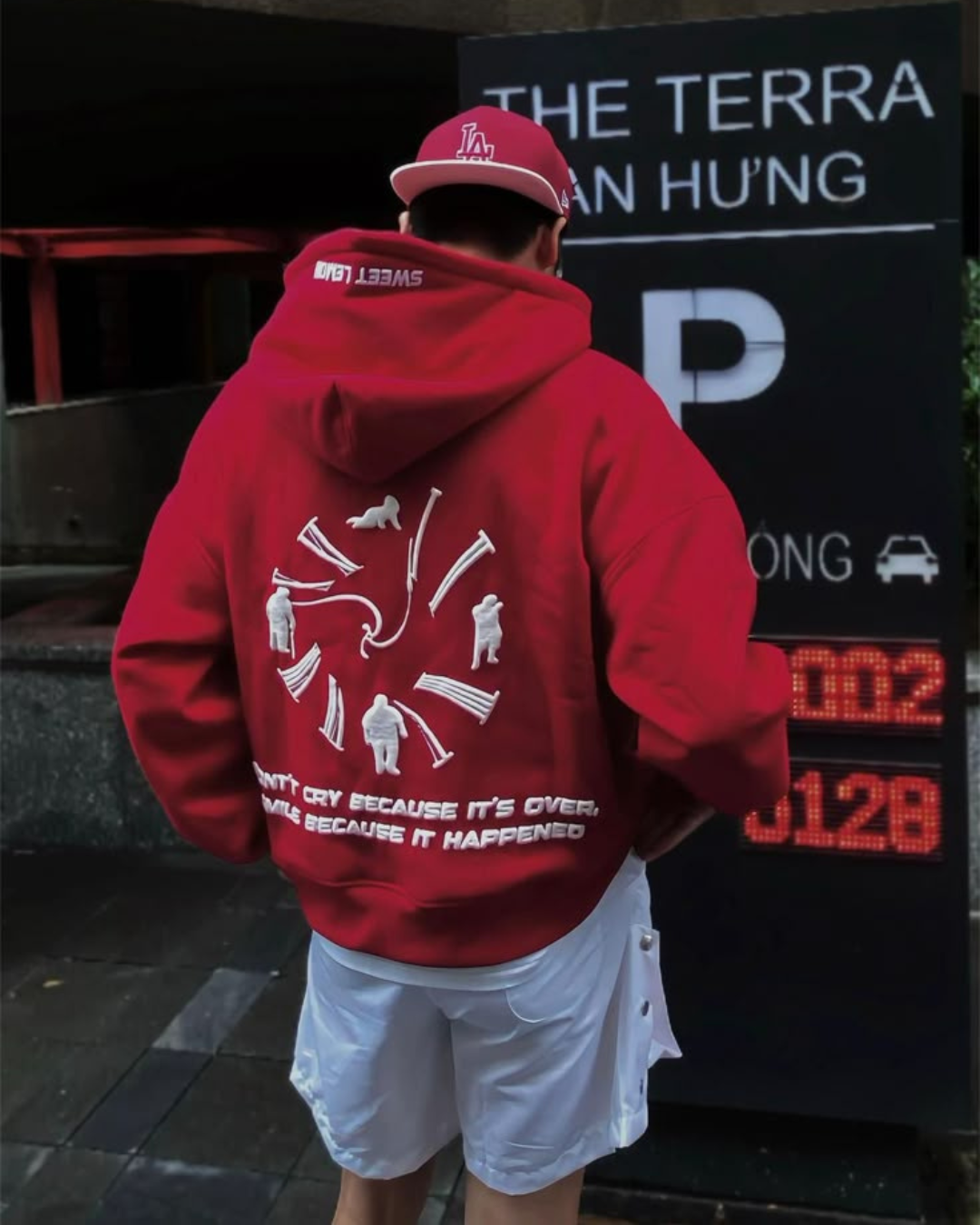
The first visible crack in the armor of traditional fashion appeared when streetwear crossed the velvet rope into the exclusive world of luxury. For decades, high fashion operated on a strict hierarchy. Elegance was defined by structured tailoring, delicate fabrics, and, almost without exception, impractical footwear. Then, the script flipped. Sneakers, once relegated to gyms and suburban pavements, began walking onto runways that had been ruled by towering heels. The humble hoodie, a symbol of utility and counter-culture, entered boutiques and spaces once reserved for bespoke suiting.
This crossover was more than just an aesthetic experiment; it was a seismic cultural shift. Streetwear brought with it a different set of values. It championed authenticity, community, and, above all, comfort. Its origins were rooted in the real-life needs of skaters, musicians, and artists—people whose lives demanded movement and practicality. When luxury brands began to incorporate these elements, they were not just adopting a new look; they were acknowledging a new definition of cool. This was a direct challenge to the long-held belief that polish required discomfort.
The rise of designers like Virgil Abloh at Louis Vuitton and Demna Gvasalia at Balenciaga solidified this new world order. They treated sneakers like objets d'art and hoodies like couture canvases, blurring the lines between high and low culture. Relaxed fits and oversized silhouettes stopped asking for permission and started rewriting the rules of proportion. This streetwear influence was not just a passing fad; it was a Trojan horse. It smuggled the principles of comfort into the fortress of high fashion, slowly and methodically dismantling the old ideas of what constituted luxury. As a result, consumers began to see that style and ease were not mutually exclusive, planting the seed for a much larger revolution to come.

The Great Pause: How Lockdown Cemented a New Reality
The global lockdowns of 2020 did not invent comfort dressing, but they made it permanent. As the world slowed down and daily life shifted inward, our wardrobes followed suit. The lines between work, leisure, and rest became hopelessly blurred. The living room became the office, the kitchen became the conference room, and the social calendar was wiped clean. In this new reality, clothing was no longer selected to impress a room full of people. It was chosen for its ability to provide solace and support through long, uncertain days.
In this environment, comfort stopped being a weekend luxury and became an essential, non-negotiable part of daily survival. Structured blazers, restrictive denim, and high heels felt like relics from a bygone era. They were costumes for a life that no longer existed. Instead, we reached for soft knits, elastic waistbands, and breathable fabrics. Our clothes needed to function for a 10-hour workday at a makeshift desk, a midday walk, and an evening on the sofa. Comfort became the ultimate utility.
This prolonged period of dressing for ourselves had a profound and lasting impact on consumer psychology. People began to realize just how much physical and mental energy they had been expending to perform a certain version of themselves for the outside world. The daily ritual of squeezing into uncomfortable clothes was exposed as a form of self-inflicted stress. Once that awareness set in, there was no going back. The muscle memory of ease had been built. Structured discomfort no longer felt aspirational or powerful; it felt absurd. The true luxury was feeling good in your own skin—and in your own clothes.
The Psychological Shift: From Performance to Preference
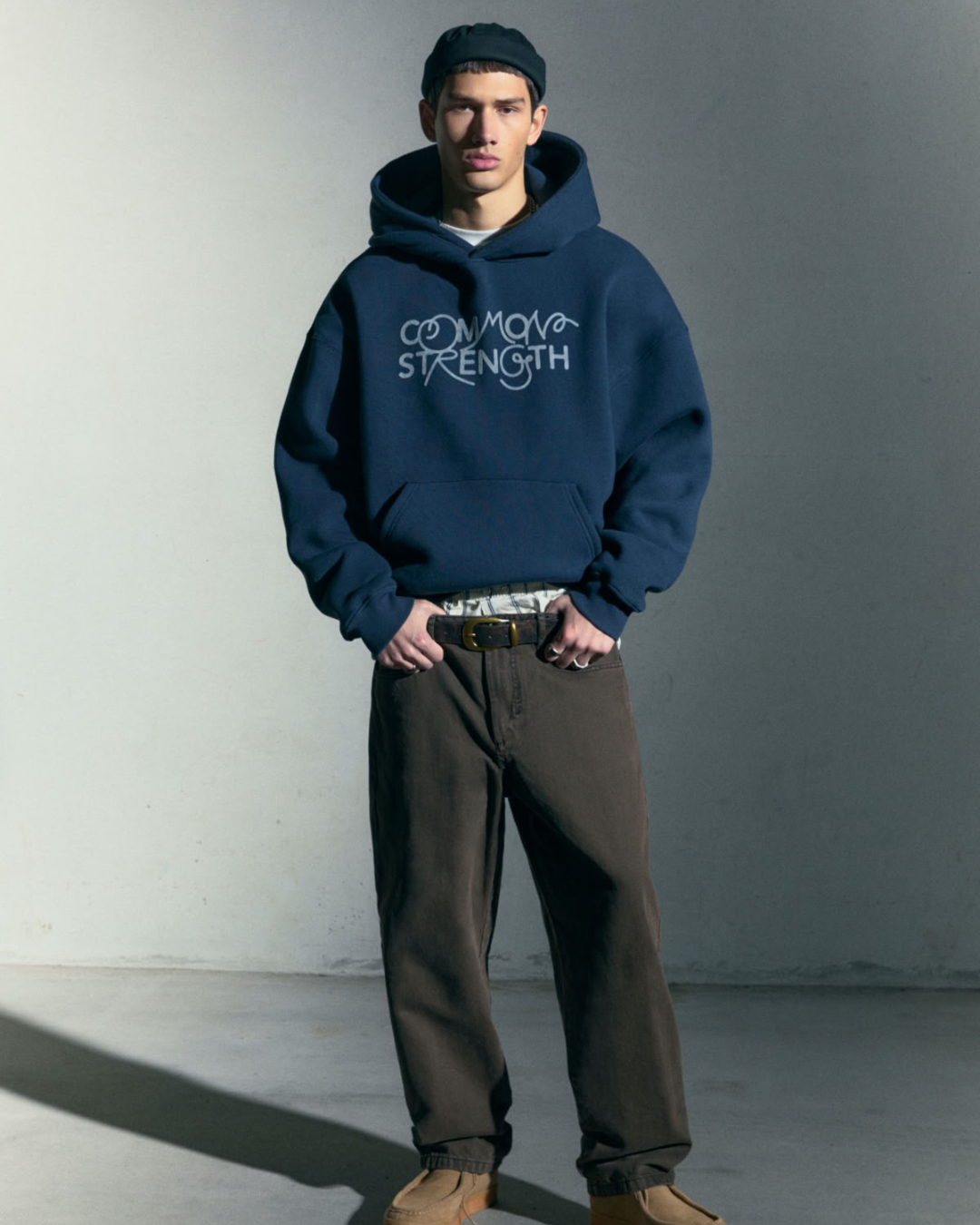
What began as a necessity during lockdown slowly and definitively transformed into a preference. As the world began to open up again, many expected a swift return to the old ways of dressing—a "Roaring Twenties" explosion of glamour and formality. While there was certainly a renewed interest in event dressing, the day-to-day baseline had been permanently reset. People did not want to go back to wearing costumes. They wanted clothes that felt lived-in yet still looked intentional, pieces that could move seamlessly between the different spheres of their lives.
This shift marked a move away from "performance" dressing. For decades, many of us dressed for the roles we were playing: the competent professional, the chic party guest, the polished parent. Our wardrobes were filled with separate uniforms for each act. The new mindset demanded a more integrated approach. People wanted a wardrobe that adapted to their real routines, not one that demanded a different kind of performance for every occasion. This is the essence of modern comfort dressing: versatile, functional pieces that do not sacrifice style.
The industry, after a brief moment of hesitation, began to respond in earnest. The most forward-thinking designers understood that this was not a trend to be waited out but a fundamental change in consumer values. Luxury houses softened their silhouettes. Tailoring became looser and more deconstructed, with unlined blazers and wide-leg trousers replacing sharply-cut suits. Knitwear, once considered a humble basic, gained status, with cashmere sets and elegant merino wool dresses becoming new symbols of sophisticated ease. And sneakers, once the outlier, solidified their position as luxury collectibles, often becoming the most coveted items in a collection. Comfort was no longer positioned as a casual or secondary category; it became central to the very definition of modern luxury.
Redefining Elegance: Softness as the New Power
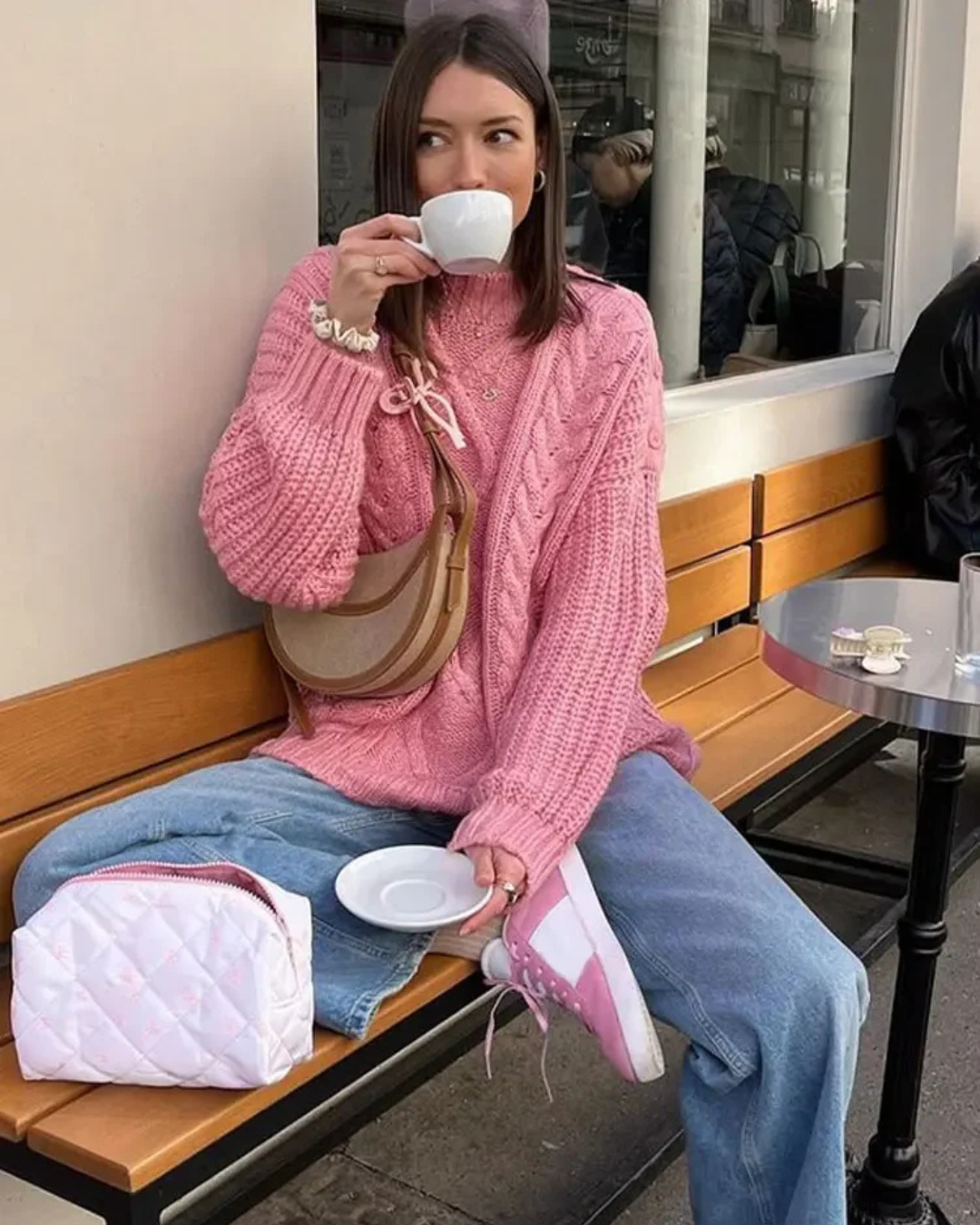
For generations, elegance was synonymous with structure and rigidity. It was found in the sharp shoulder of a blazer, the cinched waist of a dress, and the perfect arch of a stiletto. These were symbols of discipline and control, projecting an image of power that often came at the cost of physical ease. The rise of comfort dressing has proposed a radical new idea: that true elegance can be found in softness, fluidity, and movement.
This new elegance is not about letting go; it is about a different kind of control—one that is self-possessed and internally derived. It is the quiet confidence of a woman in a perfectly draped silk trousers and a simple knit top, unencumbered by her clothes. It is the authority of a leader who commands a room in a relaxed-fit suit and minimalist sneakers, signaling that their power comes from their ideas, not the stiffness of their attire. This shift suggests that true power does not need to be broadcast through restrictive clothing. It is inherent.
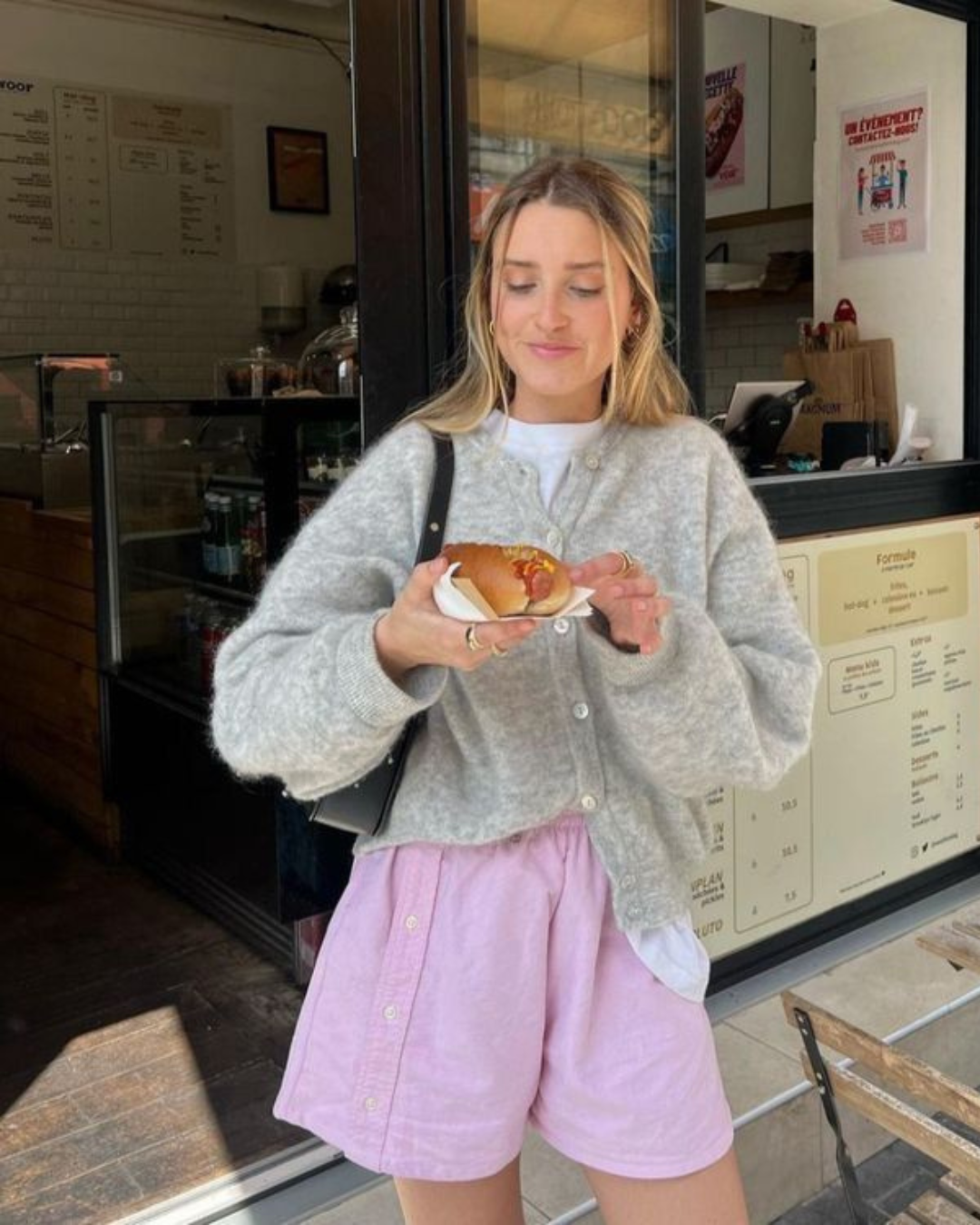
This redefinition has expanded our visual language for what success and sophistication can look like. It allows for a more authentic and inclusive expression of style. It acknowledges that a person can be just as polished and professional in a beautifully crafted knit dress as they can in a traditional power suit. This is a more modern and realistic approach to fashion, one that understands that our lives are dynamic and our clothes need to support us, not constrain us. The new status symbols are not logos or architectural heels, but exquisite fabrics and thoughtful design that prioritize the wearer's experience.
The New Wardrobe Archetypes
The comfort revolution has given rise to a new set of wardrobe archetypes that have replaced their more rigid predecessors. These are the new classics, the building blocks of a modern, functional, and stylish wardrobe. The rise of these pieces signals a long-term commitment to the principles of ease and versatility.
First is the "elevated knit set." Matching sets made from cashmere, merino wool, or ribbed cotton have become the new suit. They offer the polish and cohesiveness of a tailored look but with the unparalleled comfort of loungewear. They can be dressed up with jewelry and boots for a dinner out or worn with sneakers for a day of errands, making them incredibly versatile.
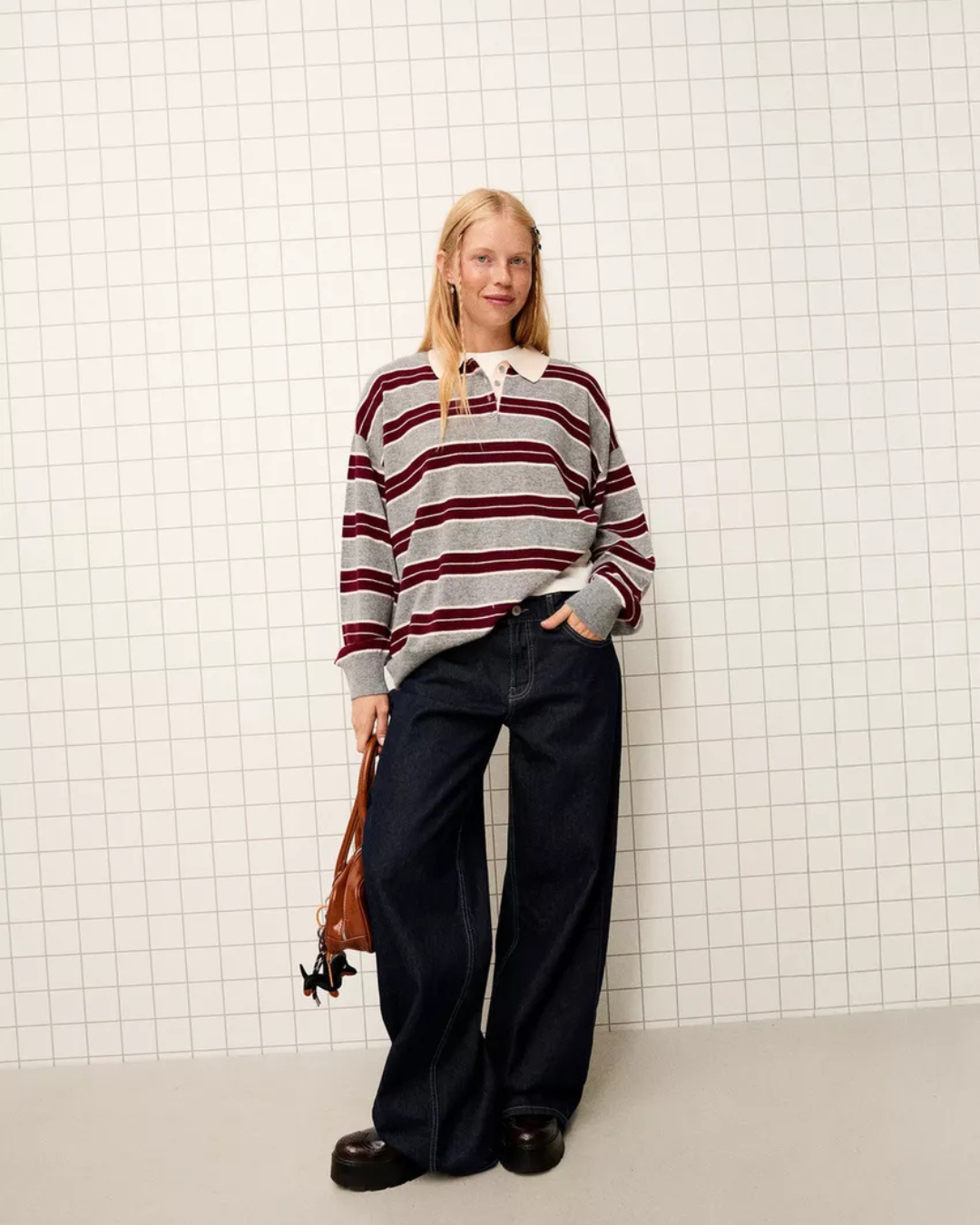
Next is the "wide-leg trouser." This silhouette has largely replaced the skinny pant as the go-to choice for both work and play. Its fluid drape offers freedom of movement and creates an effortlessly chic line. Paired with everything from a simple t-shirt to a structured blazer, it strikes the perfect balance between relaxed and refined.
The "luxury sneaker" is another cornerstone of the modern wardrobe. No longer just for athletic pursuits, sneakers have become a staple of everyday luxury. Brands from Chanel to Gucci have embraced the sneaker, transforming it into a statement piece that can be worn with dresses, suits, and everything in between. It represents the ultimate fusion of style and practicality.
Finally, the "oversized blazer" has replaced the sharply tailored, restrictive jacket of the past. Its looser cut allows for comfortable layering and projects an air of relaxed confidence. It can be thrown over a simple dress to add a touch of polish or paired with jeans for a classic, off-duty look. Together, these new archetypes form the foundation of a wardrobe that is built for the realities of modern life.
How Comfort Expanded Fashion's Horizons
A common critique leveled against the rise of comfort dressing is that it has made fashion lazy or less creative. The reality is quite the opposite. Comfort dressing did not ruin fashion; it expanded its horizons, forcing designers to innovate in new and exciting ways. When you can no longer rely on the old tricks of restrictive tailoring and towering heels to create drama, you have to find it elsewhere.
This has led to a renewed focus on materiality and texture. Designers are exploring the potential of technical knits, performance fabrics, and sustainable textiles to create pieces that are both beautiful and functional. There is a greater appreciation for the feel of a garment against the skin and the way it moves with the body. Craftsmanship has taken center stage, with an emphasis on quality construction that ensures a piece will not only look good but also last.
Furthermore, the shift toward comfort has democratized fashion, making it more accessible and inclusive. By prioritizing ease and movement, designers are creating clothes that work for a wider range of body types and lifestyles. Fashion is no longer exclusively for those who are willing and able to endure physical discomfort. It is for everyone. This inclusivity has challenged the industry to think more creatively about design, leading to more innovative silhouettes and a broader definition of what is considered beautiful.
The Future Is Fluid and Comfortable
The quiet takeover of fashion by comfort is complete. It was not a hostile coup but a gradual, common-sense evolution. It began with the rebellious spirit of streetwear, was solidified by a global event that forced us to reevaluate our priorities, and has culminated in a fundamental shift in our collective psychology. We have learned that dressing for ourselves is not a compromise; it is a form of self-respect.
This movement has rewritten the rules around what elegance can look like and who fashion is meant to serve. Instead of dressing to impress, people have begun dressing to live—to work, to create, to connect, and to rest. And fashion, quietly but completely, has followed. The future of style is not about a return to the rigid norms of the past. It is about continuing to explore the intersection of beauty and ease, of form and function.
The clothes we choose to wear are a reflection of our values. The collective embrace of comfort is a powerful statement. It says that we value our well-being. It says that we believe our clothes should support us, not hinder us. It says that we are confident enough to find power in softness and elegance in ease. Fashion has softened, and in doing so, it has become stronger, more relevant, and more human than ever before.


.png)