
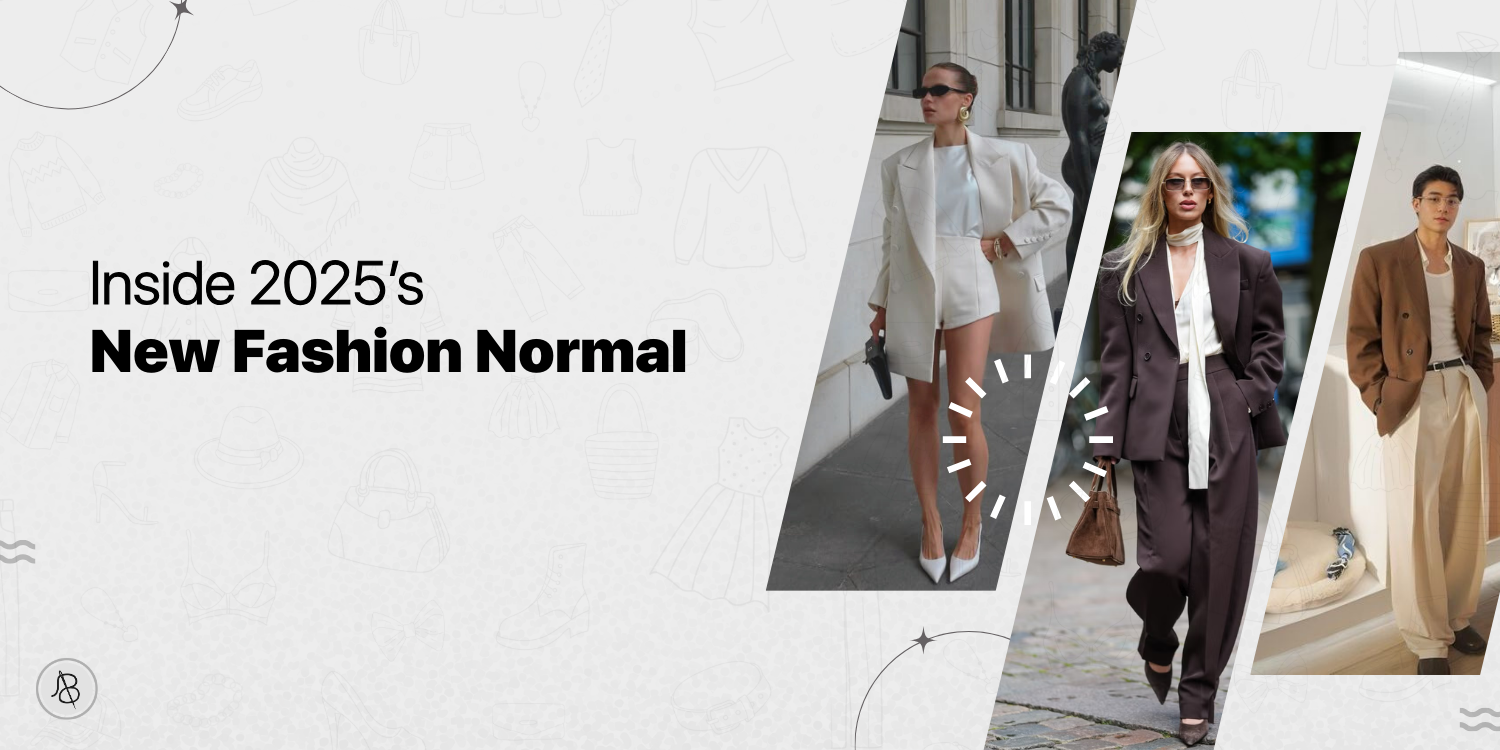
Fashion did not scream in 2025. It settled in. The year marked a quiet departure from the relentless cycle of viral moments and runway extremes that had defined the previous decade. There was no overwhelming pressure from Pinterest boards, no single aesthetic dominating TikTok feeds. Instead, style became a conversation about clothes that worked for real days, real bodies, and real routines. For many, it felt like a collective sigh of relief.
This year rewrote the rules by simply ignoring them. The most significant shift wasn't a particular silhouette or color palette but a change in mindset. Fashion moved away from performance and toward practicality. It was less about dressing for an imagined audience and more about dressing for the life you actually live. We witnessed a collective pivot towards intention, where comfort was not a compromise but a prerequisite. Effortless stopped being an accident and became a deliberate choice.
The new normal wasn't a trend; it was a philosophy. It championed longevity over novelty and personal ease over public approval. From the rise of elevated basics to the universal adoption of relaxed fits, 2025 was the year fashion stopped fighting our lives and started fitting into them. If your wardrobe already reflects this shift, you aren’t behind the curve. You are exactly where fashion landed.
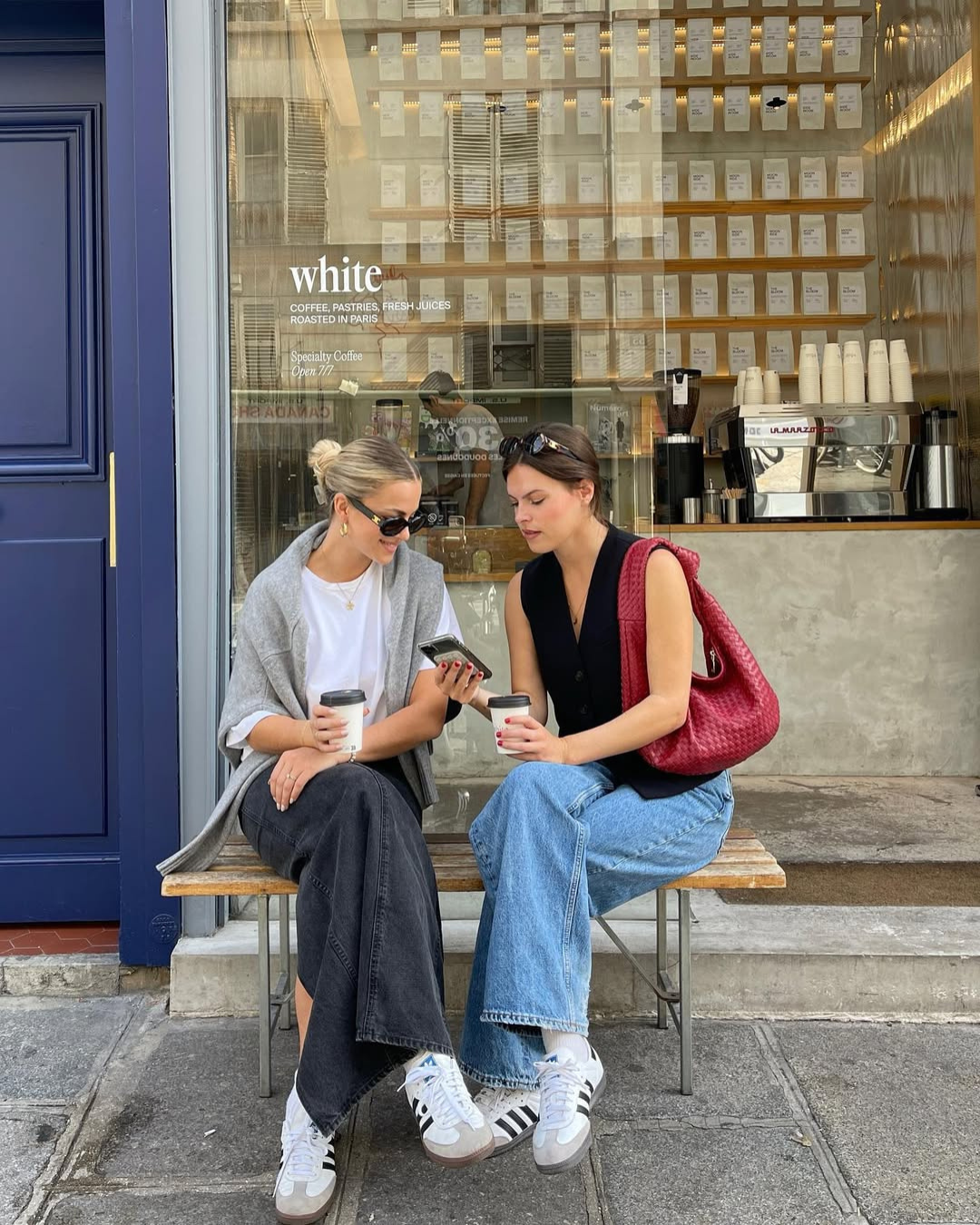
Casual Core: When Effortless Became Intentional
The foundation of 2025’s new fashion normal was built on a simple, unshakable principle: good basics matter. The concept of "Casual Core" took over, not through a coordinated marketing campaign or a viral challenge, but through a collective desire for clothes that just worked. It was a quiet revolution led by good jeans, solid tees, and sneakers that could seamlessly transition from a morning coffee run to a casual dinner.
For years, the idea of an "effortless" look was often a carefully constructed illusion, involving styling tricks, subtle layering, and a specific kind of nonchalant draping that was anything but accidental. In 2025, effortless was reclaimed. It shed its performative skin and became a genuine expression of ease. Outfits looked put together without feeling meticulously planned. The focus shifted from creating a "statement" to building a reliable uniform that felt both comfortable and polished.
This approach democratized style. It moved the focus away from having an endless supply of new clothes and toward the art of wearing what you own. The most stylish individuals were not those with the most clothes, but those who knew their personal uniform inside and out. The confidence came from the reliability of the outfit, not from the shock value of a particular item. Casual Core was about finding strength in simplicity. It was a testament to the idea that you don't need to shout to be heard. A well-fitting pair of jeans and a crisp shirt can speak volumes. This fundamental shift celebrated the beauty of the understated, proving that sometimes the most radical fashion statement is to simply dress for yourself.
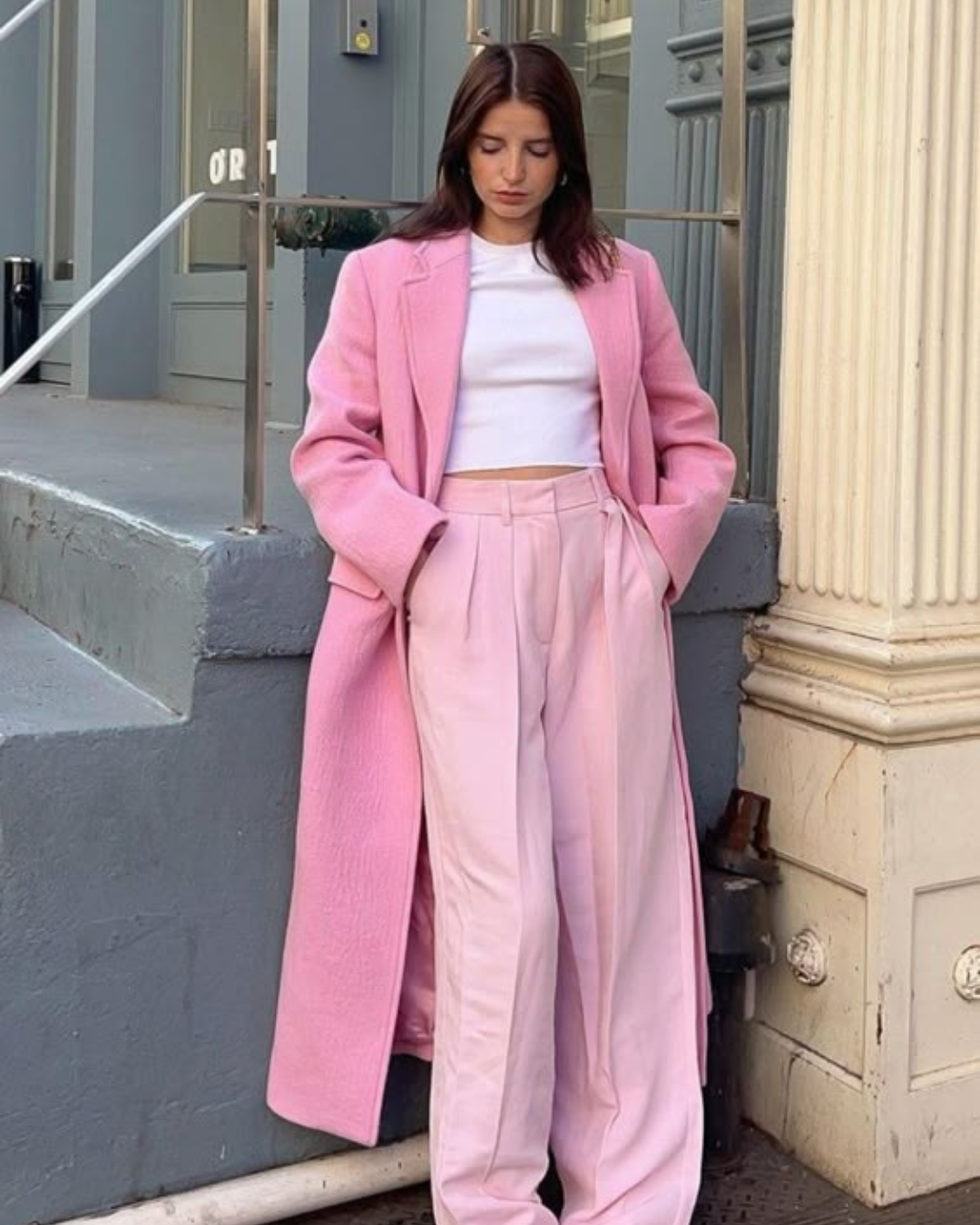
Monochrome: The Ultimate Shortcut to Elevated Style
In a year that celebrated simplicity, monochrome dressing emerged as the ultimate cheat code. The act of wearing a single color from head to toe became the quickest route to an outfit that looked polished, sharp, and undeniably elevated. It was the epitome of lazy dressing that somehow read as high-effort. This wasn't a new concept, but in 2025, it moved from a niche styling trick to a mainstream uniform for anyone looking to convey sophistication without overthinking it.
The power of monochrome lies in its ability to create a clean, unbroken visual line. With no competing colors or distracting patterns, the eye is drawn to the silhouette, the texture of the fabrics, and the person wearing the clothes. An all-black ensemble felt powerful and chic, an all-white look felt fresh and modern, and head-to-toe neutrals like beige, grey, or olive projected a quiet, confident elegance. The look inherently suggested a level of intention. It said, "I did not try too hard, but I definitely know what I'm doing."
What made monochrome dressing so resonant in 2025 was its accessibility. It did not require a specific budget or access to exclusive brands. The principle could be applied with high-street finds or luxury pieces, with the effect remaining largely the same. The magic was in the commitment to a single hue. This simple constraint paradoxically unlocked a new level of creativity. It encouraged a deeper exploration of texture and proportion. A monochrome outfit became more interesting when it combined different materials—a chunky knit with silk trousers, or a cotton shirt with leather pants, all in the same color family.
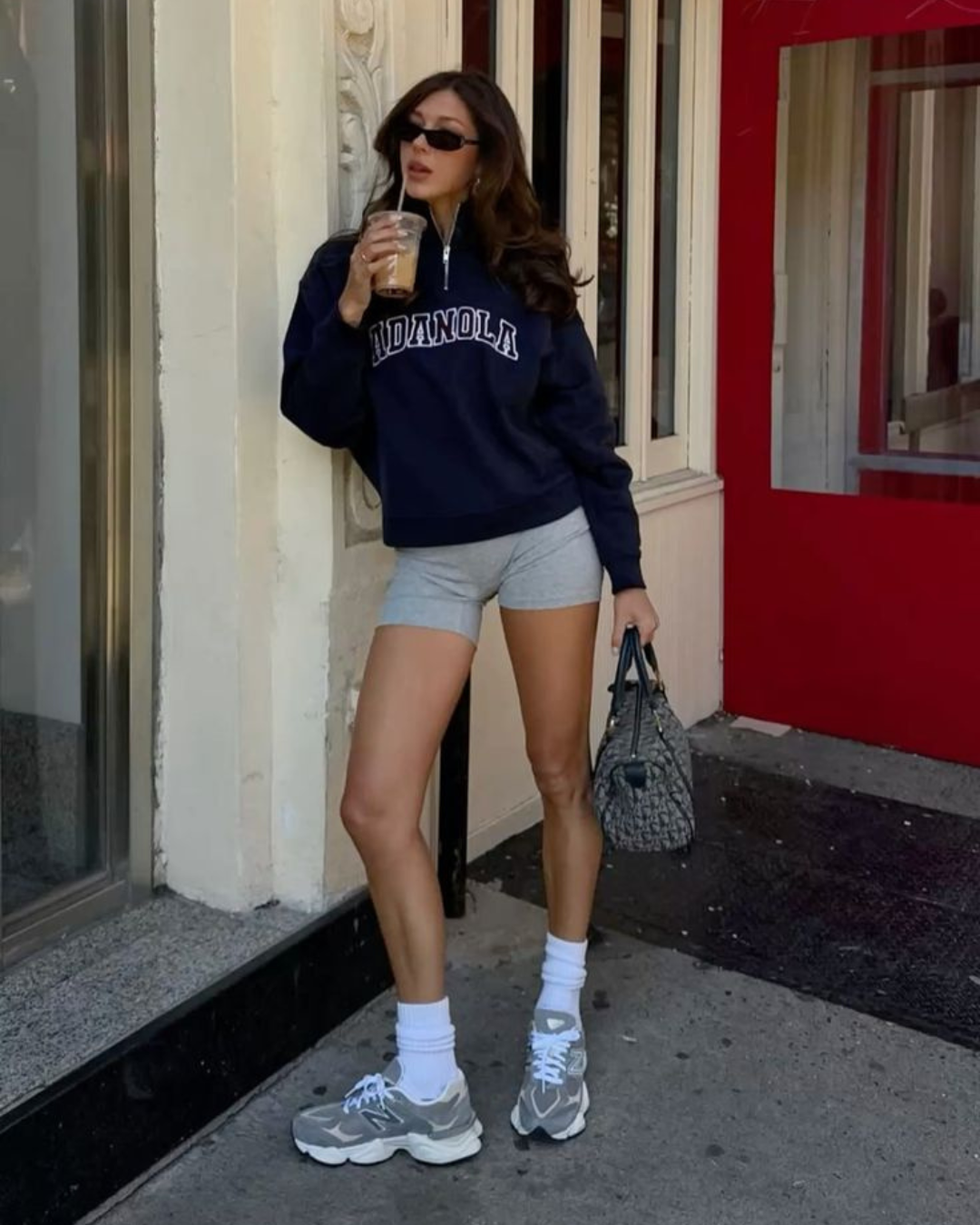
Athleisure's Final Victory: Comfort Becomes the Standard
For years, athleisure has been knocking on the door of mainstream fashion. In 2025, it didn't just get an invitation; it took over the house. Gym clothes officially refused to go back to the gym, and perhaps the most telling part of this shift was that no one complained. The line between activewear and everyday wear blurred to the point of disappearing, establishing comfort not as a weekend luxury, but as the universal standard.
Hoodies, once relegated to lazy Sundays or post-workout errands, showed up at brunch tables and in creative office spaces. Track pants, paired with a smart jacket or a pair of loafers, made their way into dinner plans. And sneakers became the undisputed footwear of choice for nearly every occasion, from commuting to work to attending semi-formal events. The cultural shift was undeniable: comfort stopped asking for permission.
This wasn't just about wearing sweatpants in public. It was about the elevation of comfort-focused garments through better design, higher-quality fabrics, and smarter styling. Brands responded to this demand by creating athleisure pieces that were as stylish as they were functional. We saw hoodies in luxurious cashmere blends, track pants with tailored cuts, and performance fabrics integrated into everyday staples like blazers and trousers. The aesthetic was no longer about looking like you just left the gym; it was about embracing the freedom of movement and ease that activewear provides, without sacrificing a sense of style.
Quiet Luxury: When Style Learned to Speak Softly
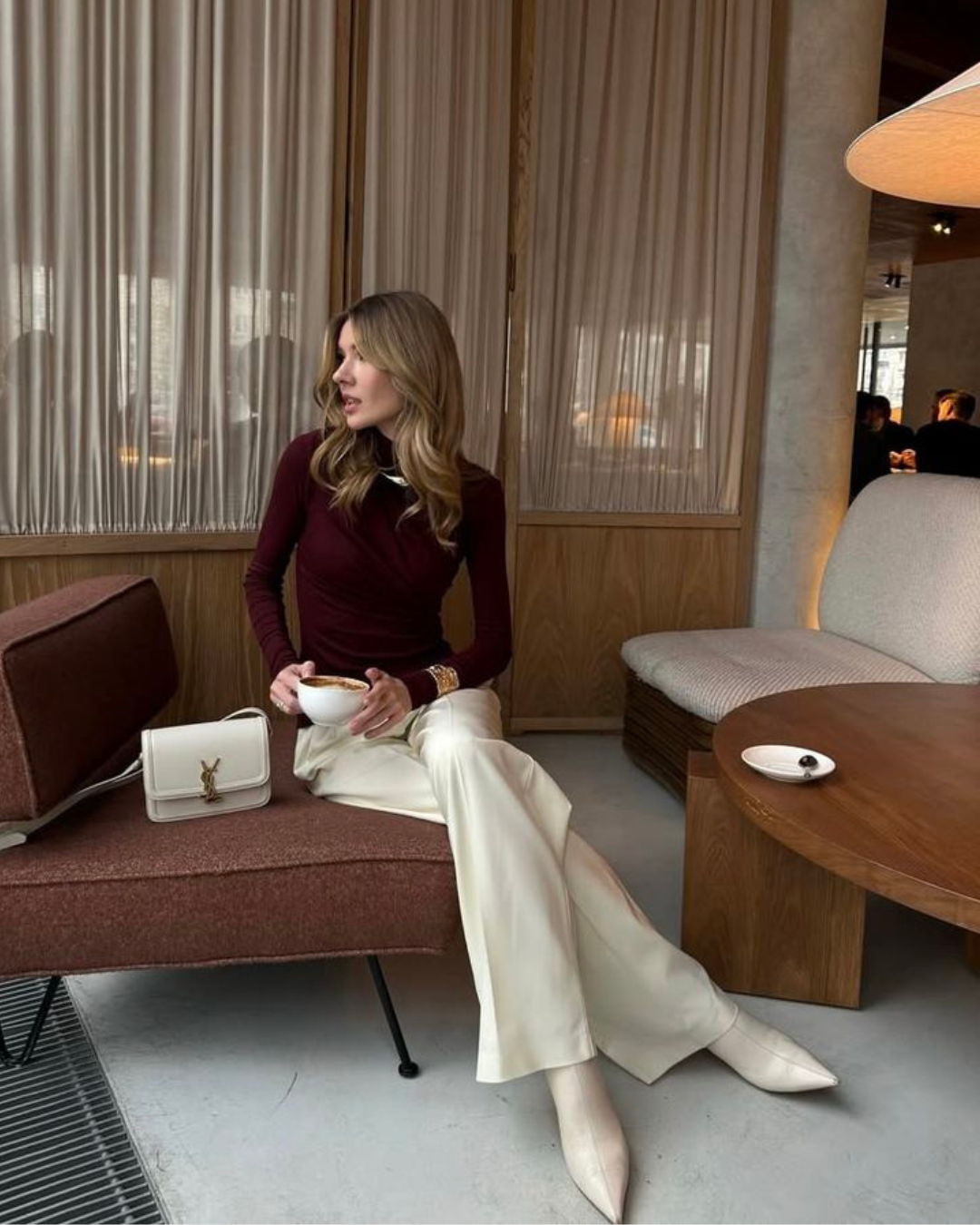
While some corners of fashion thrive on noise, 2025 saw a powerful movement in the opposite direction. Quiet luxury—also known as stealth wealth—stepped out of the niche circles of the ultra-rich and became a mainstream aspiration. It was a philosophy of dressing that rejected loud logos, flashy prints, and anything that screamed for attention. Instead, it championed the subtle power of good fabric, an impeccable fit, and a sense of taste that spoke softly but with authority.
At its core, quiet luxury was not about the price tag. While it often involved high-quality, and therefore more expensive, pieces, the ethos was rooted in restraint, not wealth. It was about choosing a beautifully crafted, unbranded cashmere sweater over a sweatshirt covered in logos. The ultimate compliment for a quiet luxury outfit was not, "What a cool brand," but, "You look great."
This shift resonated deeply with a consumer base growing weary of the constant pressure to display status through brand affiliation. The focus moved from the label inside the garment to the quality of the garment itself. People began to appreciate the feel of a fabric, the precision of a seam, and the way a piece of clothing draped on the body. It was a more intimate and personal way of engaging with fashion, one that valued personal satisfaction over external validation. In a world of oversharing, quiet luxury was about having a secret—the secret being that your clothes were exceptional, but you didn't need to announce it.
Relaxed Tailoring: Fixing Workwear for Real Life
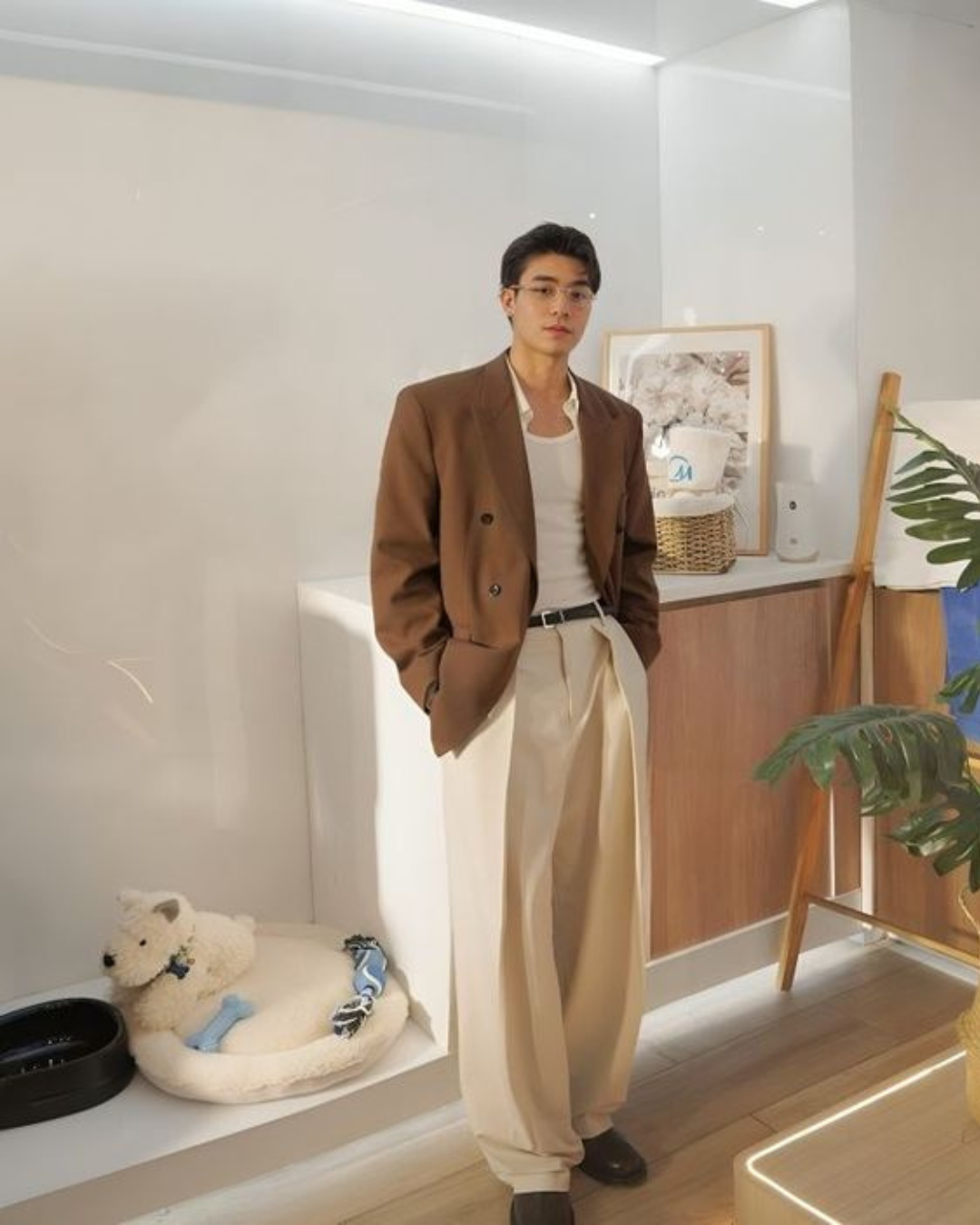
For decades, professional attire was synonymous with constriction. Stiff blazers, restrictive trousers, and rigid silhouettes were the accepted uniform for the office, built on the assumption that discomfort was a necessary component of looking professional. In 2025, workwear finally received a long-overdue update, as relaxed tailoring emerged to fix the category for modern human bodies. Office clothes finally understood that people need to sit, walk, and live in them.
The new wave of tailoring was defined by ease. Blazers were designed to breathe, with softer shoulders, less structure, and fabrics that had a bit of stretch or a more fluid drape. Trousers became more generous in their cut, moving away from skinny fits and toward wide-leg, straight-leg, and pleated styles that allowed for unrestricted movement. The overall silhouette was one of relaxed confidence. It was professional, but it was also comfortable.
This shift was a direct result of changing work cultures. With the rise of hybrid schedules and more flexible office environments, the traditional corporate uniform felt increasingly anachronistic. People needed clothes that could transition from a Zoom call at home to a meeting in the office to after-work drinks, all without requiring an outfit change. Relaxed tailoring provided the perfect solution. A slouchy but well-cut blazer paired with matching trousers looked polished and authoritative, but it felt as comfortable as a favorite cardigan.
What 2025 Really Changed: A Shift in Mindset
Looking back at the style of 2025, it becomes clear that the most profound changes were not in the clothes themselves, but in the attitude behind them. The year marked a collective pivot from performance to practicality. Fashion stopped being a spectacle to be consumed and became a tool to be used. It was less about dressing for approval and more about dressing for real life.
The biggest shift was in the mindset. For years, social media had trained us to think of our outfits as content. We dressed for the photo, for the 'gram, for the curated version of ourselves we projected online. This often led to choices that were impractical, uncomfortable, or disconnected from our actual daily needs. In 2025, there was a palpable sense of fatigue with this performative cycle. People began to prioritize how clothes made them feel over how they might look to an anonymous online audience.
This new mindset manifested in the trends that dominated the year. Casual Core, monochrome dressing, athleisure, quiet luxury, and relaxed tailoring all share a common thread: they are rooted in ease, comfort, and practicality. They are solutions-based approaches to dressing. They answer the fundamental question, "What should I wear today?" with answers that are both stylish and sensible.
This recalibration was about reclaiming style as a personal experience. It was about building a wardrobe that supports your life, rather than one that complicates it. It was about the quiet confidence that comes from knowing your clothes work for you, not the other way around. Fashion in 2025 fit into our lives instead of fighting against them.
If your closet is filled with reliable basics, comfortable favorites, and pieces that make you feel good without needing to shout, you are not behind the times. You are living the new normal. You have embraced the most important style lesson of 2025: the best fashion is the kind that lets you forget about fashion and just get on with your life.


.png)