If you have ever casually thought about buying a leather jacket and then suddenly seen ads for leather jackets splashed all over your social media, you are not alone. It’s an experience so common it has become a modern-day conspiracy theory. This unsettling accuracy often leads people to one conclusion: our phones are listening to our conversations. It’s a simple, and frankly, creepy explanation. But the reality is something far more sophisticated, elegant, and in many ways, more interesting.
Your phone is not listening to you. It is analyzing you. Every tap, swipe, and pause tells a story about who you are and what you desire, often before you have fully articulated it yourself. This isn't about eavesdropping; it's about observation. The algorithms that power our digital lives are not mind readers. Instead, they are incredibly astute students of human behavior, piecing together a detailed portrait of your style one micro-action at a time. The uncanny accuracy of your feed isn't a sign of surveillance; it's a reflection of your own digital body language.
What feels like an invasion of privacy is actually a complex dance between your subconscious interests and the code designed to recognize them. The future of style isn't being dictated by trends; it's being decoded from your data. Understanding this process removes the fear and replaces it with a fascinating look at how technology is creating a mirror to our innermost tastes.
.jpg)
How Algorithms Actually Understand Your Style
The idea that your phone's microphone is constantly active, streaming your private conversations to a server somewhere to sell you a new pair of boots, is a compelling narrative. It fits neatly into our anxieties about big tech. However, from a technical standpoint, it’s highly impractical. Constantly recording, storing, and processing that much audio data would require enormous amounts of energy, bandwidth, and processing power. Your phone's battery would drain in an hour, and your data plan would evaporate.
The truth is that technology companies have found a much more efficient and effective way to understand you: by studying your micro-behaviors. These are the small, often unconscious actions you take every second you spend online. They are the digital breadcrumbs you leave behind as you navigate your feed.
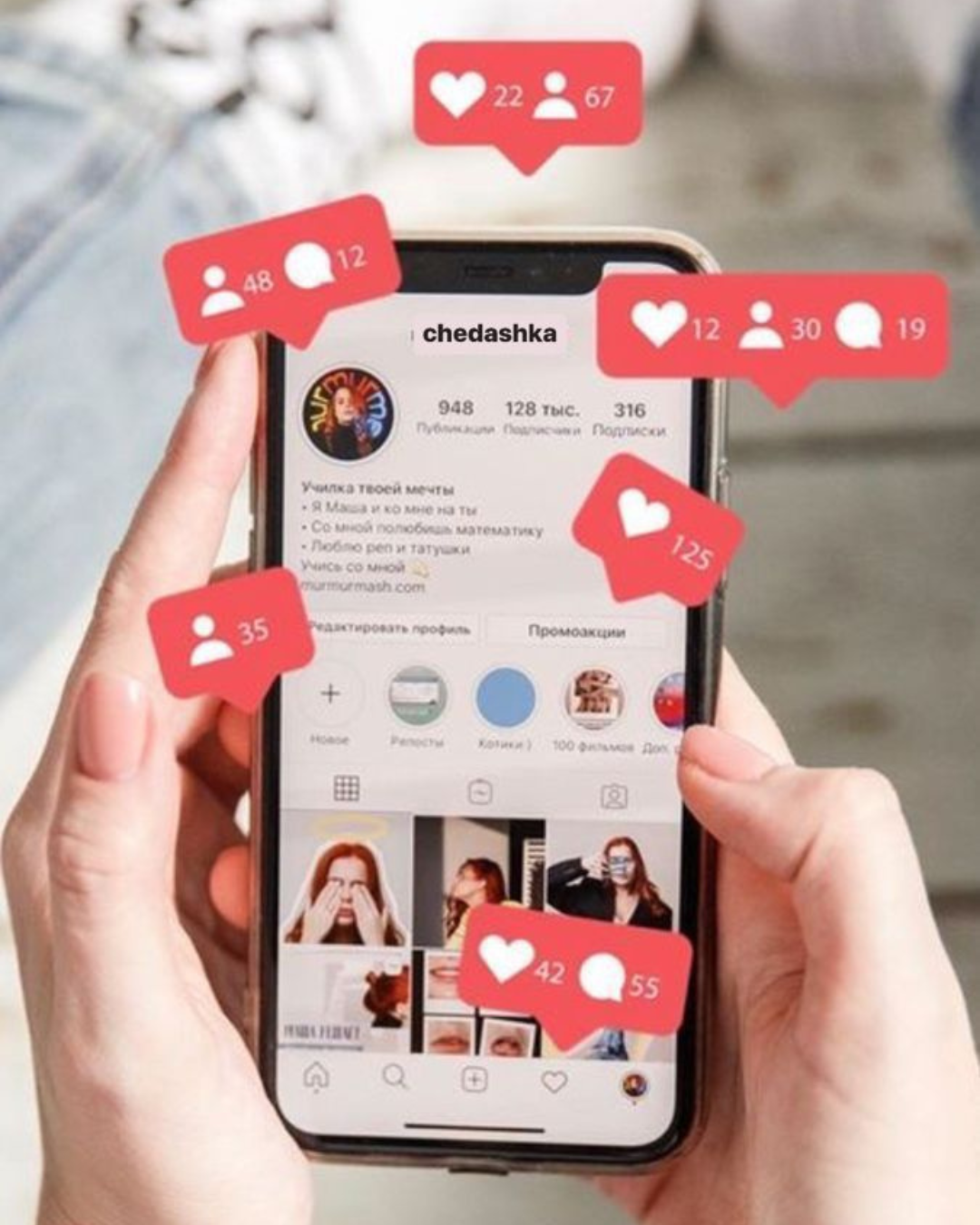
Think about your own scrolling habits. You might fly past dozens of posts without a second thought, but then your thumb hesitates. You pause for a fraction of a second longer on an image of a perfectly tailored blazer. You might not click "like," you might not comment, and you might not even consciously register the pause. But the algorithm does. It notes that this particular image, with its specific silhouette, color, and texture, held your attention.
This is just one data point. The system also tracks which videos you rewatch, even if it’s just looping the first three seconds to get a better look at someone's shoes. It logs the posts you save to a collection, even if you never open that collection again. It even analyzes the speed of your scrolling—slowing down around certain aesthetics and speeding up to get past others. Each of these actions, individually, seems meaningless. A single pause is just a pause. But when thousands of these data points are collected and analyzed, they form a remarkably accurate and nuanced profile of your taste. The algorithm isn't listening to you say, "I need a new coat." It's observing you spend 1.2 seconds longer looking at trench coats than you do at puffer jackets.
This data creates a powerful feedback loop. The more signals you provide, the better the algorithm understands you. It learns your preferences with a level of detail that even you might not be consciously aware of. It's not just that you like "bohemian style." It knows you prefer paisley prints over floral, earth tones over pastels, and loose-fitting linen over structured cotton. It’s a silent, constant process of learning, refining, and predicting.
Why Fashion Content Appears So Perfectly Timed
The "I was just talking about it" phenomenon is where this process feels most like mind reading. You have a fleeting thought about updating your workout gear, and suddenly your feed is a curated collection of leggings, sports bras, and running shoes. This isn't a coincidence, but it's also not magic. It's a direct result of your own subtle behavioral shifts.
The moment you start considering a change in your style or a new addition to your wardrobe, your online behavior changes. You may not start actively searching for "sustainable sneakers" right away, but your patterns of engagement shift. You start spending infinitesimally more time looking at outfits that feature sneakers. You might unconsciously pause on an influencer’s post where their shoes catch your eye. You engage more with content that aligns with this new, budding interest, often without a deliberate plan.
Algorithms are designed to detect these shifts in real-time. They are not static; they are constantly adjusting the content on your feed based on the signals you are providing in that very session. If you suddenly start pausing on posts featuring vintage denim, the system will immediately begin prioritizing more content related to vintage denim. It will show you influencers who specialize in thrifted fashion, brands that sell retro-style jeans, and tutorials on how to style them.
This creates the illusion of perfect timing. The algorithm isn't predicting your future thoughts. It is responding to your present actions. By the time the thought "I should really get some new jeans" fully forms in your mind, your feed has already been transformed into a personalized denim lookbook. Your subconscious interest, expressed through your micro-behaviors, has already set the wheels in motion.
This explains why the recommendations often feel so spookily accurate. The system isn't planting ideas in your head; it’s amplifying the ones that are already there, bubbling just below the surface of your conscious mind. It’s a responsive mechanism, not a predictive one. The content feels so relevant because, in a way, you are the one who curated it through your silent, digital interactions.
Fashion Tech Is Built Around Patterns, Not Trends
A common misconception is that fashion technology is all about pushing the latest macro-trends. We imagine a system designed to make everyone want the same "it" bag or the same viral dress. While trends certainly play a role in the fashion ecosystem, the algorithms personalizing your feed are far more interested in your individual patterns than in overarching industry trends.
The technology is not trying to make you like something new; it’s trying to understand what you already like. It learns which specific silhouettes you repeatedly engage with. Do you consistently pause on A-line dresses but scroll past bodycon styles? It learns which colors you gravitate towards. Is your feed a sea of minimalist neutrals, or do you stop for vibrant, bold hues? It even identifies the styling combinations that make you pause. Perhaps you have a soft spot for outfits that pair masculine and feminine elements, like a floral dress with combat boots.
Over time, this data allows the algorithm to build a sophisticated map of your personal style. It identifies both your comfort zone—the styles you consistently love and wear—and your aspirational choices—the styles you admire but may not have tried yet. It can distinguish between what you appreciate aesthetically on others and what you might actually consider for yourself.
This is a fundamental shift away from the top-down model of fashion, where magazines and designers dictated what was in season. Instead, fashion technology operates from the bottom up. It doesn't push random trends at you, hoping something will stick. It reflects your existing preferences back to you in a more refined and expanded way. If it knows you love oversized blazers, it won’t suddenly start showing you fitted peacoats. Instead, it will show you new ways to style an oversized blazer, different brands that make them, and other items that pair well with them.
This focus on patterns is what makes the experience feel so personal. The system isn't trying to change you. It's trying to help you become a more realized version of your existing self. It is a tool for discovery, but that discovery is guided by your own unique taste.

Your Feed Is a Mirror, Not a Mind Reader
What often makes this entire process feel so unsettling is how deeply personal it seems. An algorithm that knows you are contemplating a breakup haircut or that you have a secret love for sequins feels invasive. However, the key is to reframe how we view our feeds. Your feed is not a window into your mind; it is a mirror reflecting your actions.
The technology isn’t predicting your thoughts or listening to your private conversations. It is simply responding to the behavior you exhibit. It shows you your own taste, your own interests, and your own style patterns, often before you have had a chance to consciously label them yourself. Have you ever noticed a recurring theme in your saved posts and thought, "Huh, I guess I'm really into green right now"? The algorithm noticed weeks ago.
This mirroring effect can be incredibly powerful. It can help you identify and articulate your personal style with greater clarity. It can expose you to new brands and ideas that align perfectly with your aesthetic, saving you the effort of searching for them yourself. In this sense, it acts as an incredibly efficient personal stylist, one that has been studying you for years.
Of course, this mirror can also have a distorting effect. By constantly showing you a refined version of what you already like, it can create an aesthetic echo chamber. It can reinforce your existing biases and limit your exposure to new and challenging ideas. If your feed becomes too personalized, it can stifle the natural evolution of your style, which often comes from unexpected discoveries and happy accidents.
Understanding that your feed is a mirror is crucial. It empowers you to take control of the reflection. If you want to see something different, you have to act differently. You can consciously choose to engage with new styles, follow different creators, and break your established patterns. The algorithm will respond in kind, and the mirror will begin to reflect a new image. It’s not a passive experience; it’s an interactive one.
The Future of Style: Data-Driven and Deeply Personal
This intersection of fashion and technology marks a profound shift in how we understand and develop personal style. The future is not about mass trends dictated from a runway in Paris. It is about deeply individualized experiences, built on a foundation of behavioral insights. The one-size-fits-all approach to fashion is being replaced by a model that is one-size-fits-one.
Understanding the mechanics behind this process helps to demystify it. It removes the fear and paranoia surrounding algorithm-driven content. Your phone is not your enemy. It is simply an observant tool. It’s not invasive in the way people assume; it’s just incredibly good at pattern recognition.
This data-driven approach has the potential to make fashion more accessible, more sustainable, and more personal than ever before. When a brand knows exactly what you are looking for, it can reduce waste by producing only what is desired. When your shopping experience is tailored to your specific tastes, it eliminates the frustrating and time-consuming process of sifting through thousands of items that don't suit you. The better the system understands you, the more relevant and enjoyable your fashion experience becomes.
This is not to say that there are no concerns. Questions about data privacy, algorithmic bias, and the potential for manipulation are valid and important. We must continue to demand transparency and accountability from the companies that build these systems.
However, the underlying technology itself is not inherently sinister. It is a powerful tool that is reshaping our relationship with the clothes we wear. It is changing how we discover, shop for, and think about fashion. The spooky accuracy of your feed isn't a sign that you're being watched by a faceless corporation. It's a sign that you are being understood. And in a world of endless choice, being truly understood is a new form of luxury. The future of style is not about what everyone else is wearing; it’s about what the data says is uniquely, undeniably you.