
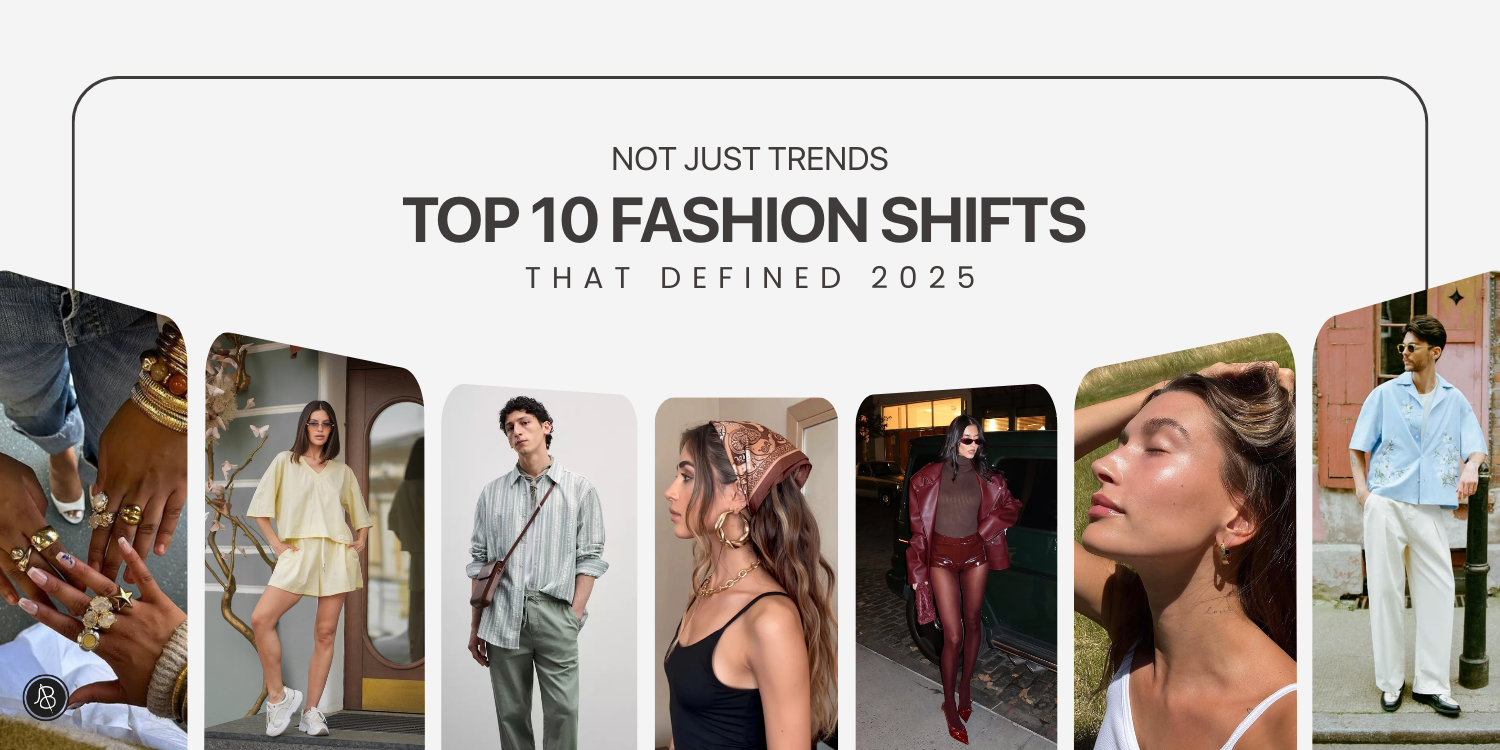
The year 2025 will be remembered in fashion not for a single viral item or a fleeting aesthetic, but for a profound behavioral change. It was the year fashion stopped trying so hard and started working smarter. Across runways, street style, and the quiet reality of everyday life, a collective exhale occurred. The frantic chase for newness subsided, replaced by a deeper appreciation for intention, styling, and the art of the repeat wear. Clothes became less about making a loud entrance and more about living a confident life.
This was not a year of one dominant trend but a series of quiet, powerful currents that converged to reshape wardrobes. These shifts were less about what to buy and more about how to live. They signaled a move away from impulse consumption and toward a more considered, personal, and sustainable relationship with what we own. From the soft power of a new neutral hue to the rise of styling as a primary skill, these changes were not just about aesthetics; they were about a new mindset. Here are the ten fashion shifts that truly defined 2025.
1. Butter Yellow Took Over
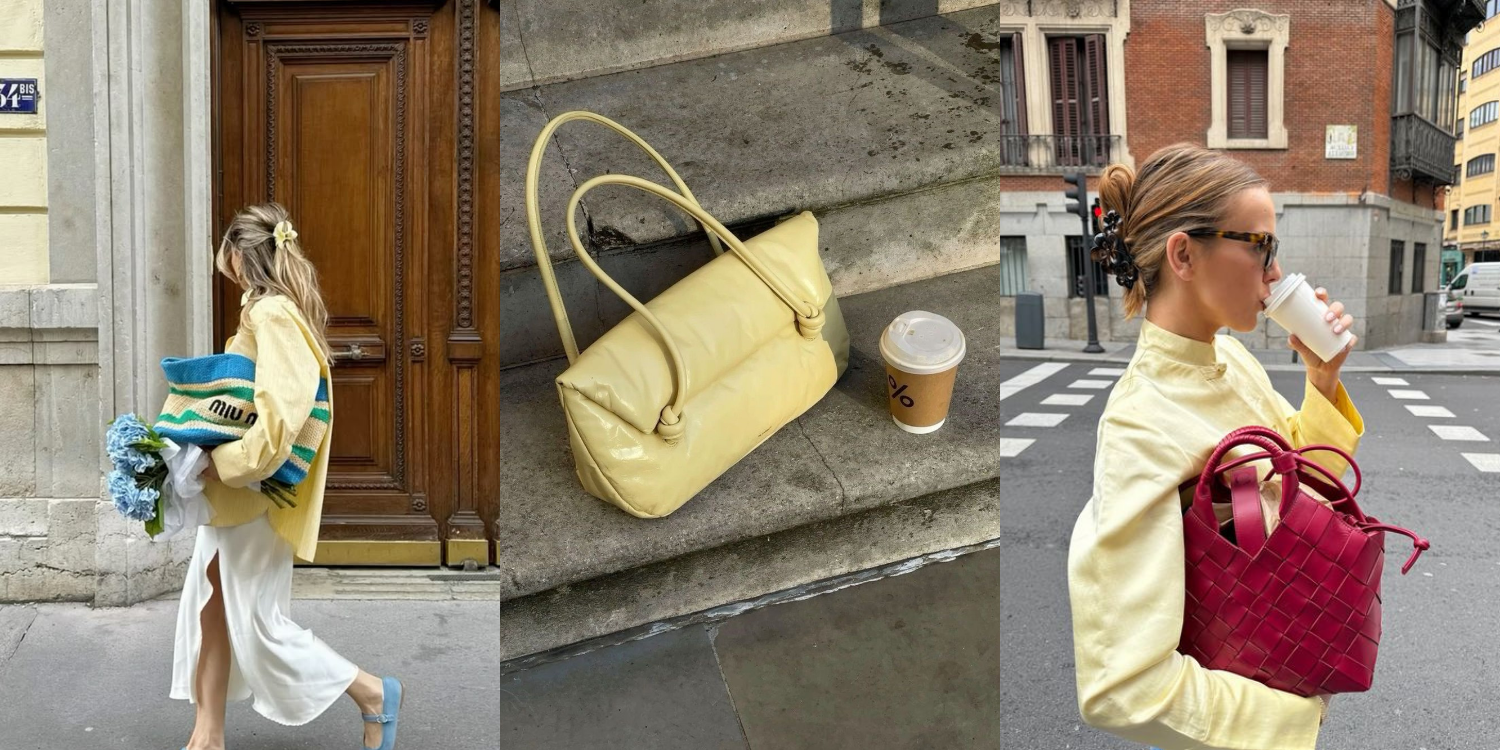
In a world saturated with fleeting, high-impact colors, one shade emerged with a quiet, confident authority: butter yellow. This soft, creamy hue became the unexpected protagonist of 2025, appearing everywhere from architectural dresses and structured handbags to delicate heels and sweeping outerwear. Its rise was not a coincidence; it was a direct response to a collective desire for warmth without the drama. Unlike the aggressive neons or somber earth tones of seasons past, butter yellow offered a gentle optimism.
The shade’s power lay in its versatility. It functioned as a new kind of neutral—one with personality. For those tired of the endless cycle of beige and grey, butter yellow provided a dose of color that felt both refreshing and sophisticated. It softened sharp silhouettes, lent an air of elegance to casual fabrics like cotton and linen, and brought a touch of modernity to classic pieces. A butter yellow trench coat, for example, felt more approachable than traditional khaki, while a handbag in the same shade added a point of interest to a monochrome outfit without overwhelming it.
This color resonated because it mirrored the year’s broader mood. It was hopeful but not naive, cheerful but not loud. It felt grounded and real, a color that could move seamlessly from a professional setting to a weekend brunch. Brands across the spectrum, from high luxury to accessible retail, embraced its appeal. It was seen in the fluid silks of runway collections and the cozy knits that populated social media feeds. The success of butter yellow was a testament to the fact that impact doesn't always require volume. Its soft power was its greatest strength, making it the definitive color for a year that valued subtlety and grace.
2. Maximalist Accessories Made Basics Feel Complete
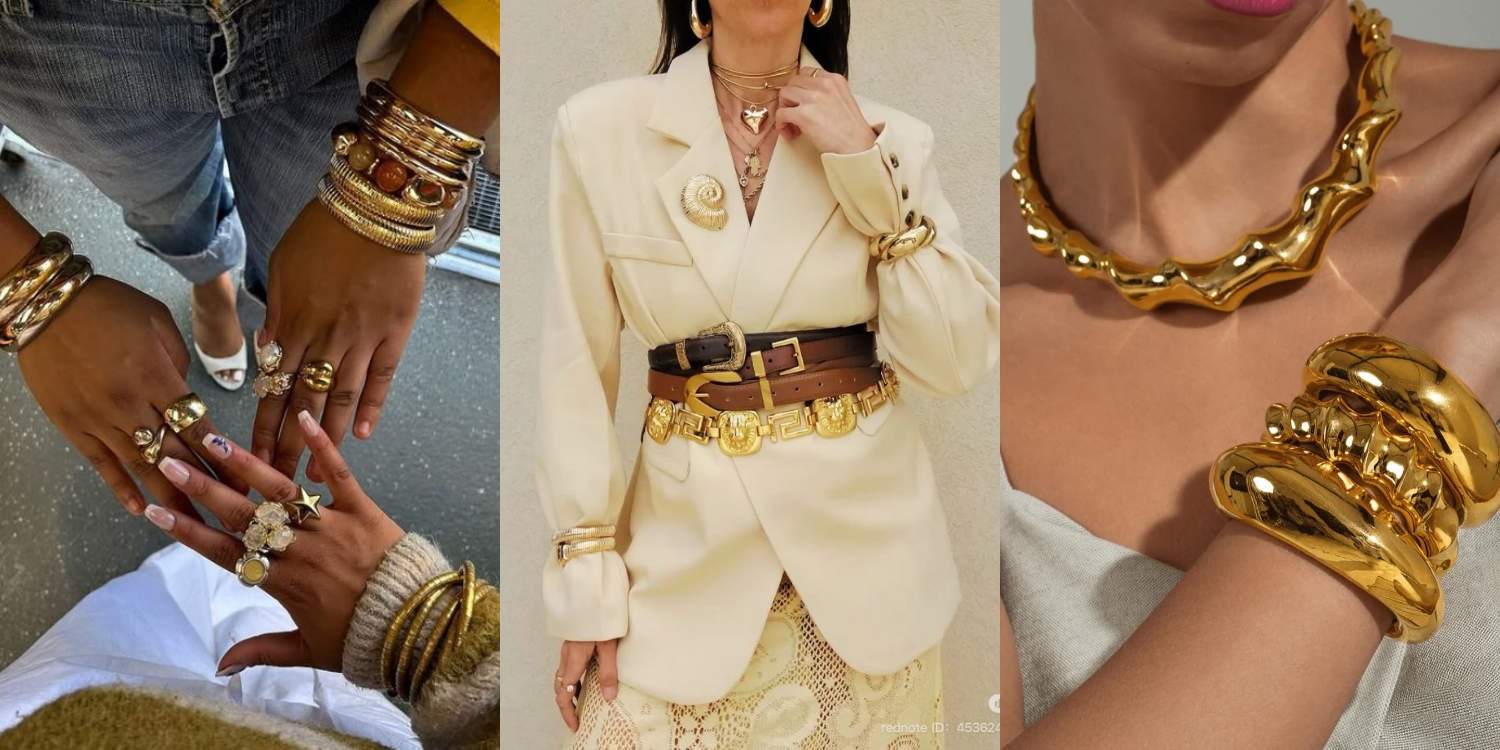
In 2025, accessories stopped being an afterthought and became the main event. While clothing silhouettes became more streamlined and classic, jewelry, bags, and belts took a bold turn toward maximalism. This shift was transformative, proving that a simple outfit was no longer plain once the right accessories entered the picture. It was a masterclass in the art of styling, where the details did all the heavy lifting.
The movement was characterized by scale and substance. Jewelry became sculptural and significant. Chunky, hammered-gold cuffs replaced delicate chains, and oversized, irregular pearl earrings made a more compelling statement than simple studs. Necklaces were layered with intention, combining different textures and lengths to create a focal point against a simple crewneck sweater or a crisp white shirt. It was about adornment with purpose, where each piece felt like a deliberate choice rather than a decorative flourish.
Bags followed a similar trajectory, moving away from the micro-purses of previous years and toward substantial, oversized totes and structured carryalls that were both functional and impactful. Wide leather belts cinched the waists of blazers and dresses, creating an instant hourglass shape and adding a layer of polish. Bold, architectural eyewear became a signature for many, framing the face and completing a look with a dose of personality.
This shift was significant because it empowered people to breathe new life into their existing wardrobes. A classic uniform of a t-shirt and jeans could be entirely transformed with the addition of a statement belt, a substantial handbag, and bold earrings. Accessories became the engine of personal style, allowing for endless variation without the need to constantly buy new clothes. It was a smarter, more sustainable approach to getting dressed, one that celebrated curation and creativity over consumption.
3. Leopard Print Refused to Leave
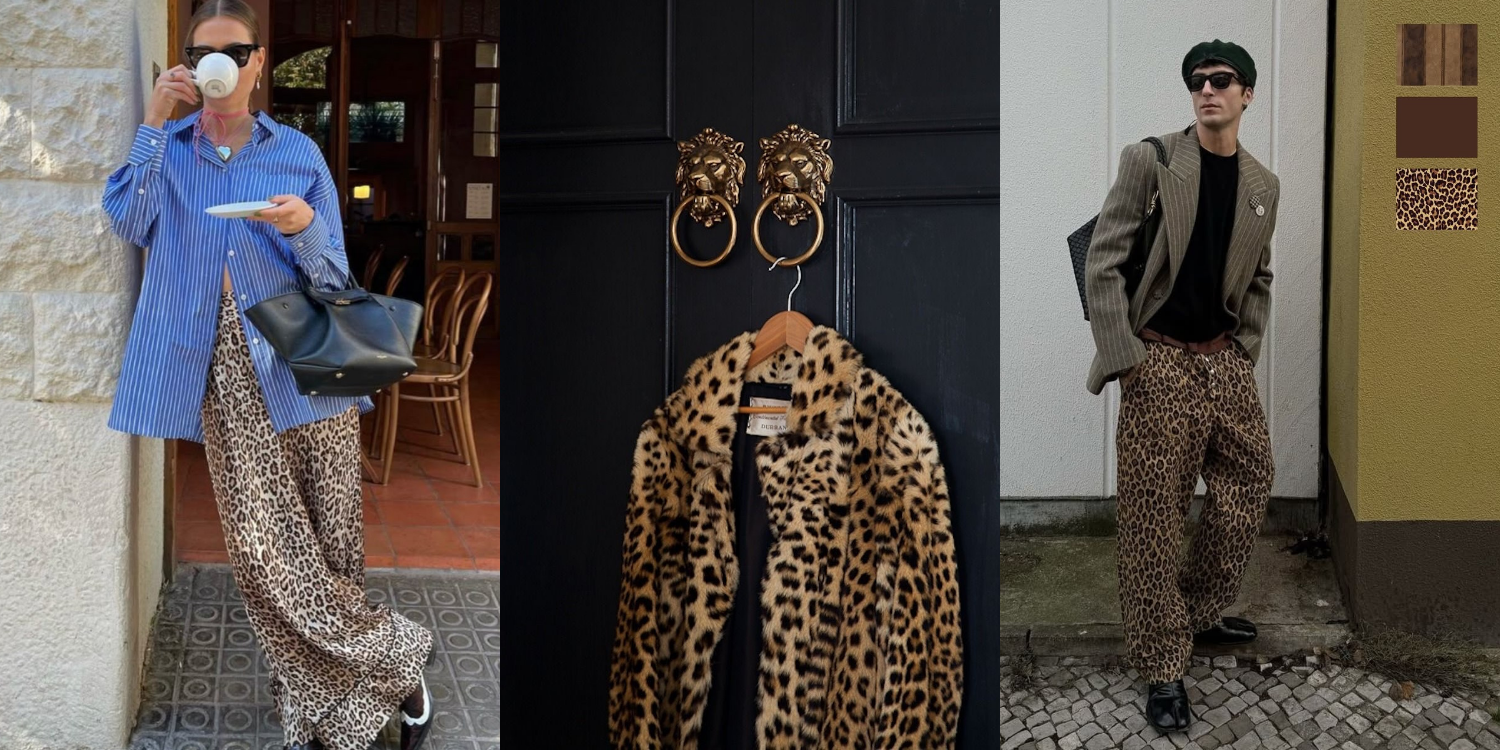
Year after year, fashion critics have predicted the demise of leopard print, and year after year, it has proven them wrong. In 2025, the enduring pattern did not just survive; it matured into a sophisticated neutral. The key to its longevity was a newfound sense of restraint. The days of head-to-toe leopard were replaced by a more intentional and elegant application, where a single, well-chosen piece was allowed to command attention.
The modern way to wear leopard print was to treat it as a powerful accent rather than a chaotic statement. A sleek leopard print midi skirt, for instance, was styled with a simple black cashmere sweater and classic pumps. A tailored leopard print coat was thrown over an all-black ensemble, creating a look that was both timeless and confident. The print was often seen on structured accessories—a calf-hair handbag, a pointed-toe heel, or a silk scarf tied at the neck. This disciplined approach harnessed the print’s inherent power without letting it descend into kitsch.
The context was everything. When paired with clean lines, structured tailoring, and a neutral color palette, leopard felt elevated and chic. It became a symbol of confidence for a new generation, a print that signaled an understanding of classic style with a contemporary edge. Its persistence in 2025 was proof that true style icons never really fade away. They simply evolve. By embracing restraint, leopard print reaffirmed its status as a timeless staple, proving it belongs in the same category as stripes and florals—a classic pattern with an untamable spirit.
4. Statement Jackets Became the Outfit
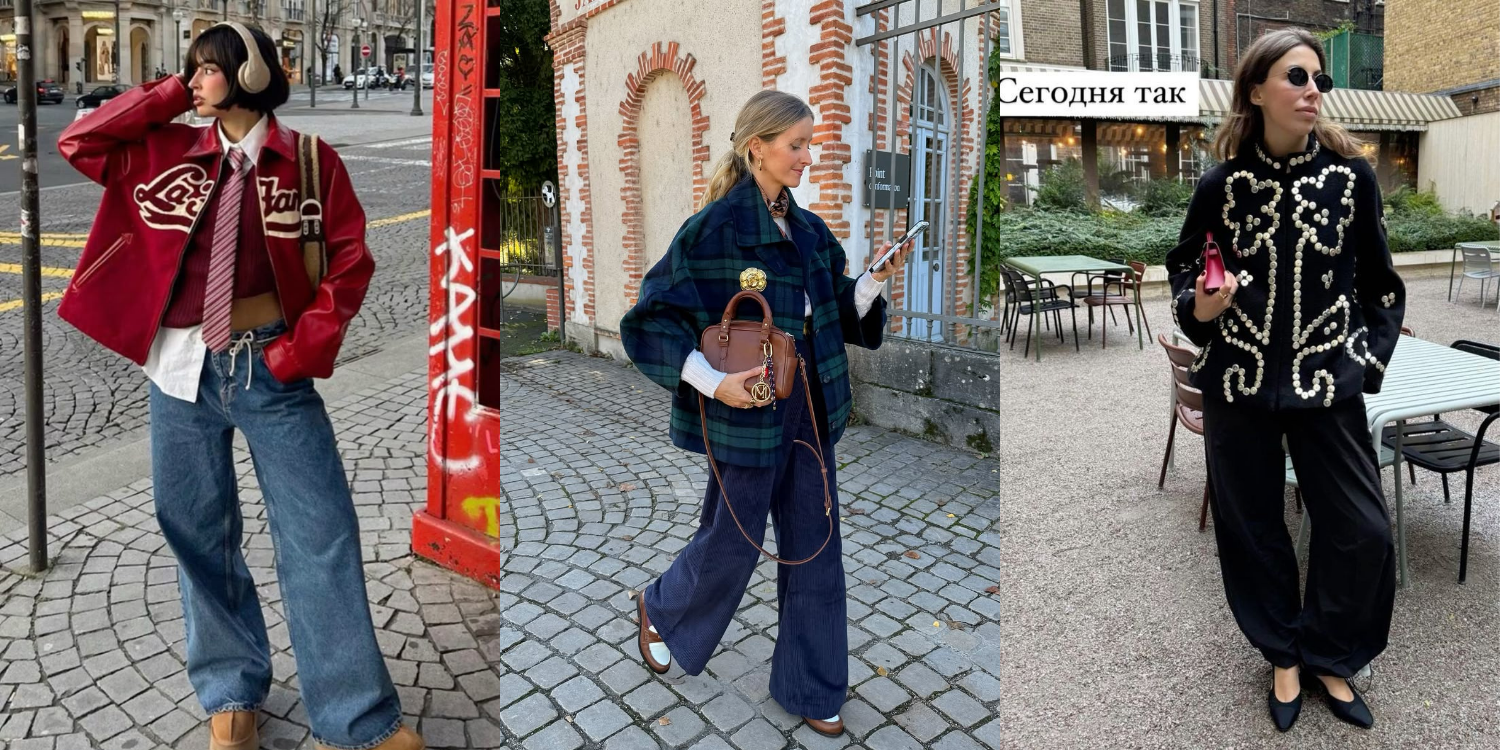
Outerwear has always been a functional necessity, but in 2025, it shed its supporting role and became the main character. The statement jacket was no longer just a layer to be added or removed; it was the central, defining element of an entire outfit. This shift changed the very process of getting dressed, with many people starting their styling process from the jacket outward, rather than the other way around. The jacket was not an addition to the look—it was the look.
This trend manifested in several key silhouettes. Cropped blazers, with their sharp shoulders and nipped-in waists, offered a modern take on tailoring. Worn over simple slip dresses or paired with high-waisted trousers, they created a powerful, dynamic shape. Leather trenches, often in rich shades of chocolate brown or deep burgundy, brought a sense of drama and sophistication to even the most basic outfits. On the more casual end, oversized bomber jackets, rendered in luxe materials like satin or recycled nylon, provided an effortlessly cool finish.
What united these pieces was their ability to single-handedly define an aesthetic. A sculpted, architectural jacket could make a simple pair of jeans feel runway-ready. The beauty of this approach was its efficiency. It required minimal effort for maximum impact. With a truly great jacket, what lay underneath could be incredibly simple—a white tee, a black bodysuit, a pair of classic trousers. The outerwear did all the talking.
This shift was a practical response to a fast-paced world. For people on the go, a statement jacket offered an instant solution to looking polished and put-together. It was a form of sartorial armor, a piece that could be thrown on to immediately elevate one's presence. It was a clear indication that in 2025, the most impactful pieces were also the most hardworking.
5. Styling Replaced Shopping
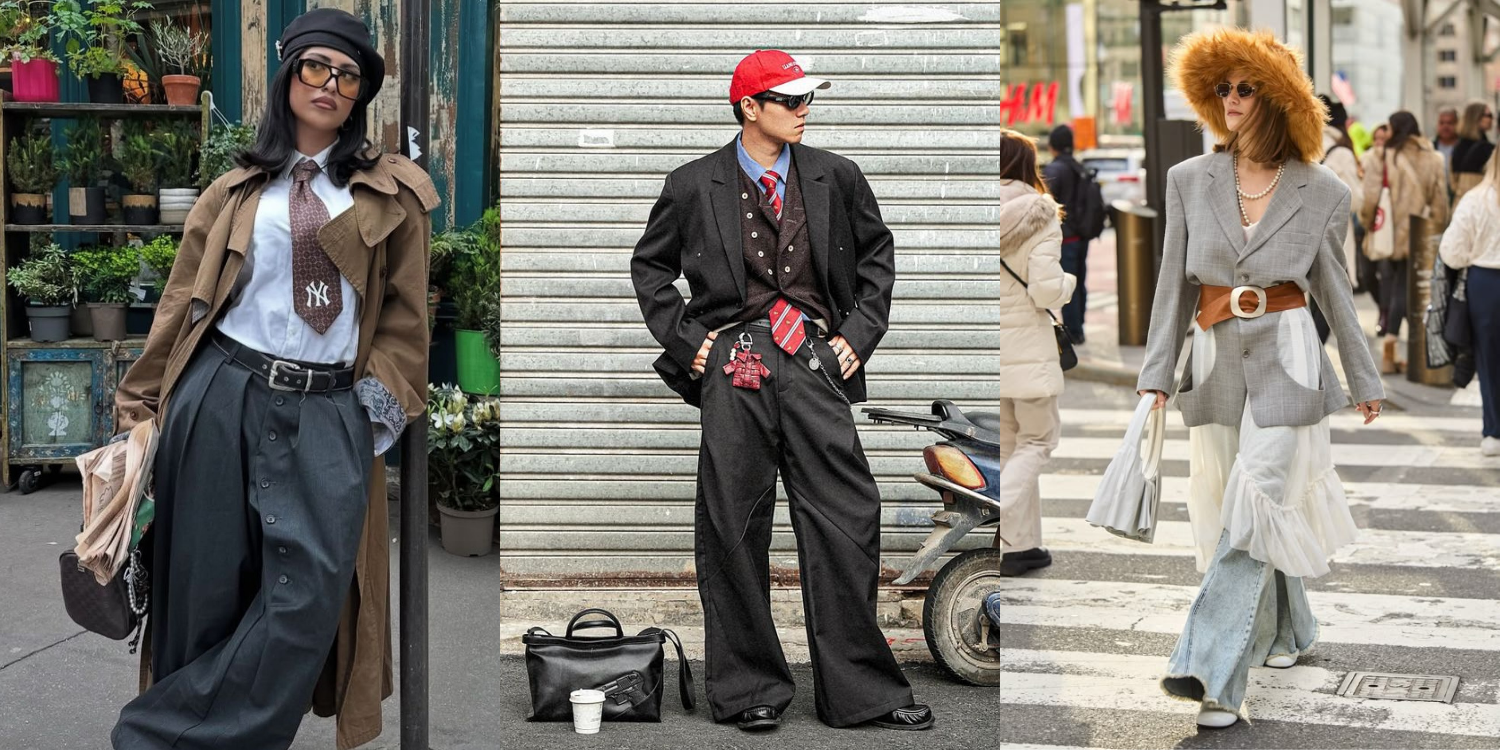
Perhaps the most significant and profound shift of 2025 was a change in mindset that moved from acquisition to application. The dominant question in fashion conversations was no longer "What should I buy?" but rather, "How should I style this?" This pivot represented a collective maturation of consumer behavior, where the focus shifted from the thrill of the new purchase to the satisfaction of creative expression. Rewearing, remixing, and thoughtful outfit planning took precedence over impulse buys and trend-driven consumption.
The concept of "cost per wear" finally moved from a niche, sustainability-focused metric to a mainstream consideration. People began to view their wardrobes as a curated collection of assets rather than a revolving door of disposable trends. Social media platforms, once the primary engine of fast fashion, started to reflect this change. Influencers gained followings not by showcasing endless hauls of new clothing, but by demonstrating how to style a single piece in multiple ways. Wardrobe capsules, "shop your closet" challenges, and outfit-repeating with pride became celebrated content formats.
This behavioral shift was supported by a growing ecosystem of digital tools and a renewed interest in personal style fundamentals. People sought clarity in their wardrobes, understanding that a closet full of clothes did not equate to having something to wear. The real value was in a cohesive, versatile collection where pieces could be mixed and matched with ease.
This was more than just a trend; it was a fundamental reevaluation of our relationship with clothing. It was an acknowledgment that true style is not about owning more, but about knowing how to make the most of what you have. It fostered a sense of creativity and resourcefulness, empowering individuals to become the stylists of their own lives. In 2025, the most fashionable thing you could do was not to buy something new, but to fall in love with your own closet all over again.
6. The Color of the Year Effect Took Over Everything
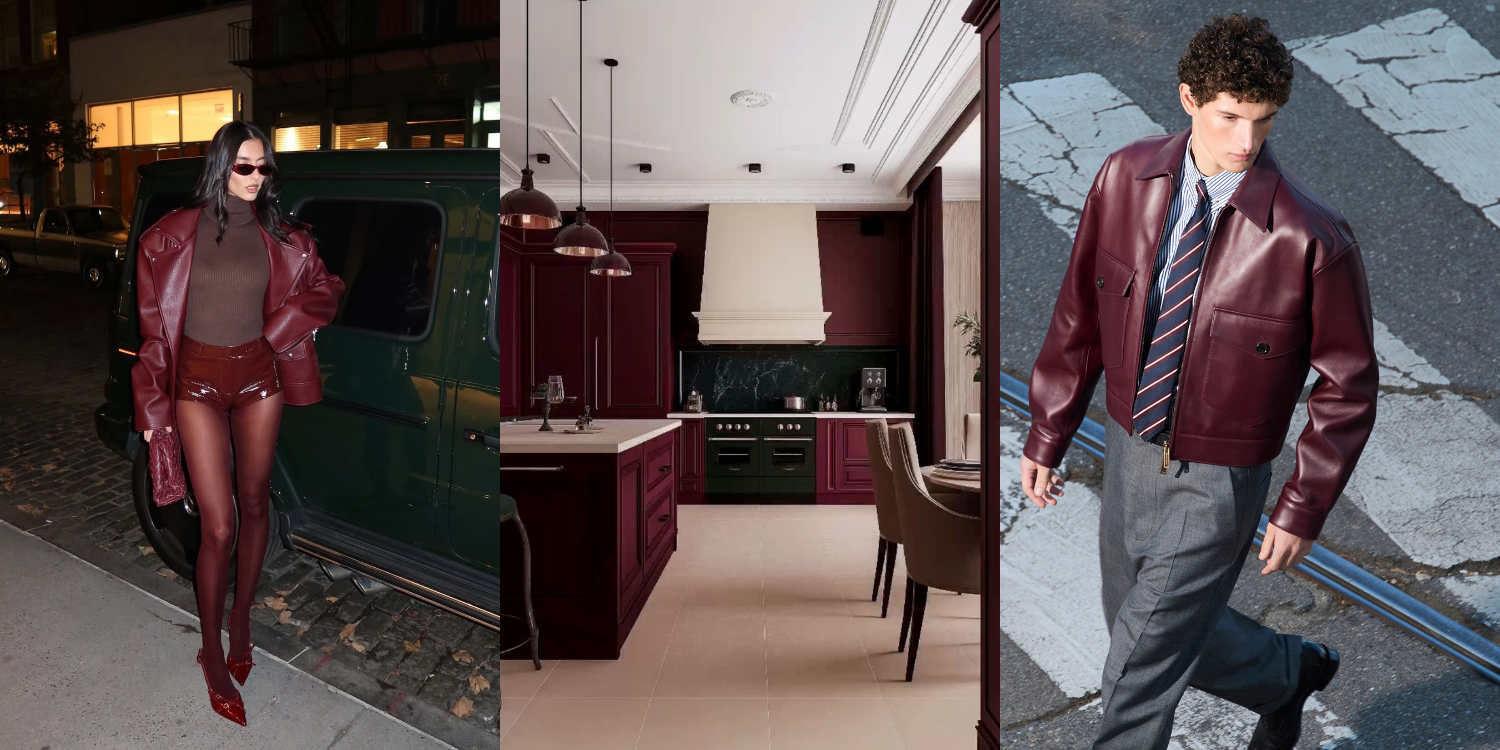
While butter yellow was the breakout fashion star, a broader and more pervasive color story was unfolding across the entire cultural landscape. The official "Color of the Year"—Mocha Mousse—along with a family of related caramel browns and warm neutrals, extended its influence far beyond the runway. These rich, grounding tones permeated beauty, interior design, and even lifestyle branding, creating a cohesive and calming aesthetic that defined the year.
In fashion, these hues were celebrated for their understated luxury. A head-to-toe look in varying shades of brown—from deep espresso to soft taupe—felt incredibly chic and expensive. These colors were versatile, working as a sophisticated alternative to black while offering more warmth and depth than traditional greys. A caramel-colored wool coat, a mocha-hued knit dress, or a pair of tan leather boots became essential building blocks of the 2025 wardrobe. They made outfits feel elevated without ever seeming like they were trying too hard.
The influence of this palette was seen in the beauty world as well. The "latte makeup" trend, with its warm brown eyeshadows, bronzed skin, and nude-brown lips, perfectly complemented the fashion of the moment. In homes, these colors created a sense of sanctuary and comfort. Walls were painted in soft, earthy tones, and furniture was upholstered in rich, inviting fabrics.
The widespread adoption of this color family spoke to a collective desire for stability and warmth. These were not demanding or difficult colors. They were reliable, comforting, and effortlessly elegant. Their ability to transcend categories and create a unified aesthetic was a defining characteristic of 202G, proving that sometimes the most powerful statements are also the most subtle.
7. Matching Sets Became Everyday Uniforms
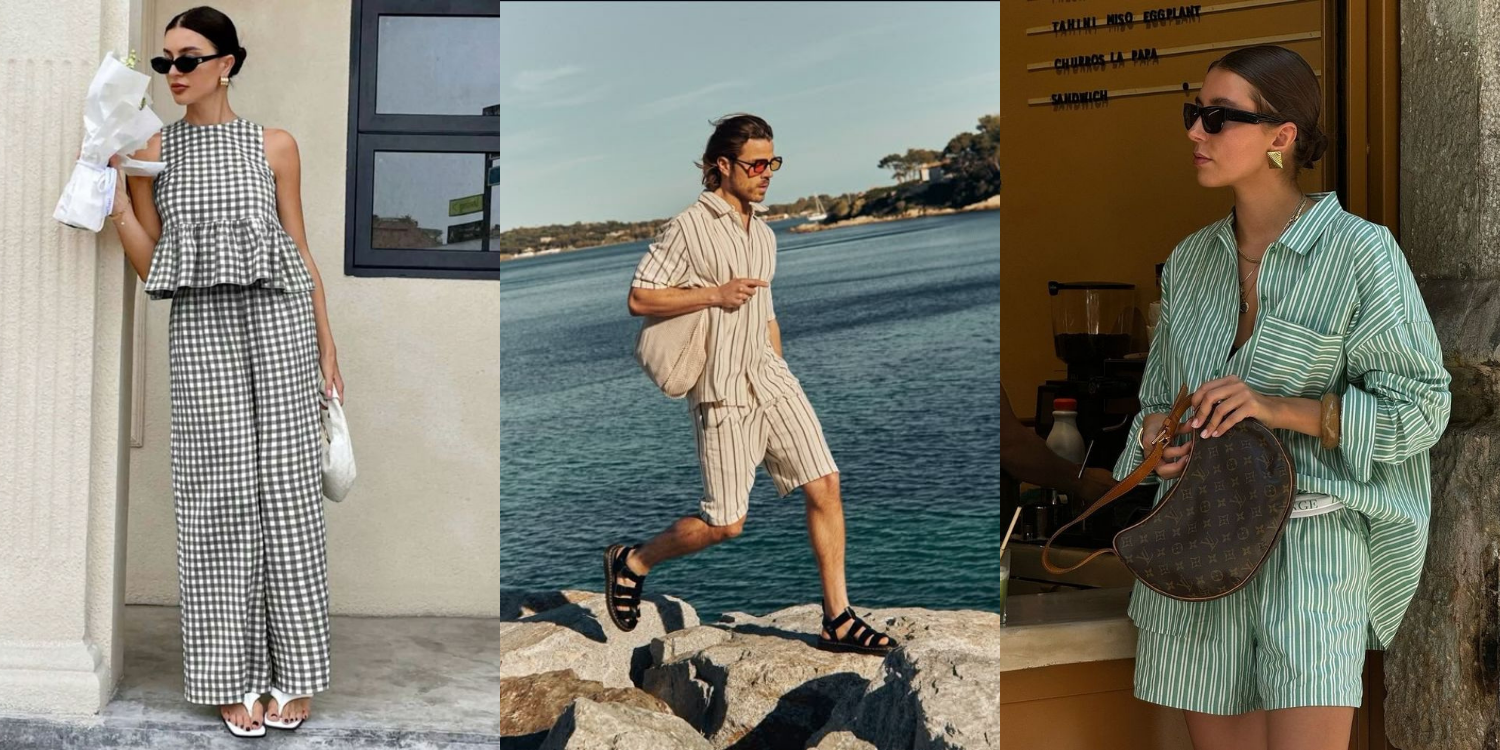
The matching set, or co-ord, has been on the fashion radar for several seasons, but 2025 was the year it solidified its place as a true wardrobe staple. Moving far beyond their origins as loungewear or athletic wear, knit sets, tailored co-ords, and printed two-pieces confidently stepped into all areas of public life. They became the ultimate solution for people who wanted to look polished and put-together with minimal effort.
The appeal of the matching set lies in its inherent completeness. It requires no thought or coordination. In a world where decision fatigue is a real and pervasive issue, the co-ord offered a welcome sense of ease. It delivered an instantly cohesive and stylish look, removing the guesswork from getting dressed. A ribbed-knit set with a long cardigan and matching wide-leg pants, for example, could be worn for a flight, a work-from-home day, or a casual dinner, always looking intentional and chic.
The versatility of these sets was another key factor in their success. Worn together, they created a powerful, monochromatic statement. But the pieces could also be separated and integrated into the rest of a wardrobe, effectively multiplying their value. The blazer from a tailored set could be worn with jeans, and the trousers could be paired with a simple silk camisole. This flexibility aligned perfectly with the year’s emphasis on hardworking, versatile clothing.
From sleek, minimalist versions in neutral tones to more playful iterations in stripes or micro-florals, the matching set became a kind of modern uniform. It was the answer to the age-old dilemma of wanting to look good without overthinking it, and in 2025, that was a proposition no one could refuse.
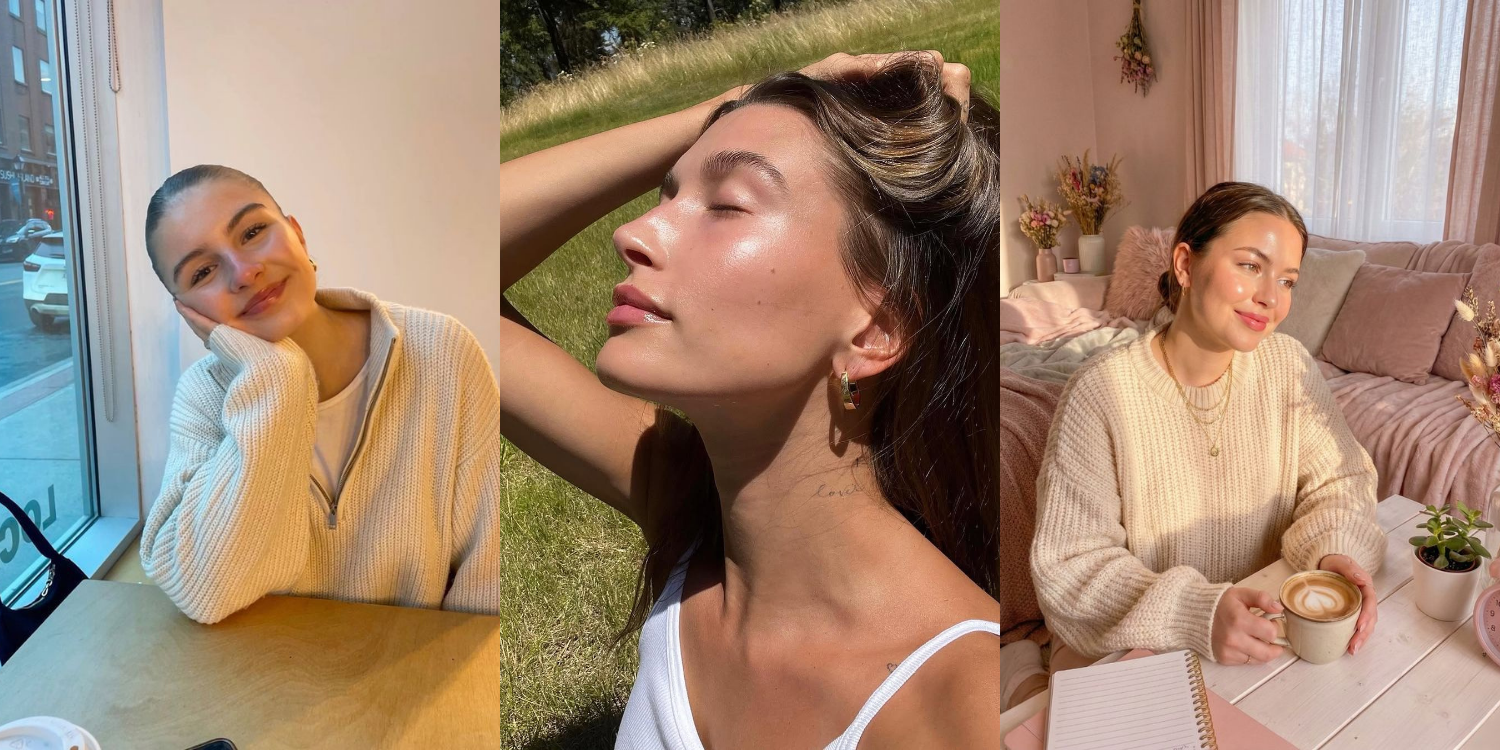
8. The Soft Glam Reset
Just as fashion embraced a new sense of ease, the world of beauty followed suit. 2025 marked a significant departure from the heavy, sculpted makeup looks of the past. The "Soft Glam Reset" was a collective move toward a more natural, radiant, and effortless aesthetic. Makeup became an extension of the outfit’s energy rather than a competing statement, with the focus shifting from transformation to enhancement.
The foundation of this look was clean, healthy-looking skin. Heavy, full-coverage foundations were replaced with tinted moisturizers, skin tints, and luminous concealers used only where needed. The goal was to let the natural texture of the skin show through. Contouring, with its sharp lines and dramatic shadows, gave way to soft-sculpting with cream bronzers and blushes that melted into the skin, creating a gentle, sun-kissed warmth.
Brows were brushed up and feathery, maintaining their natural shape rather than being carved into severe, overly defined arches. On the eyes, intricate, multi-step eyeshadow looks were traded for a simple wash of neutral color, a subtle shimmer on the lid, or a soft, smudged liner. Highlighter was used strategically to create a dewy, glass-like finish on the high points of the face, avoiding the glittery, metallic stripes of previous years. Lips were often finished with a hydrating balm, a tinted gloss, or a blotted-down satin lipstick.
This reset was about embracing a more relaxed and authentic vision of beauty. It aligned perfectly with the fashion shifts of the year, creating a harmonious overall look that felt modern, fresh, and approachable. It was beauty that looked and felt like you, just a little more polished.
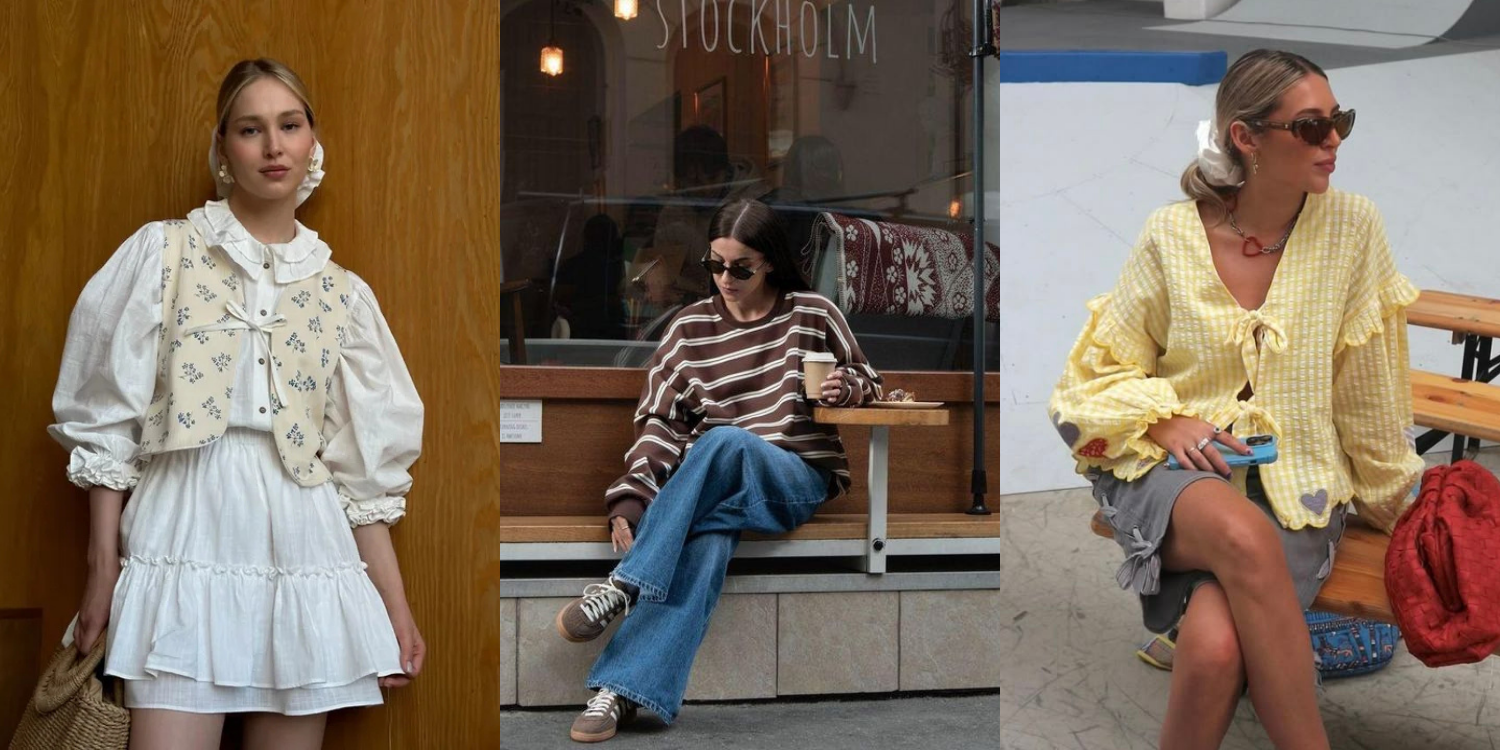
9. Minimal Prints Won the Scroll
In a digital landscape often dominated by loud, attention-grabbing visuals, a surprising shift occurred in 2025: minimal, refined prints won the battle for the scroll. Bold, chaotic patterns and oversized graphic prints took a backseat to classic stripes, delicate micro-florals, soft checks, and subtle geometric patterns. This was a move toward prints that were timeless, versatile, and easy on the eyes.
There were several reasons for this shift. Firstly, these minimal prints photographed beautifully. They did not distort on camera or overwhelm the wearer, making them perfect for the visual world of social media. Secondly, they had greater longevity. A classic Breton stripe or a subtle plaid jacket is not tied to a specific season or trend, making it a smarter long-term investment. This aligned with the broader consumer move toward buying fewer, better things.
These prints also worked harder within a wardrobe. They could be easily mixed with other patterns or worn as a subtle point of interest in an otherwise simple outfit. A pinstriped button-down shirt, a dress in a delicate floral print, or a checked blazer became workhorse pieces that could be styled in countless ways.
This was not an outright rejection of all bold patterns, but rather a preference for subtlety and intention. The prints that succeeded in 2025 were the ones that added a touch of personality without shouting. They were a reflection of a more considered and curated approach to dressing, where every element of an outfit felt thoughtful and purposeful.
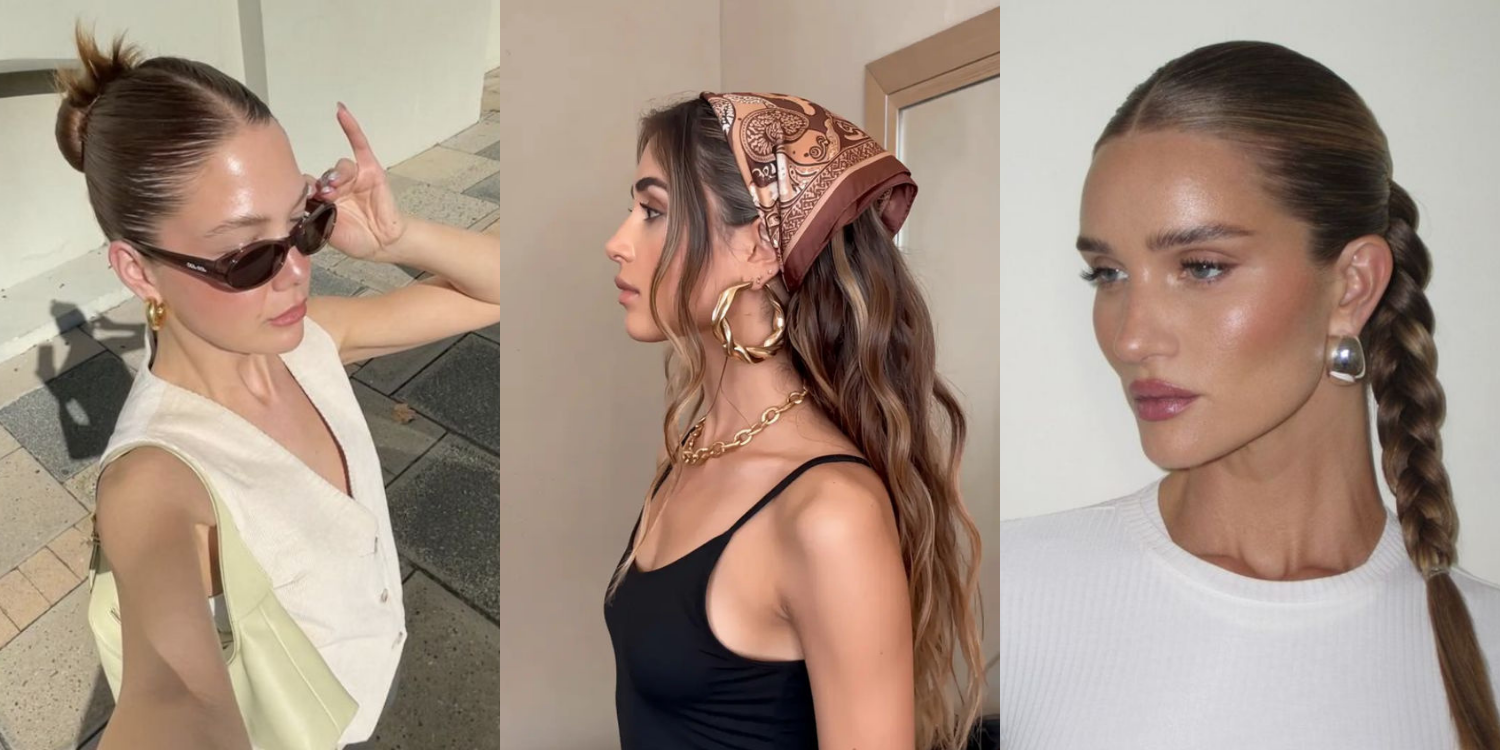
10. Hair Became Part of Styling
For years, hair was often treated as a separate entity from fashion, something to be dealt with before the real business of getting dressed began. In 2025, that changed. Hair stopped being an afterthought and became a fully integrated component of the styling process. It was treated with the same level of intention as the clothing and accessories, used to complete and enhance the overall look.
This was evident in the prevalence of specific, highly-polished hairstyles that complemented the fashion of the moment. The slick, low bun, often with a clean middle part, became a signature look. It was chic, minimalist, and practical, perfectly aligning with the year's tailored and streamlined silhouettes. It conveyed a sense of control and sophistication, pulling the entire look together.
On the other end of the spectrum were soft, polished waves. These were not the messy, undone beach waves of the past, but rather glossy, uniform waves that looked healthy and intentional. This style worked beautifully with the year’s more romantic and fluid pieces. Clean, sharp middle parts were almost universal, providing a sense of order and symmetry that felt distinctly modern.
The underlying theme was control. Whether the hair was slicked back or flowing in soft waves, there was a sense of polish and purpose. This shift demonstrated a holistic approach to getting dressed, where every element, from the jacket to the shoes to the hair, was considered part of a single, cohesive vision. In 2025, a great outfit was not truly complete until the hair was styled to match its energy.
The Bigger Picture: A New Era of Intention
When viewed together, these ten shifts paint a clear and compelling picture of fashion in 2025. What truly defined the year was not any single trend, but a collective mindset shift toward a calmer, smarter, and more personal approach to style. It was a year where people dressed for their real lives, not for an algorithm. The emphasis moved from the ephemeral to the enduring, from the spectacle to the substance.
The takeaway from 2025 is simple and powerful. Style is not about owning more; it is about wearing better. It is about understanding your own aesthetic, building a wardrobe that works for you, and finding joy in the creative act of getting dressed every day. The energy of the year was one of thoughtful curation and mindful consumption.
Saved. Styled. Worn again. That is the philosophy that shaped 2025, and it is the energy that will continue to move fashion forward.


.png)