
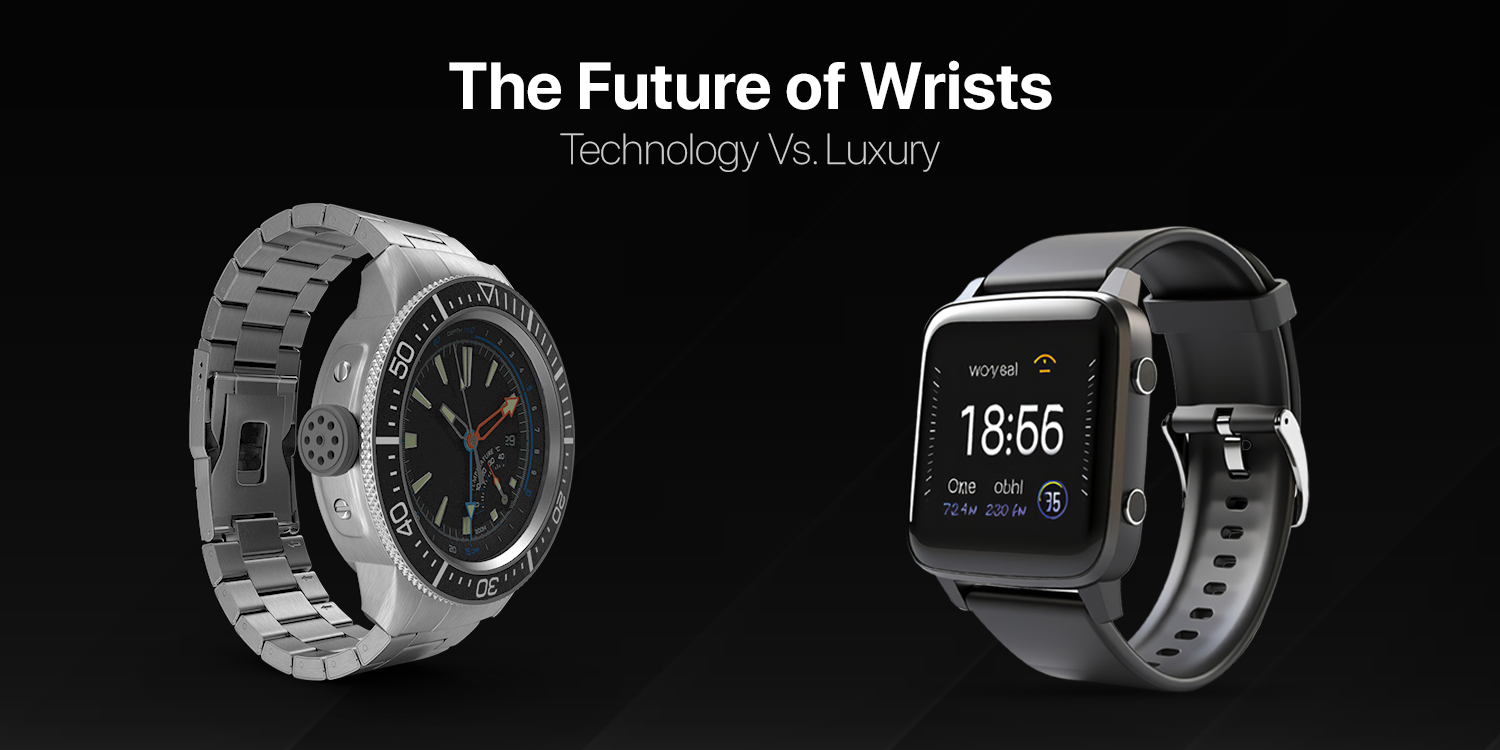
On one side is the relentless advance of technology. Brands like Apple, Oura, and Garmin are not just selling devices; they are selling insight. They offer a window into the inner workings of your body and behavior. These smartwatches track sleep cycles, heart rate variability, stress levels, movement patterns, and other biometrics you may not even consciously notice. They promise optimization, efficiency, and a new kind of control over your own life. Your wrist transforms into a personal dashboard, translating the messy reality of existence into clean data points and elegant graphs. The value proposition here is utility and self-knowledge—a promise to help you become a better, more efficient version of yourself.
On the other side stands the quiet, unshakeable authority of luxury. Cartier, Tiffany, Patek Philippe, and other heritage houses are not interested in your step count. Their watches are about lineage, craftsmanship, and a silent social language understood by those in the know. A Cartier Tank or a Patek Philippe Calatrava does not need to vibrate or send notifications. Its power lies in what it represents: taste, status, and permanence in a world of fleeting trends. It tells the world who you are, or who you aspire to be, without saying a word.
The tension between these two worlds is what makes this moment so fascinating. Technology craves the emotional resonance of luxury. Luxury needs the relevance of technology to stay current. And both want to live on your wrist. This has led to a growing crossover space where smartwatches are paired with luxury straps, and heritage brands experiment with subtle technological innovations. The line between a functional object and a cultural symbol is blurring, forcing us to re-evaluate what we want from the objects we carry. The real question is not which one is better, but what you want your wrist to say about you. Do you value awareness or authority? Data or legacy? Progress or permanence? Or, like many today, are you choosing to have both? The future of wrists is not about telling time; it is about telling a story.
The Wrist as a Personal Dashboard: The Rise of Smartwatches
The journey of the smartwatch from a niche gadget for tech enthusiasts to a ubiquitous accessory has been remarkably swift. Early iterations were clunky, with limited functionality and questionable aesthetics. They were tools, not statements. The true revolution began when technology companies realized that to win the wrist, they needed to sell more than just features. They needed to sell an idea.
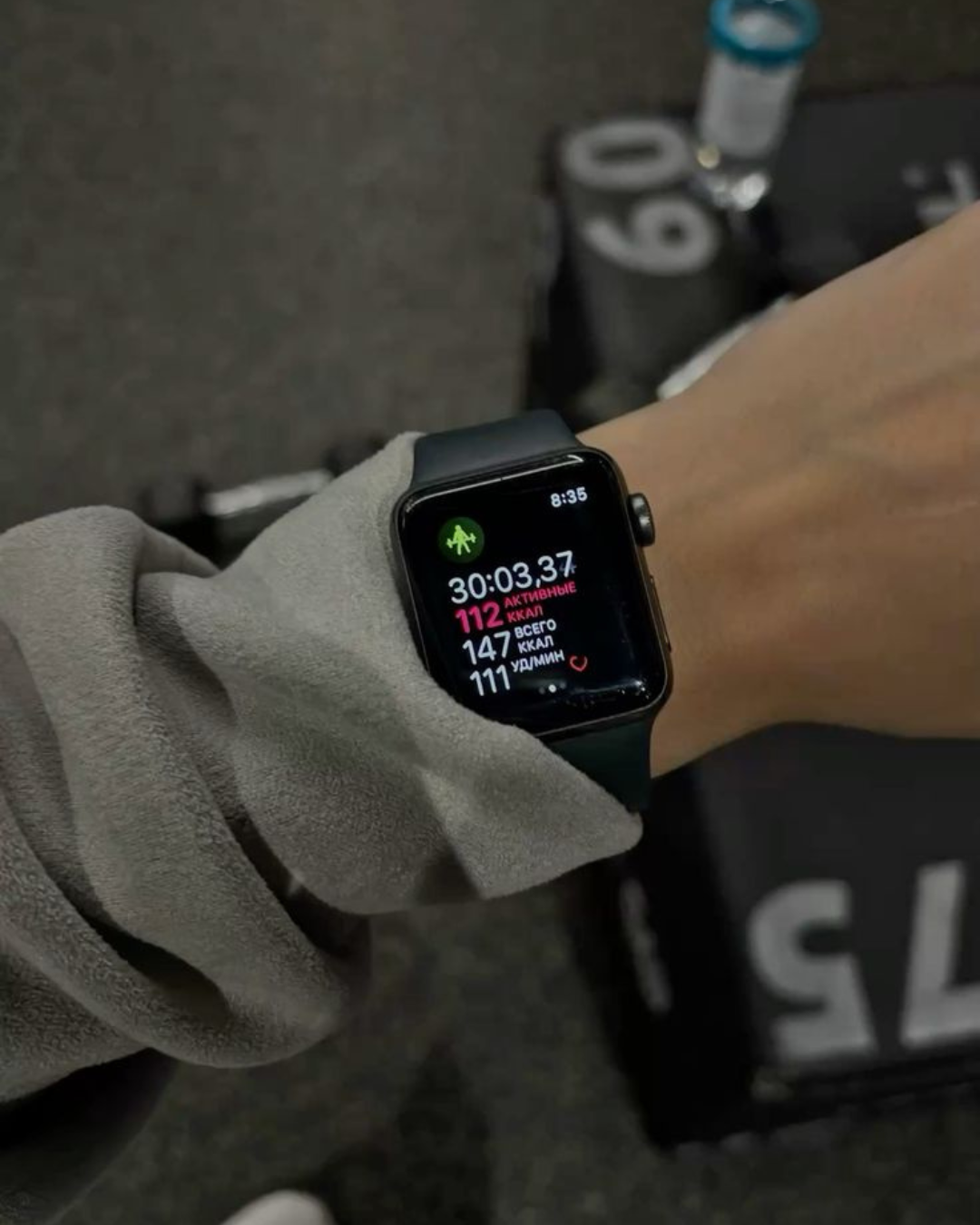
That idea was self-optimization. The promise of wearable technology is rooted in the belief that with enough data, we can engineer a better life. Brands like Apple and Oura have masterfully marketed their devices not as mere extensions of your smartphone, but as personal wellness coaches. They offer to quantify your sleep, measure your stress, and track your fitness, providing a detailed portrait of your daily habits. This data-driven approach appeals to a deep-seated modern desire for control and self-improvement.
The Apple Watch, in particular, has become a masterclass in this philosophy. It has seamlessly integrated itself into the daily lives of millions, acting as a communication hub, a digital wallet, a fitness tracker, and a health monitor. Its value is not in any single function, but in its aggregate utility. It reduces the friction of modern life. It promises a more efficient, streamlined existence.
However, this constant stream of data comes with its own set of anxieties. The pressure to perform—to hit your step goal, to achieve a certain amount of deep sleep, to keep your stress levels low—can become a new source of stress. What was intended to be a tool for self-knowledge can morph into a source of self-judgment. The personal dashboard can feel less like a helpful guide and more like a demanding boss. This has led to a growing conversation about digital wellness and the importance of disconnecting from the very devices designed to improve our well-being. The promise of control can, paradoxically, make us feel less in control.

The Enduring Allure of Legacy: Luxury Watches as Cultural Symbols
While technology races forward, the world of luxury watches remains anchored in the past. In this realm, innovation is measured in decades, not months. The value of a timepiece from a house like Rolex or Audemars Piguet is not derived from its features, but from its history, its craftsmanship, and its cultural significance.
A luxury watch is a story. It is the story of the artisans who spent hundreds of hours assembling its intricate movement by hand. It is the story of the brand's heritage, its association with pioneering explorers, legendary race car drivers, or iconic film stars. When you wear a Patek Philippe, you are not just telling time; you are participating in a legacy. You are connecting yourself to a lineage of excellence and taste that transcends fleeting trends.
The power of these watches lies in their silence. They do not buzz, beep, or display notifications. Their function is secondary to their form. A Cartier Tank, with its clean lines inspired by World War I military tanks, is an icon of minimalist design. It is a piece of art that happens to tell time. Its value is not in its accuracy—a cheap quartz watch is far more precise—but in its aesthetic and cultural authority. It is a symbol of sophistication, a quiet signal to others who understand its language.
However, the world of luxury watches is not without its challenges. It can be seen as old-fashioned, exclusive, and out of touch with the values of a younger generation that often prioritizes experiences over possessions. The industry has had to grapple with how to remain relevant in a world where the most coveted object on a wrist might be a smartwatch.
The Battle for the Wrist: Where Utility Meets Status
The contemporary wrist has become a fascinating battleground where two fundamentally different value systems collide. On one side, you have the data-driven world of smartwatches, which prioritizes utility, efficiency, and self-knowledge. On the other, you have the heritage-driven world of luxury watches, which values craftsmanship, legacy, and social status. This tension has forced both industries to evolve and has created a dynamic space for personal expression.
The smartwatch industry quickly realized that to achieve mass appeal, it needed to be more than just a functional gadget. It needed to become a fashion accessory. Apple led the charge, offering the Apple Watch in a variety of materials and colors, and collaborating with luxury brands like Hermès to create exclusive straps. This move was a clear signal that they understood the importance of aesthetics and personal style. The goal was to transform the Apple Watch from a piece of technology you have to wear into a piece of jewelry you want to wear. This has created a new market for "watch-drobe," where users can change their watch bands to match their outfits, moods, or occasions.
.png)
At the same time, the luxury watch industry has been forced to acknowledge the rise of wearable technology. While most heritage brands have resisted the temptation to create their own smartwatches, they have started to innovate in more subtle ways. Brands like IWC have experimented with smart straps that add connectivity to a traditional mechanical watch. Others, like TAG Heuer, have embraced the smartwatch concept more fully, creating high-end connected watches that blend Swiss watchmaking traditions with modern technology.
This crossover has led to a fascinating new trend: the "double-wristing" phenomenon. It is no longer uncommon to see someone wearing a luxury watch on one wrist and a smartwatch or fitness tracker on the other. This seemingly contradictory choice speaks to a modern desire to have it all. It is a way of saying, "I value both legacy and progress. I appreciate both craftsmanship and data. I am interested in where I come from and where I am going." It is a visual representation of the hybrid nature of modern identity.
This has also opened up new avenues for sustainability in the watch industry. The secondary market for pre-owned luxury watches is booming, driven by a desire for unique pieces with a history. This circular approach to consumption aligns with the values of a younger generation that is increasingly conscious of its environmental impact. A vintage watch is not just a style statement; it is a sustainable choice.
Conclusion: Telling Your Story, One Wrist at a Time
The wrist has evolved from a simple time-telling surface into a complex canvas for self-expression. It is a space where the competing forces of technology and tradition, data and legacy, progress and permanence play out in real time. The battle between smartwatches and luxury watches is not a zero-sum game. It is a reflection of the multifaceted nature of modern life.
The rise of wearable technology has given us unprecedented insight into our own bodies, promising a future of optimized health and efficiency. It has turned our wrists into personal dashboards, empowering us with data to make more informed choices about our well-being. It speaks to our desire for control, progress, and self-improvement.
The most interesting developments are happening in the space between these two worlds. The hybridization of style and function—the luxury smartwatch, the smart strap on a mechanical watch, the practice of double-wristing—shows that we are no longer being forced to choose between the two. We can embrace both.
Ultimately, what you choose to wear on your wrist is a personal decision. It is a reflection of your priorities, your aspirations, and the story you want to tell. Do you want your wrist to speak of your commitment to health and fitness? Your appreciation for art and design? Your professional success? Your connection to family history?
The future of wrists is not just about telling time. It is about telling your story. And in a world of endless possibilities, the story you choose to tell is entirely up to you.


.png)