

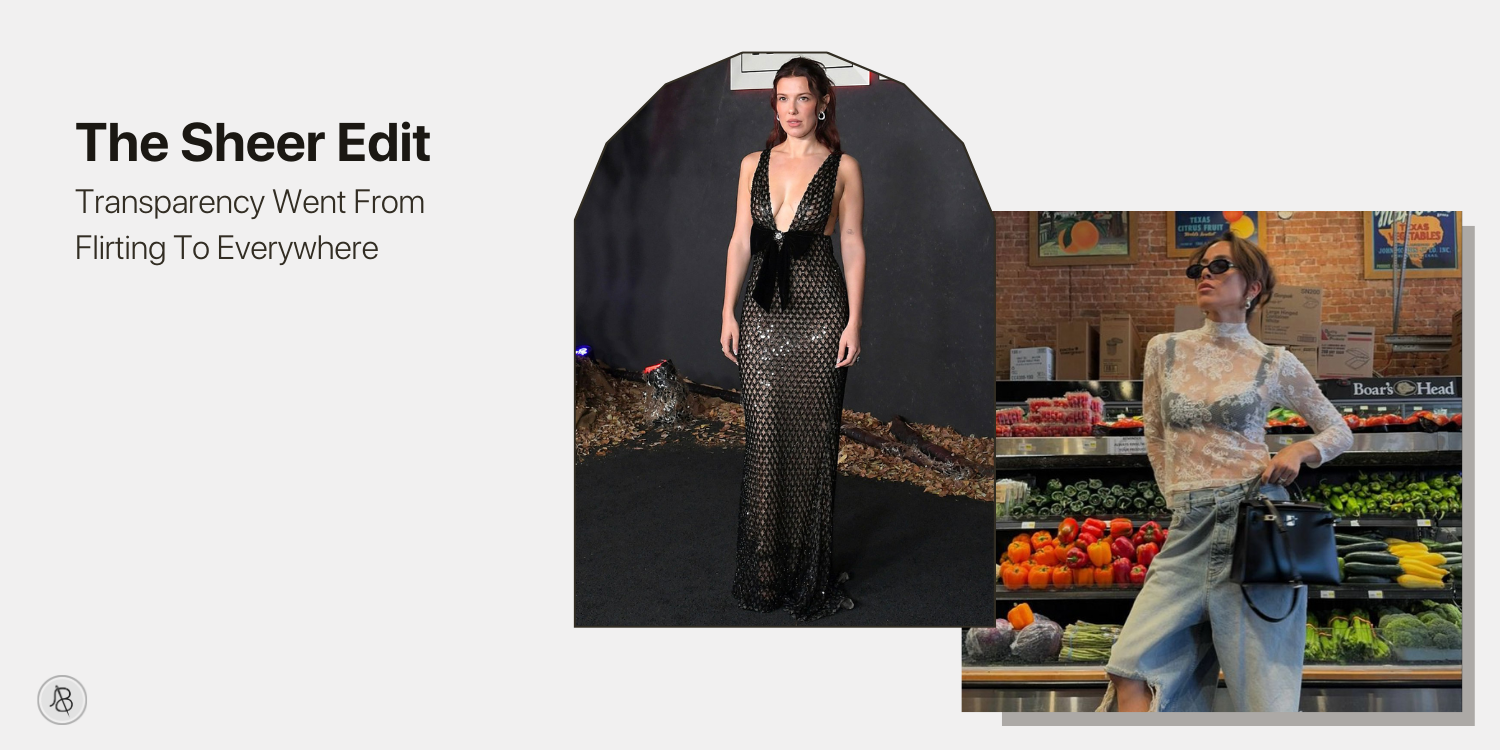
Fashion has a way of taking what was once hidden and pushing it into the spotlight. For decades, transparency was the currency of the night. It belonged to dimly lit rooms, evening galas, and the private sanctity of the boudoir. To wear something sheer was to make a specific kind of statement—one laced with provocation, romance, or rebellion. It was an aesthetic reserved for moments when the rules of daytime propriety had been suspended.
But looking around the landscape of modern style, that boundary has dissolved. Sheer fashion has officially moved beyond nightlife and occasion wear. What was once the uniform of the after-party has seamlessly integrated into the morning coffee run, the creative office, and the weekend brunch. Translucent shirts, mesh tops, and lightweight, see-through layers are now worn in the stark light of day without hesitation.
This shift marks a fundamental change in how transparency is perceived. It is no longer about the shock of exposure; it is about the nuance of texture. It is a move away from performative sexiness toward a more intellectual, layered approach to dressing. The sheer trend has normalized itself, becoming as much a staple as denim or leather. It is the defining texture of a generation that values honesty, fluidity, and the confidence to be seen.
This is the Sheer Edit. It is an exploration of how we stopped hiding and started styling.
From Nightwear to Daylight: The Great Migration
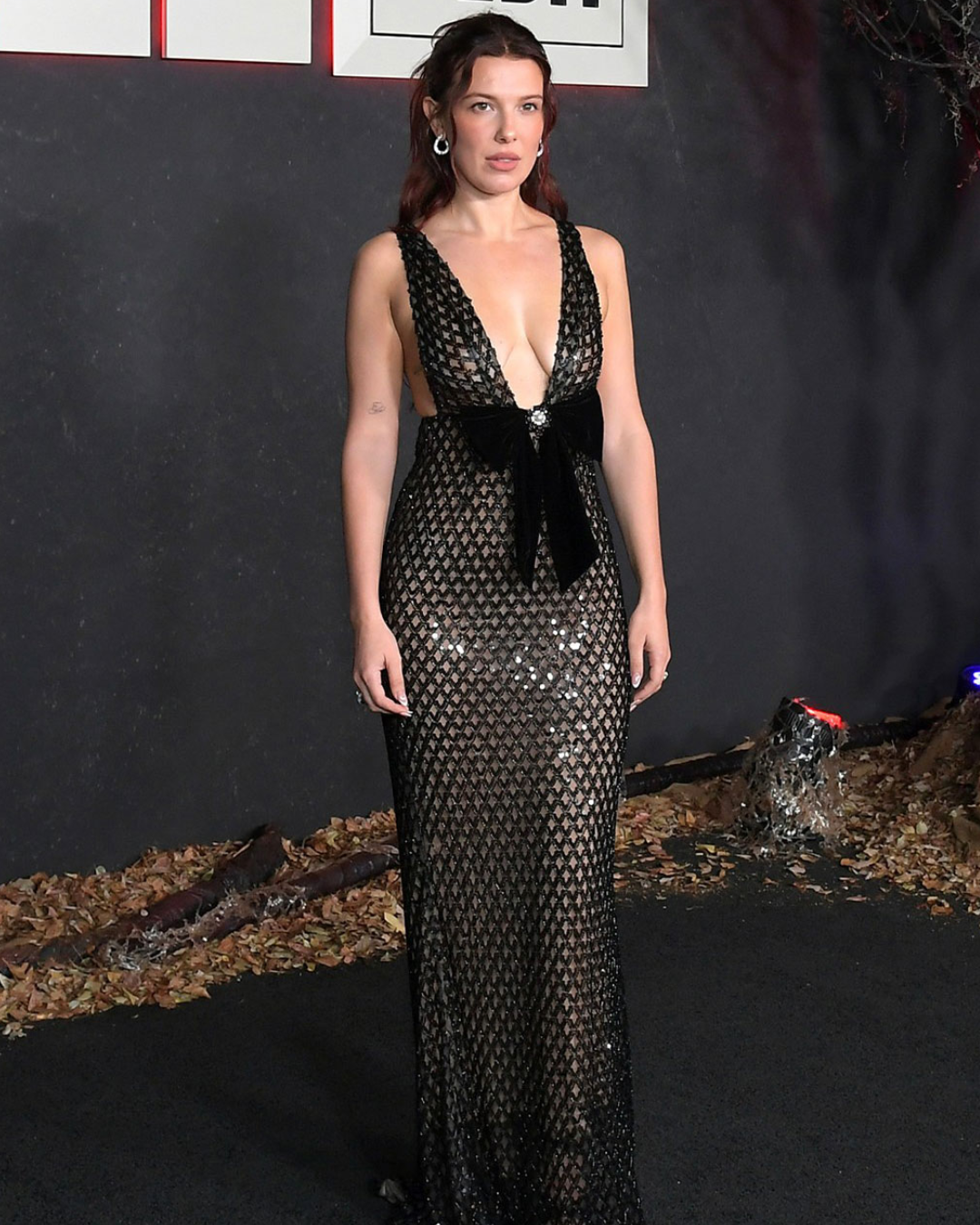
To understand why sheer feels so relevant right now, we have to look at where it came from. Historically, sheer fabrics—chiffon, lace, tulle—were markers of fragility and intimacy. They were delicate materials that required care and protection, much like the restrictive ideals of femininity they often represented. In the 20th century, sheer became a tool of subversion. From the punk movement’s ripped fishnets to the grunge era’s slip dresses, transparency was used to disrupt the status quo. It was aggressive. It was loud.
This migration is partly due to the relaxation of dress codes. The rigid walls between "work clothes" and "going out clothes" have crumbled. In a world where remote work and flexible hours blur the lines of our schedule, our wardrobes have followed suit. A sheer shirt worn with a camisole and a blazer is now perfectly acceptable in many professional environments. It adds a dimension of lightness to corporate structures that can often feel heavy and monotonous.
Furthermore, the daylight reveals the true beauty of these fabrics. In the dark, sheer is about silhouette and shadow. In the sun, it is about color, light, and depth. The way a pale blue organza catches the morning light creates a visual experience that nightlife simply cannot offer. By bringing these fabrics into the day, we have unlocked their full aesthetic potential. We have turned transparency into a medium for art, rather than just a vehicle for skin.
The Normalization of Exposure
There was a time when seeing a bra strap or the outline of a torso through a shirt would have elicited a gasp. Today, it barely registers a glance. This is the normalization of exposure. But do not mistake this for carelessness. The modern approach to sheer is not about an accidental wardrobe malfunction; it is about a deliberate embrace of the human form.
However, this normalization has brought with it a new kind of sophistication. Because sheer is no longer shocking, it has to be stylish. It has to work harder. A sheer top can no longer rely on the fact that it is see-through to carry the outfit. It needs interesting seams, a unique hue, or a compelling shape. The novelty of nudity has worn off, leaving behind a genuine appreciation for the fabric itself.
This normalization also speaks to a broader acceptance of diverse bodies. For a long time, sheer was marketed exclusively to a very specific, very narrow body type. The implication was that you could only reveal what was deemed "perfect" by industry standards. That narrative is being rewritten. Today, sheer is for everyone. We see it on all sizes, all genders, and all ages. It has become a tool for body neutrality—a way of saying, "This is my body, it exists, and I am dressing it with creativity." The democratization of sheer is perhaps its most important victory. It has taken a trend rooted in exclusion and turned it into a canvas for universal expression.
Confidence Is the Real Fabric
If you strip away the tulle and the mesh, the core material of this trend is confidence. This movement is not driven by the desire for external validation. It is driven by internal intention. Modern sheer dressing is about wearing visibility with a sense of ownership.
The difference between a sheer outfit that looks messy and one that looks chic is the attitude of the wearer. When you wear transparency, you are removing the armor that heavy fabrics provide. You are arguably more vulnerable. To do this casually, on a Tuesday morning, requires a self-assurance that is palpable. It signals that you are comfortable in your skin, quite literally.
This confidence also manifests in how we handle the "under" layers. In the past, the goal was often to make the undergarments disappear—to find the perfect nude bra that would vanish. Now, the underlayer is part of the outfit. A contrasting black bralette under a neon mesh top is a design choice. A silk camisole under a sheer blouse adds texture. We are not hiding the mechanics of the outfit. We are highlighting them. This transparency about the construction of the look mirrors the transparency of the fabric. It is an honest way of dressing. It says, "I have nothing to hide, not even my laundry day bra."
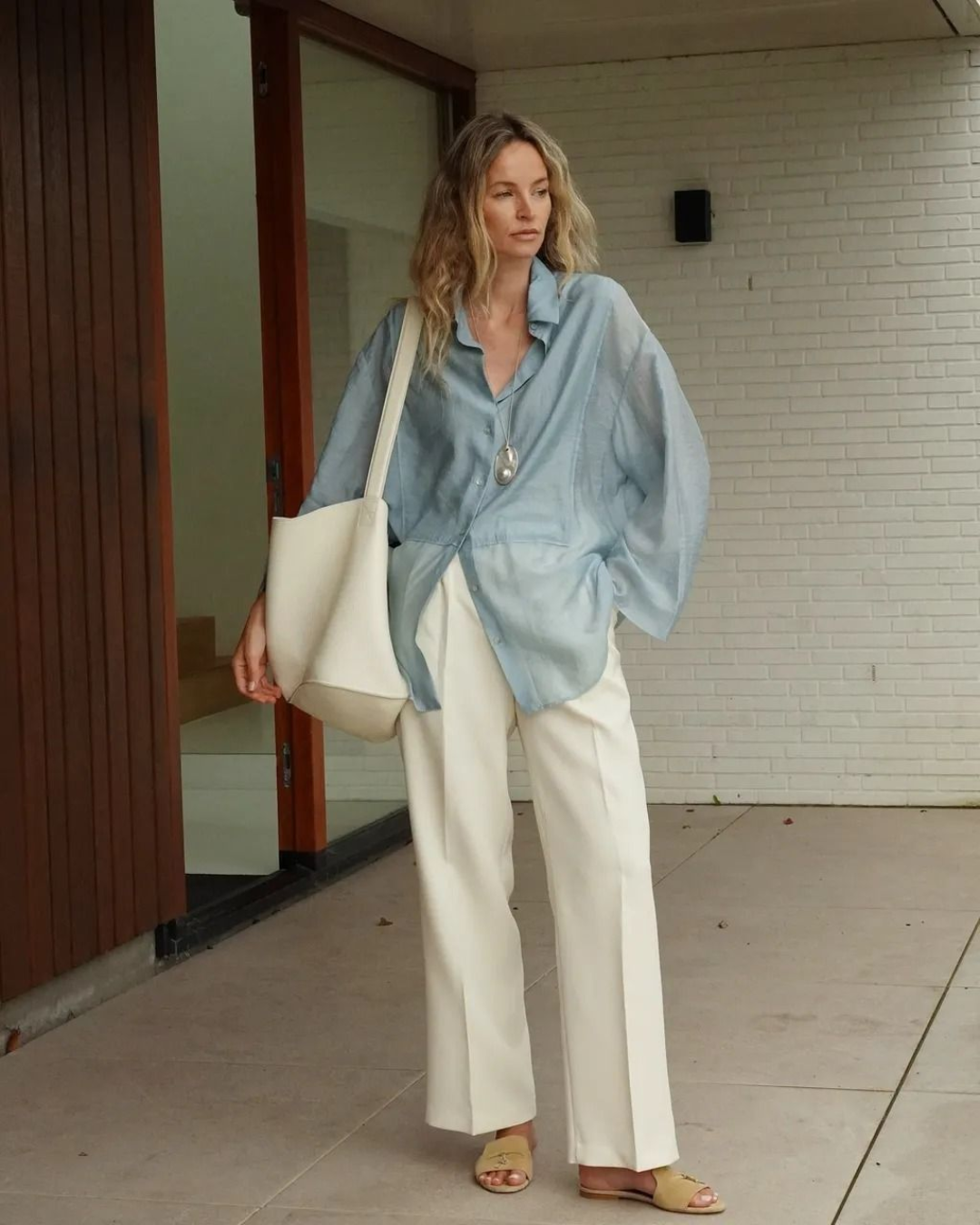
The Office Edit: Navigating Transparency at Work
The final frontier for sheer was the workplace, and that wall has effectively been breached. However, navigating transparency in a professional setting requires a mastery of the "imbalance" discussed earlier.
The key to office sheer is opacity ratios. If the top is sheer, the bottom must be solid and substantial. A sheer silk blouse is perfectly appropriate when tucked into high-waisted, wide-leg wool trousers. The volume and weight of the trousers ground the ethereal nature of the top.
Undergarments in the office must be substantial. This is not the place for the lacy bralette. This is the place for the sleek, full-coverage camisole or the high-neck bodysuit. By creating a solid base layer, the sheer top becomes a textural element rather than a revealing one. It becomes about the sheen of the fabric and the way it drapes, rather than what is underneath.
Ultimately, wearing sheer to work is a power move. It shows a command of style and a confidence in one’s professional presence. It suggests that you are not bound by outdated rules of "modesty," but rather guided by modern rules of style. It brings a human element into the corporate space.
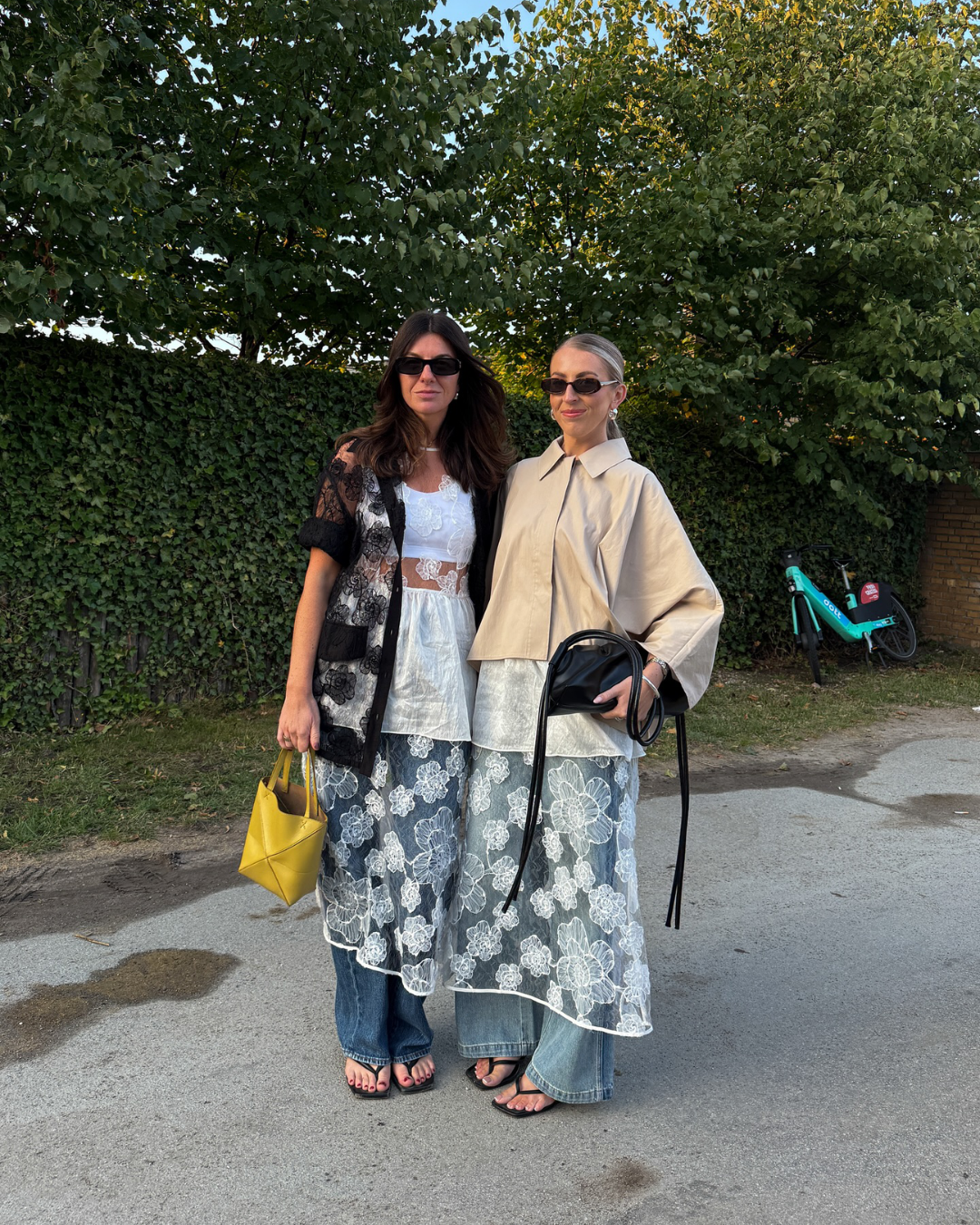
The Art of Layering: Building the Look
The true genius of the sheer trend lies in its versatility as a layering tool. If sheer were only about wearing a single see-through layer, it would be a limited trend. But sheer is a multiplier. It adds depth, complexity, and dimension to everything it touches.
Layering is how we take the ephemeral nature of sheer and ground it in reality. It is the bridge between the runway and the sidewalk.
Mesh Over Tanks
This is the entry-level sheer move, and it remains one of the most effective. Taking a simple, ribbed white tank top and layering a long-sleeved, printed mesh top over it instantly transforms a basic look into something editorial. The mesh acts like a filter or a glaze in a painting. It alters the color and texture of the skin and the fabric underneath without obscuring them. It adds a pattern or a tint while keeping the silhouette streamlined. This is perfect for the transitional weather of spring or autumn, adding warmth without bulk.
Organza Over Crisp Shirts
This is the advanced class in texture. Wearing a sheer, voluminous organza blouse over a crisp, button-down cotton shirt creates a fascinating interplay of hard and soft. The structure of the cotton shirt provides a framework, while the organza adds a halo of softness and luxury. This works exceptionally well in monochromatic palettes—a white organza over a white cotton shirt creates a ghostly, ethereal effect that is incredibly modern. It turns standard office wear into architectural art.
Sheer Skirts and Trousers
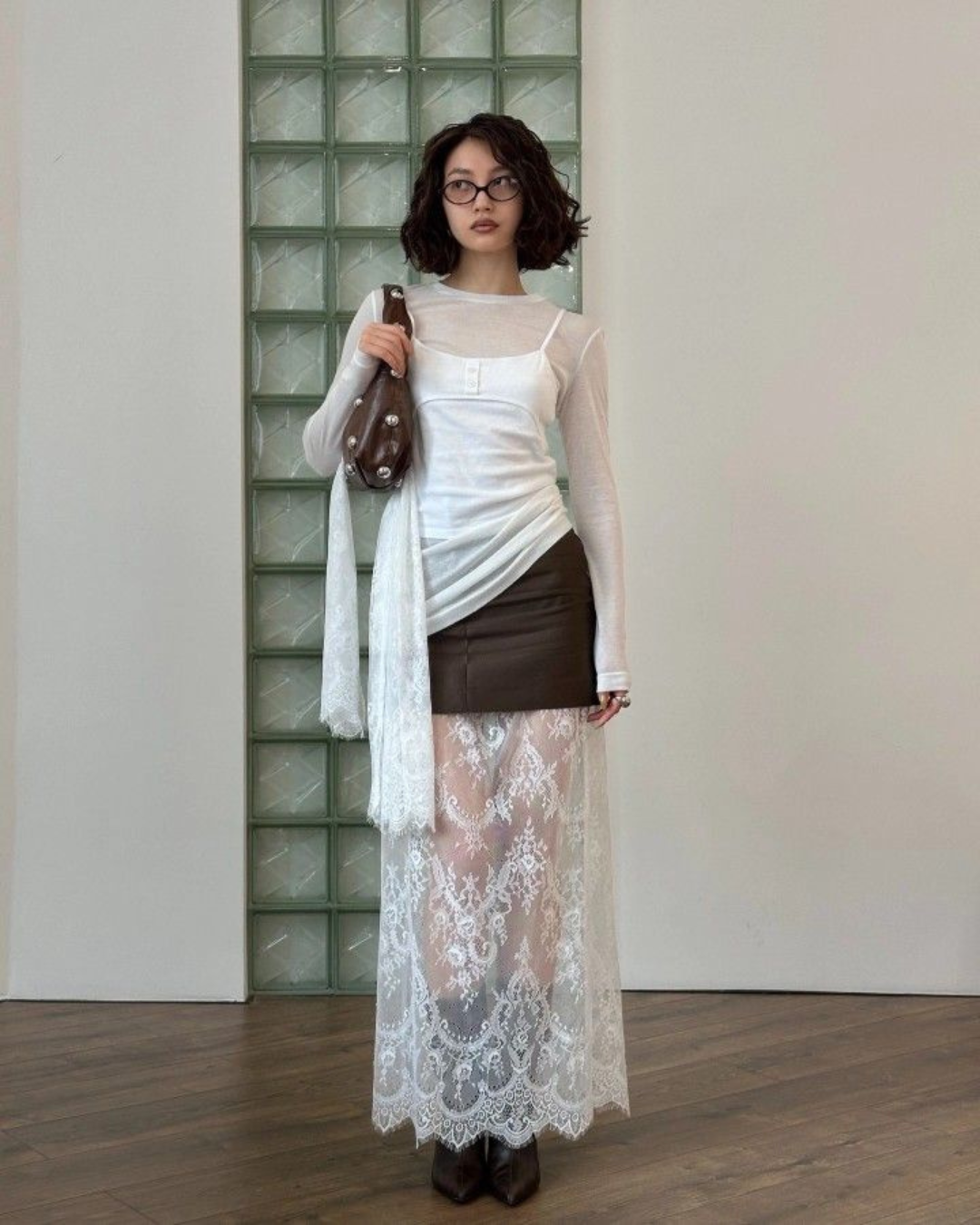
The sheer trend has moved south, taking over skirts and trousers. A sheer tulle skirt worn over jeans is a nod to early 2000s eclecticism, but refined for 2026. It adds movement and drama to the utilitarian nature of denim. Alternatively, wearing a sheer skirt over a tailored bodysuit or high-waisted briefs creates an evening look that feels elegant rather than exposed. The key here is the length and volume. A long, flowing sheer layer creates a beautiful kinetic energy as you walk, trailing behind you like a shadow.
The "Sandwich" Technique
This involves trapping a sheer layer between two opaque layers. For example, a sheer turtleneck worn under a blazer but over a bra top. You only see hints of the sheer fabric at the neck and cuffs, or perhaps in the V of the blazer. This is a subtle way to incorporate the trend. It adds a moment of fragility to a structured outfit. It softens the tailoring and makes the suit feel less rigid.
Layering adds control. It allows the wearer to dictate exactly how much is revealed and how much is concealed. It turns transparency into a dial that can be turned up or down depending on the environment and the mood. Sheer works best when it is built, not just worn. It requires a stylist's eye to balance the weights and opacities, making the act of getting dressed a creative exercise.
Why Sheer Matters Right Now: The Honesty of Fashion
Why has this happened now? Why, in 2026, are we so obsessed with seeing through our clothes? The rise of sheer reflects a larger movement in fashion toward honesty.
For a long time, fashion was about construction and illusion. It was about padding, boning, and heavy fabrics designed to reshape the body into an ideal form. It was about creating a facade. The sheer trend is the antithesis of that. It reveals the body as it is. It reveals the layers underneath. It is a rejection of the "perfect" image in favor of the real image.
This aligns with a generation that values authenticity above all else. We want transparency in our politics, in our food sourcing, and in our business practices. It makes perfect sense that we want transparency in our aesthetics. We are tired of the PR gloss. We are tired of the heavily filtered, heavily edited presentation of self. Sheer clothing offers a kind of visual truth.
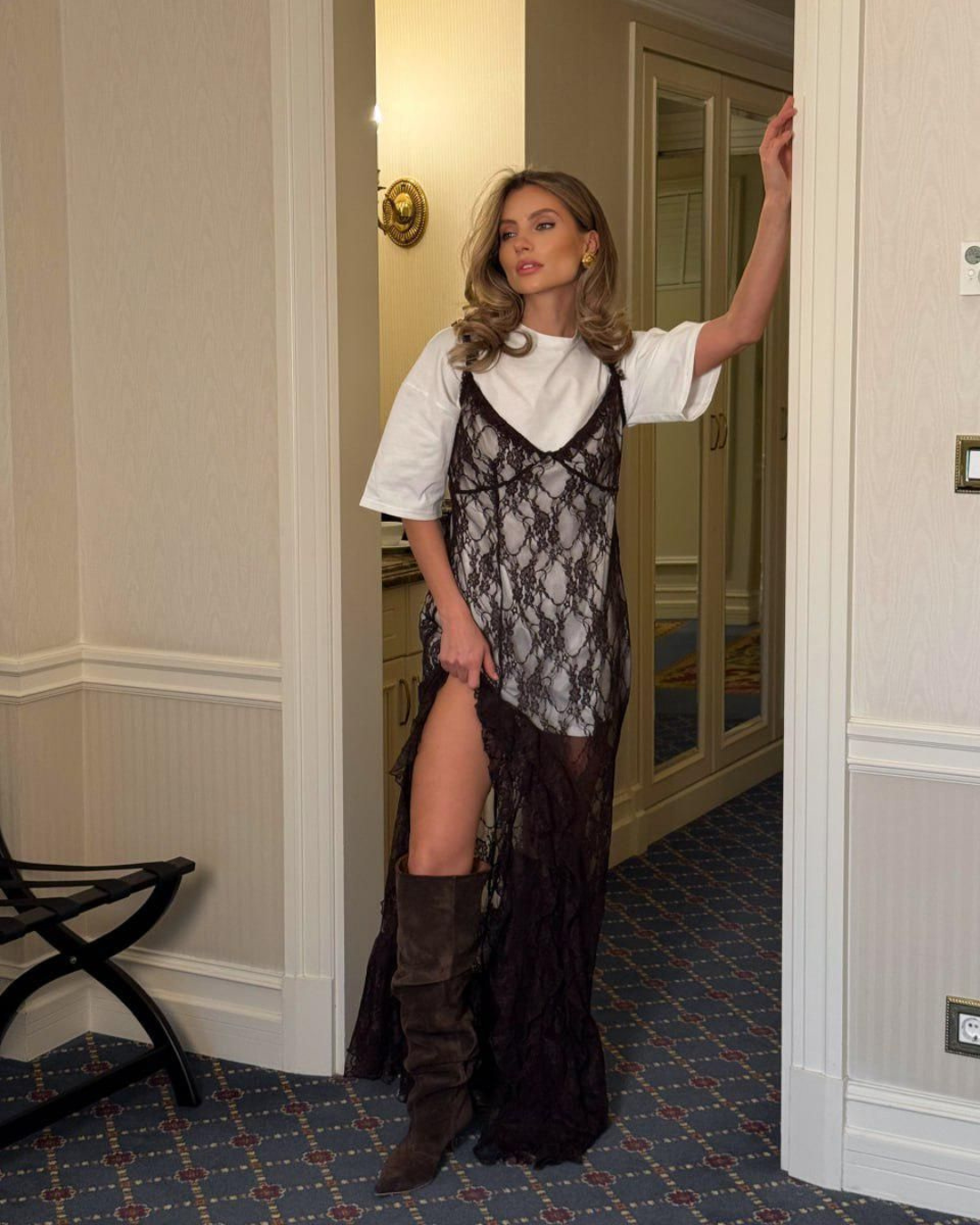
Furthermore, sheer fashion encourages a more sustainable relationship with our wardrobes. Because sheer pieces are often layering pieces, they breathe new life into old garments. That slip dress you’ve worn a dozen times looks entirely different with a mesh top underneath it. That blazer feels new when paired with an organza shirt. Sheer pieces are additives; they extend the lifespan of the opaque clothes we already own. They encourage us to shop our own closets and reimagine what is already there.
There is also an element of lightness to consider. The world can feel heavy. The news cycle, the economic pressure, the climate anxiety—it adds up. Dressing in light, airy, translucent fabrics is a subconscious rejection of that weight. It is a way to feel unencumbered. To move through the world with less resistance. There is a psychological relief in wearing something that feels like almost nothing.
The Takeaway: A Permanent Shift
Sheer is no longer flirting with fashion. It has fully arrived. It has unpacked its bags and moved into the master bedroom. This is not a micro-trend that will vanish in a season. The integration of transparency into everyday wear is a permanent shift in the lexicon of style.
It represents a move away from binary dressing—sexy vs. modest, night vs. day, male vs. female. Sheer exists in the grey areas. It is fluid. It is adaptable. It allows us to be many things at once.
The Sheer Edit is about reclaiming the narrative of our own bodies. It is not about being bold for the sake of attention. It is about being intentional, confident, and in control of how you show up. It is about looking in the mirror and seeing depth, texture, and light.
As we move forward, we can expect to see sheer fabrics becoming even more technical and sustainable. We will see recycled nylons and biodegradable meshes becoming the norm. We will see transparency integrated into sportswear and outerwear in innovative ways. The future of fashion is clear—literally.
Styling With Clarity: BeSpoke AI Stylist
Navigating the world of sheer can be intimidating. The line between "chic" and "overexposed" is thin, and finding the confidence to walk that line takes practice. It requires a second opinion that understands not just the trend, but you.
This is where BeSpoke AI Stylist steps in.
We understand that adopting a trend like everyday sheer isn’t just about buying a mesh top; it’s about knowing how to integrate it into your existing life. BeSpoke AI Stylist eliminates the guesswork. Our algorithms analyze your current wardrobe to suggest the perfect layering partners for your new sheer pieces. We don't just tell you what to buy; we show you how to wear it.
Whether you are looking for the perfect camisole to make a runway look office-safe, or trying to figure out how to layer a tulle skirt for a casual brunch, BeSpoke AI Stylist provides personalized, precise recommendations. We help you balance the opacity, manage the proportions, and master the textures.
Fashion without the confusion. Style without the anxiety. BeSpoke AI Stylist is your partner in clarity, helping you embrace the Sheer Edit with the confidence of an insider. Because when you know exactly how to style it, transparency becomes the most empowering thing you can wear.
Follow BeSpoke AI Stylist for real industry shifts.