

There is a distinct rhythm to the fashion industry. Usually, it beats to the drum of viral moments—the loud crashes of controversial runway stunts, the frantic tempo of drop culture, and the high-pitched frequency of social media trends that burn bright and fade within hours. For the better part of the last decade, the industry has been obsessed with noise. Visibility was the only metric that seemed to matter. If you weren’t trending, you weren’t existing. But every so often, the rhythm changes. The tempo slows, the volume drops, and the melody becomes deliberate, calculated, and precise.
This week was one of those moments.
Across the global landscape—from the couture ateliers of Paris to the bustling retail avenues of India, from the heritage stadiums of England to the beauty counters of New York—fashion stopped shouting and started thinking. The headlines weren’t about who wore what to a scandalous after-party or which brand broke the internet with a meme. Instead, the focus shifted to the boardroom, the strategy deck, and the long game. We saw significant leadership resets, the establishment of new aesthetic foundations, and partnerships designed for decades of loyalty rather than days of likes.
It was a week where operational discipline trumped creative chaos, and where the industry collectively decided that sustainable growth is far more stylish than fleeting hype. For the modern fashion enthusiast, this shift is crucial. It signals that the brands you love are no longer just trying to grab your attention; they are trying to earn your loyalty through coherence, clarity, and control.
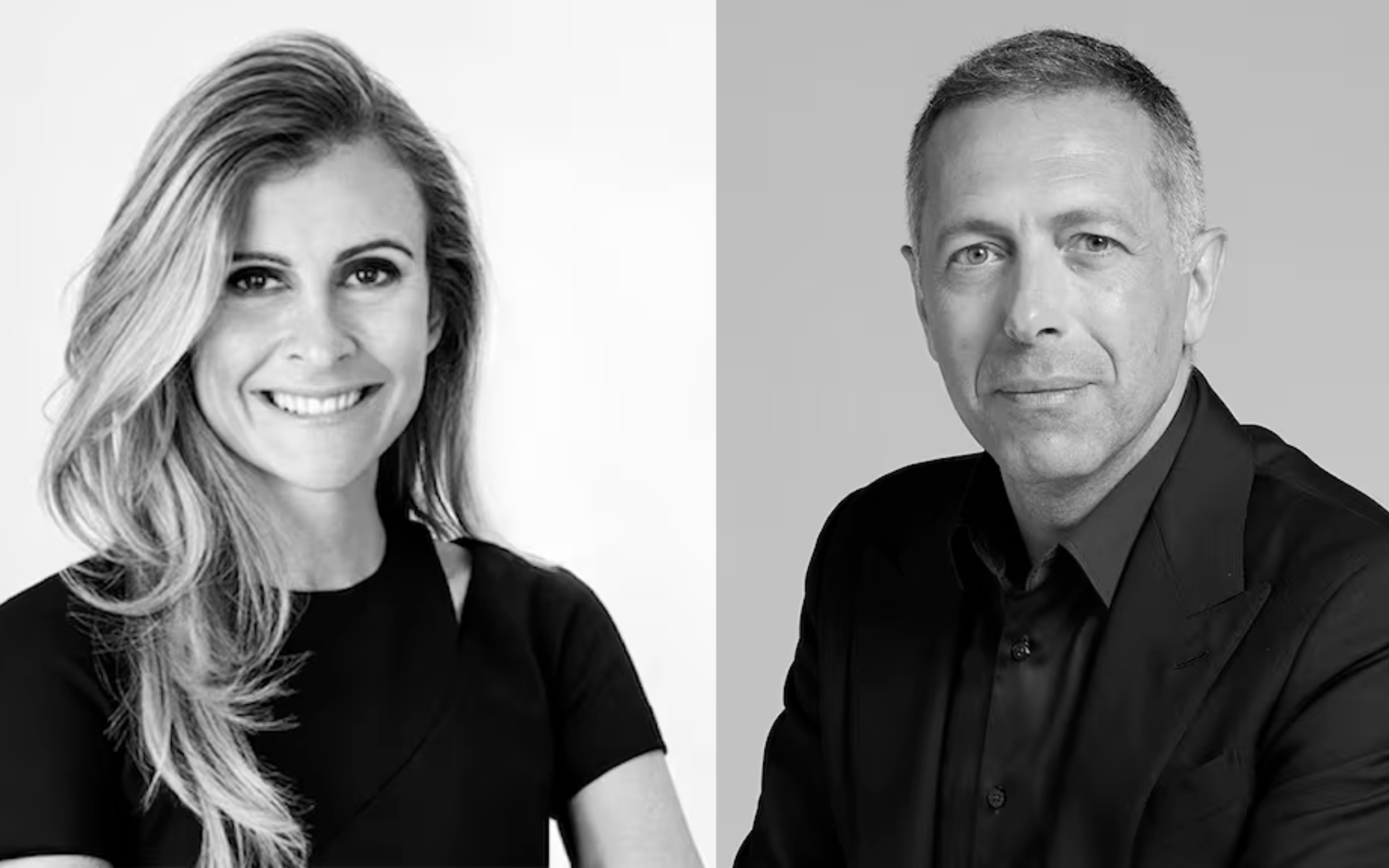
The most significant signal of this shift came from the top of the luxury pyramid. Givenchy, a house with a storied history of elegance and occasional rebellion, announced a major change in leadership that speaks volumes about the current state of the luxury market. The appointment of Amandine Ohayon as the new CEO, replacing Alessandro Valenti after a tenure of just 18 months, is not merely a staffing update; it is a declaration of intent.
In the past, luxury houses often allowed executives years to find their footing. There was a sense of patience, a belief that the "magic" of a maison took time to cultivate. That patience has officially evaporated. The current market, defined by economic volatility and a hyper-educated consumer base, demands immediate execution. Valenti’s move to a commercial leadership role at Christian Dior Couture suggests that while his talents are valued, Givenchy required a different kind of engine.
Enter Amandine Ohayon. Coming from L’Oréal, she brings a background steeped in the rigor of the beauty industry. Beauty is a sector defined by product excellence, rapid scaling, and operational precision. It is less about the esoteric "dream" of fashion and more about the tangible reality of brand performance. By placing an executive with this DNA at the helm of a couture house, Givenchy’s parent company is signaling that the time for experimentation is over. The mandate is now scaling, clarity, and operational robustness.
This move reflects a broader anxiety and ambition within luxury. The romance of the "creative genius" CEO is fading. Brands are looking for operators—leaders who understand supply chains as well as silhouettes, who can navigate global market fluctuations with the same dexterity as they navigate a front row. For the consumer, this likely means a Givenchy that feels more consistent, more accessible in its retail execution, and sharper in its product offering. It is a pivot from trying to be everything to everyone, to being a well-oiled machine of modern luxury.
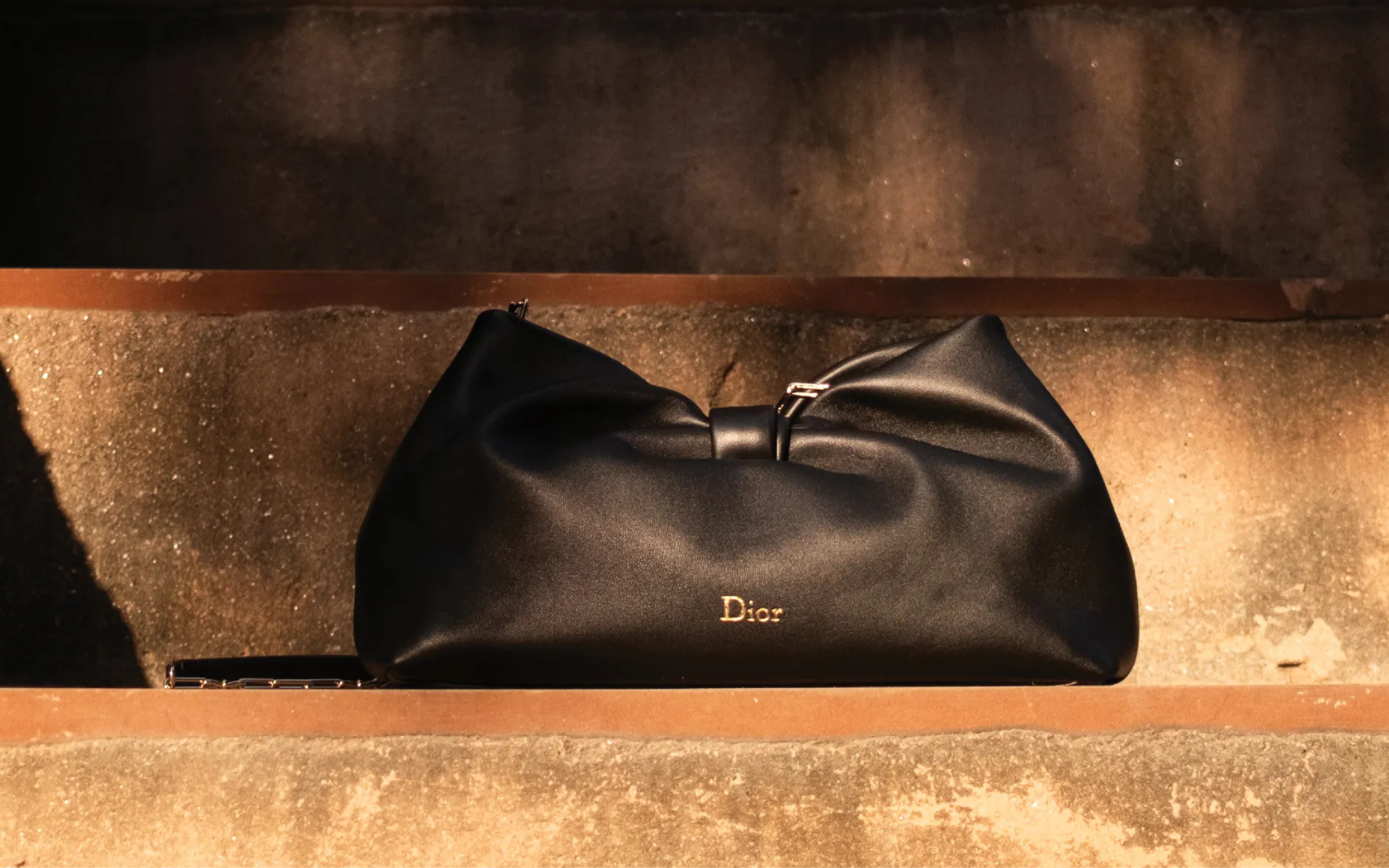
If Givenchy provided the business lesson of the week, Jonathan Anderson’s debut at Dior provided the aesthetic one. In a world where debut collections are often designed to shatter the internet with shocking imagery, Anderson chose a radically different path. He chose quiet.
The anticipation surrounding any new creative direction at a house like Dior is palpable. The pressure to create a "moment"—a viral accessory, a controversial silhouette, a spectacle set design—is immense. Yet, Anderson’s first outing for the house marks a noticeable, almost stubborn refusal to play that game. Instead of dramatic statements that scream for attention, the collection introduced a new vocabulary of whispers: bows, clovers, refined symbols, and tactile nuance.
This approach is intellectual rather than sensational. It suggests that Anderson is not interested in renting your attention for five minutes; he is interested in building a visual language that will last for five years. The introduction of specific visual codes—like the clover—serves as a foundation for long-term brand equity. These are symbols that can be iterated upon, subtly woven into accessories, prints, and hardware for seasons to come. It is brand building in its purest form.
For the Gen Z and Millennial observer, this might feel less exciting at first glance than a collection filled with meme-worthy inflatable boots. However, it respects the intelligence of the audience. It invites you to look closer, to appreciate the texture, the cut, and the meaning behind the symbols. It is fashion that requires engagement rather than just consumption.
This is Dior setting foundations, not chasing applause. By focusing on refined symbols and new visual codes, Anderson is signaling that the future of Dior will be built on consistency and sophisticated storytelling. It is a confident move, one that assumes the customer is tired of the noise and is ready for something that feels grounded, thoughtful, and meticulously crafted. It is a strategy of seduction, not coercion, proving that in 2026, a whisper can indeed be louder than a shout.
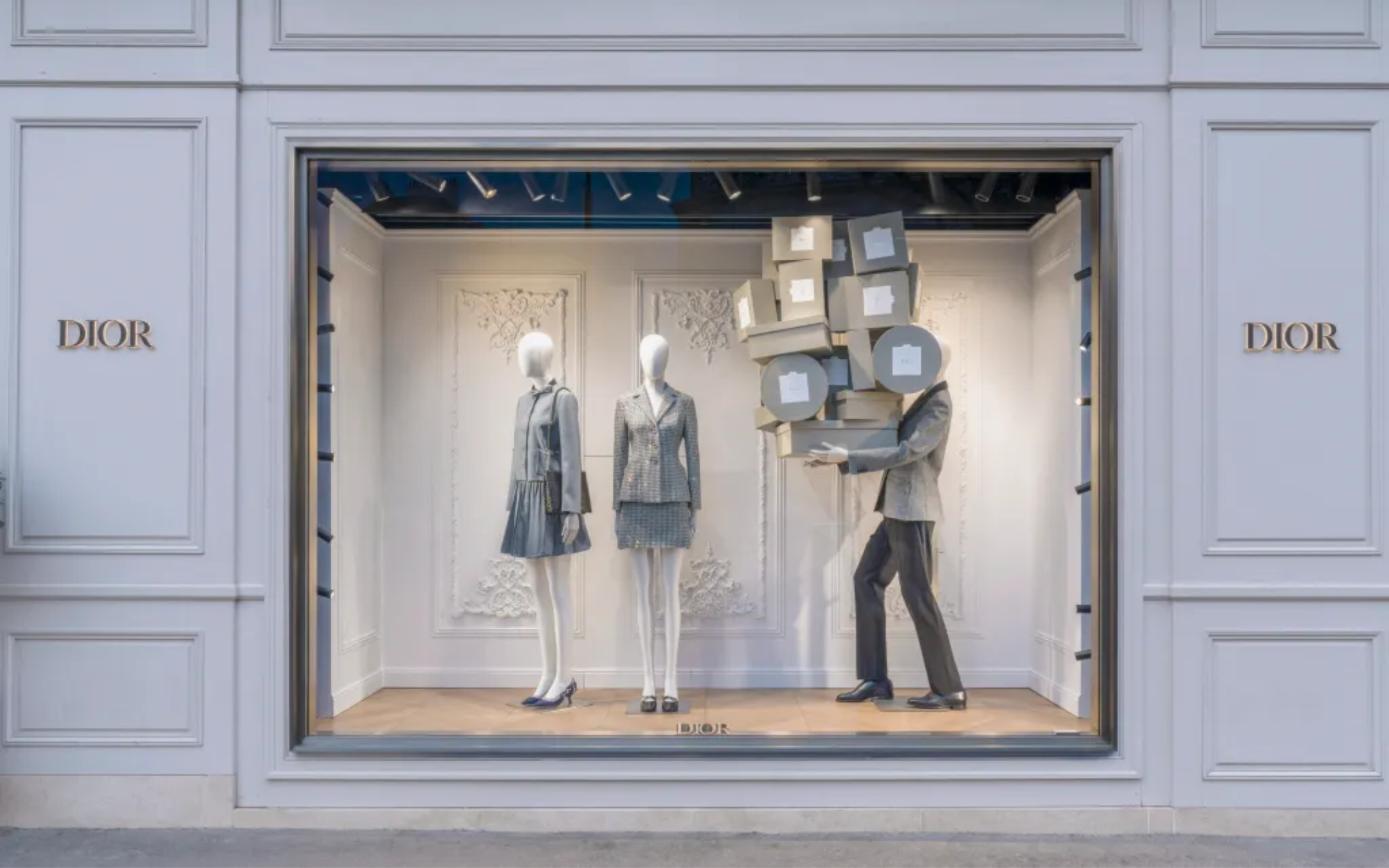
Dior’s strategic recalibration didn’t stop at the runway. The house demonstrated a keen understanding of the modern retail landscape by refusing to wait for the traditional six-month delivery cycle. Immediately following the debut, Dior launched pop-up experiences, starting with Selfridges.
This move acknowledges a fundamental truth about the modern consumer: we are impatient, but we also crave connection. By showcasing Anderson’s debut collections alongside reimagined classics like the Book Tote immediately, Dior is closing the gap between desire and acquisition. But more importantly, they are doing it through physical experiences.
In an increasingly digital world, luxury is moving back to the streets. These pop-ups are not just stores; they are cultural touchpoints. They allow the brand to control the environment, the narrative, and the feeling of the collection in a way that a wholesale shelf never could. It turns the launch into an event, a destination that invites the consumer into the new Dior universe instantly.
Complementing this tangible strategy was the announcement of LaKeith Stanfield as the new brand ambassador. Casting is a strategic tool, and the choice of Stanfield is a masterclass in "soft power." Stanfield is not a traditional polished mannequin; he is an artist known for depth, eccentricity, and a cool, unbothered confidence. He has worn Dior consistently on red carpets not because he was paid to, but because it fit his aesthetic.
Formalizing this relationship feels organic rather than transactional. It aligns Dior with a specific type of modern masculinity—one that is creative, unconventional, and culturally relevant. It tells the audience that Dior is not just for the stiff, heritage customer, but for the creative vanguard. This is not the "pay-to-play" influencer marketing of 2018. This is identity alignment. It reinforces the brand's values through the persona of the ambassador, creating a halo effect of cool intelligence that no billboard could achieve on its own.
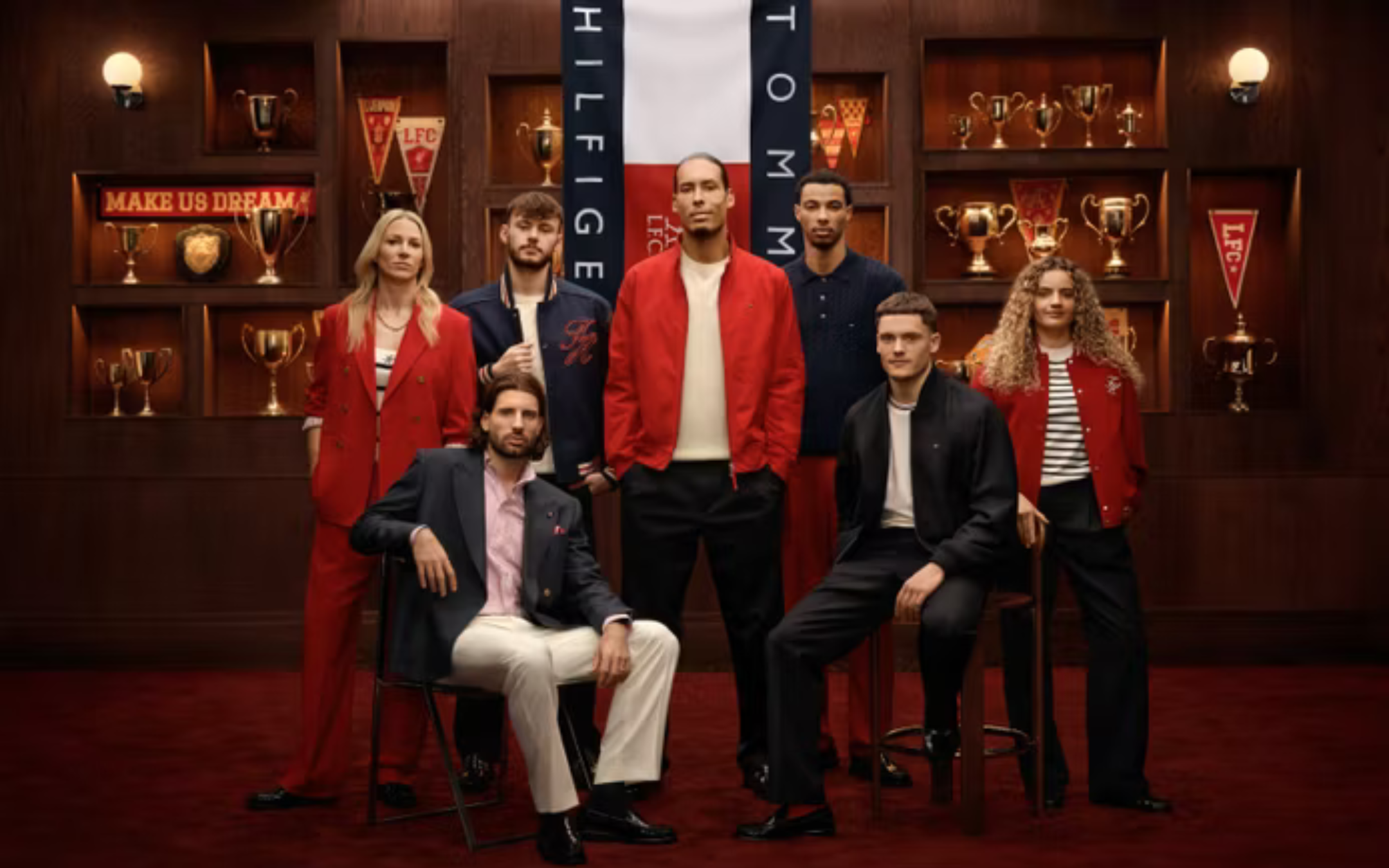
While luxury was recalibrating its exclusivity, mass fashion was rethinking its inclusivity. Tommy Hilfiger’s announcement of a global partnership with Liverpool FC marks a pivotal moment in the convergence of fashion and sports. This is significantly different from a designer simply releasing a football-inspired jersey. This is a heritage American fashion brand formally entering the ecosystem of one of the most historic football clubs in the world.
For years, the "blokecore" trend has been bubbling up from the streets—vintage jerseys paired with designer denim, the aesthetic of the terrace making its way to the runway. Brands have flirted with this, often appropriating the look without engaging the culture. Tommy Hilfiger is doing the opposite. By partnering with Liverpool FC, they are not just borrowing the aesthetic; they are buying into the emotional infrastructure of the club.
Sports fandom is perhaps the most potent form of brand loyalty in existence. It is tribal, generational, and deeply emotional. By aligning with Liverpool, Tommy Hilfiger taps into a global community that transcends traditional fashion demographics. It is a play for relevance in the daily lives of millions of fans who might not watch fashion week, but who watch every match.
This strategy acknowledges that for the modern consumer, culture is fluid. You don't just "like fashion" or "like sports." Your identity is a mashup of these influences. A Tommy Hilfiger polo is no longer just a preppy staple; contextualized within Anfield, it becomes a piece of terrace culture, a symbol of belonging to a different kind of tribe. This is fashion strategy looking outward, finding relevance in adjacent worlds and weaving itself into the fabric of real life, rather than staying isolated in the fashion bubble.

Perhaps the most fascinating counter-narrative of the week comes from India, where Zudio continues to rewrite the rulebook of fast fashion. In a global market obsessed with e-commerce dominance, app integration, and influencer-led TikTok campaigns, Zudio is winning by doing the exact opposite. They are winning offline, quietly, and massively.
The brand’s success is a case study in operational discipline over digital noise. Zudio does not rely on viral marketing campaigns. It does not possess a sophisticated e-commerce platform that pushes push notifications every hour. Instead, it focuses on rapid offline expansion, ruthless inventory turnover, and price points that are aggressively aligned with the reality of the average consumer's wallet.
For the Gen Z observer, Zudio represents a return to the tangible thrill of shopping. It brings the "drop culture" mechanic to the physical store. Because inventory turns over so fast, if you see it and don't buy it, it’s gone. This creates a natural, organic urgency that digital countdown clocks try to fake.
Zudio proves that you don't need to be the loudest brand on Instagram to be the most relevant brand in the closet. It challenges the assumption that the only way to scale in 2026 is through digital hype. It reminds the industry that at the end of the day, fashion is a physical product, and the ability to get the right product, at the right price, into the hands of the consumer is still the ultimate competitive advantage. While others burn cash on customer acquisition costs online, Zudio builds empires with brick and mortar. It is a lesson in knowing your market so well that you can afford to ignore the global "best practices" of digital marketing.

Finally, the beauty sector reinforced this week's theme of understated strategy through Estée Lauder’s appointment of Daisy Edgar Jones as global brand ambassador. In an industry that often chases the loudest, most controversial, or most "viral" faces of the moment (think reality stars or controversial musicians), choosing Edgar Jones is a pivot toward quiet luxury and emotional resonance.
Daisy Edgar Jones built her fame on complex, emotional roles (most notably in Normal People). Her public persona is one of intelligence, softness, and relatability. She is glamorous, but accessible. She feels like a real person, not a constructed avatar of perfection.
For a legacy brand like Estée Lauder, this casting is designed for longevity. It isn’t a grab for quick headlines; it’s a positioning play. It suggests that the brand values substance and grace. It aligns with the "clean girl" aesthetic and the move toward skin-first beauty, where the goal is to look like yourself, only better.
The campaign, set to debut in February, will likely lean into this softness. It reflects a fatigue with the "instagram face" era of beauty. Consumers are looking for faces that mirror their own desire for authenticity. They want ambassadors who feel like they have an inner life, not just a good ring light. By betting on Edgar Jones, Estée Lauder is betting on the staying power of class and the enduring appeal of the "girl next door" who happens to have impeccable taste.
So, what does this week of quiet moves mean for the person scrolling through their feed, looking to update their wardrobe? It means that the fashion industry is finally treating you like an adult.
For years, the strategy has been to overwhelm the consumer. To shout louder, post more, drop faster, and create a sense of panic. But that noise leads to burnout. It leads to a wardrobe full of disjointed "viral" items that don't go together and don't last.
The shift we saw this week—from Givenchy’s operational focus to Dior’s intellectual quietness, from Tommy’s cultural integration to Zudio’s physical grounding—is a shift toward respect.
It respects your intelligence by offering symbols and codes you have to decode (Dior).
It respects your wallet by focusing on operational efficiency to deliver value (Zudio).
It respects your passions by meeting you in the stadium (Tommy Hilfiger).
It respects your desire for authenticity by choosing ambassadors who have depth (Estée Lauder/Dior).
This is a maturing of the market. The brands that will win in the next decade are not the ones that can scream the loudest. They are the ones that can whisper the right thing, at the right time, into the right ear.
We are moving into an era of "Strategy Over Noise." For the consumer, this is excellent news. It means better products, more thoughtful retail experiences, and a fashion landscape that feels less like a circus and more like a curated gallery. It allows us to step off the treadmill of trends and start building personal style with intention.
Fashion is thinking before it speaks. And frankly, it’s about time.
In a digital age defined by infinite scrolling and constant stimulation, silence is the ultimate luxury. The strategic pivots witnessed this week across the fashion spectrum serve as a reminder that true influence doesn't require a megaphone. It requires a plan.
Whether it is Givenchy tightening its operational belt to ensure future growth, or Jonathan Anderson weaving a new tapestry of symbols at Dior, the common thread is control. These brands are taking back control of their narratives from the algorithmic chaos. They are deciding when to speak and what to say, rather than letting the market dictate their tempo.
For you, the fashion enthusiast, this invites a change in perspective. Look beyond the viral clips. Look for the brands that are building ecosystems, not just products. Look for the collaborations that feel like genuine cultural exchanges, not just logo slaps. Look for the leaders who are operators, not just figureheads.
The noise will always be there. There will always be a new micro-trend, a new controversy, a new "core" to chase. But the week fashion chose strategy over noise proved that the real movement happens in the quiet moments of decision. The future of fashion isn't just about what we wear; it's about how the industry thinks. And right now, it’s thinking clearly, strategically, and beautifully.
As we move forward into the season, observe the quiet ones. Watch the brands that are confident enough to slow down. That is where the real style is being made.
Follow BeSpoke AI Stylist for continued analysis that looks beyond the clothes and into the strategy shaping the industry.