
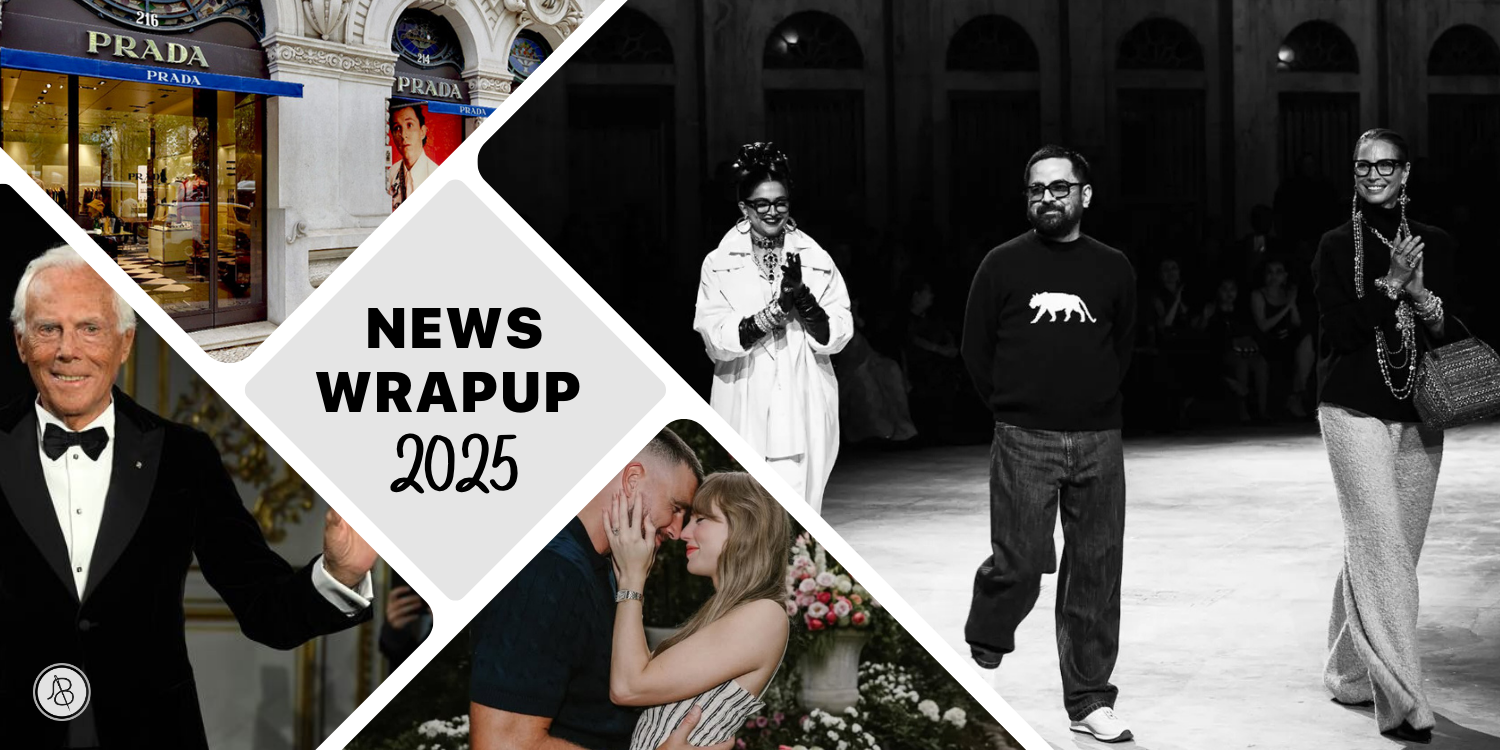
Fashion did not evolve in 2025; it fractured. It was a year of seismic shocks, not gentle shifts. The industry's carefully constructed facade of stability cracked under the weight of unprecedented disruption. Power was not transferred; it was seized. Influence rewrote its own rules, and the very definition of relevance was thrown into question. The events of this year were not fleeting trends destined for a season-end recap. They were foundational breaks that permanently altered how the industry functions, communicates, and values itself.
For years, fashion operated on a set of unspoken guarantees: the enduring vision of a legacy creative director, the quiet authority of established media, and the predictable rhythm of collaborations and seasonal collections. 2025 dismantled those assurances one by one. It was a loud, chaotic, and unapologetically messy year. Authority was challenged and, in many cases, overthrown. The old guard stepped aside, either by choice or by force, leaving a vacuum filled by new power players, unexpected cultural phenomena, and a complete reordering of the global luxury map.
This was not a year for whispers. It was a year of declarative statements, blockbuster acquisitions, and cultural moments so potent they overshadowed entire collections. Fashion stopped pretending it was an insulated art form and revealed itself for what it has become: a volatile, high-stakes arena where cultural currency is the only real asset. Forget slow evolution. 2025 was a hostile takeover.
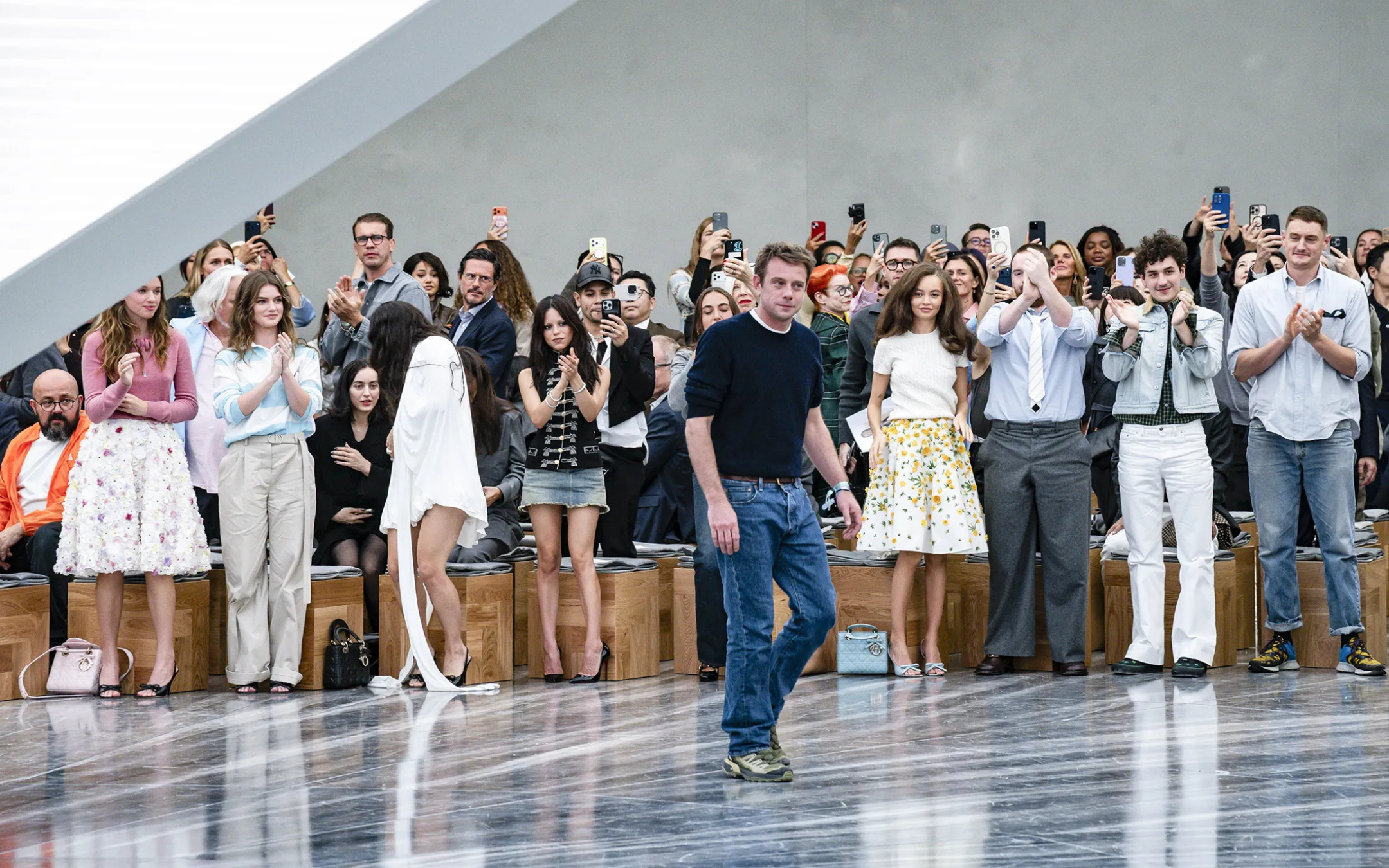
The Great Creative Director Reshuffle
The game of creative director musical chairs is not new to fashion, but in 2025, it became an extreme sport. The year saw an unprecedented, almost frantic reshuffling of top talent across the industry’s most revered luxury houses. The once-sacred idea of a long-term creative vision, where a designer spends years or even decades shaping a brand's identity, was unceremoniously pushed aside. In its place came a relentless pursuit of short-term relevance, driven by a fear of digital irrelevance and the insatiable demand for viral moments.
Stability became the rarest of commodities. Brands that were once considered legacy institutions began to operate more like agile, rotating ecosystems of talent. A designer's tenure was no longer measured in eras but in seasons. The pressure to deliver an immediate commercial hit or a social media-breaking accessory created a revolving-door environment that prioritized shock value over substance. This constant state of flux had a profound effect on the clothes themselves. Collections felt less like chapters in a cohesive story and more like a series of disconnected, attention-grabbing singles.
The underlying message from the C-suite was clear: loyalty is a liability. The industry’s leaders were no longer investing in a singular vision but were instead hedging their bets, hoping a new name could inject a temporary shot of adrenaline into the brand. For the modern consumer, this meant a dizzying landscape of changing aesthetics and brand identities. It became harder to invest in a brand's story when the author changed every eighteen months. This chaotic reshuffling signaled a new operational model for luxury: one that valued agility over legacy and buzz over brand-building.

Sabyasachi’s 25 Years of Cultural Dominance
While Western luxury houses were caught in a spiral of creative instability, Sabyasachi Mukherjee celebrated a quarter-century in the business by proving the power of a singular, unwavering vision. The brand’s 25-year milestone was not just a celebration of longevity; it was a masterclass in turning cultural memory into a global commercial force. Sabyasachi did not simply participate in the global luxury conversation; it dictated its own terms.
Instead of diluting its identity to court Western validation, the brand doubled down on its Indian soul. The intricate craftsmanship, the rich textiles, and the deep-rooted storytelling that defined Sabyasachi’s aesthetic were not presented as exotic novelties but as tenets of a universally appealing luxury language. The brand proved that nostalgia, when wielded with authority and authenticity, is an incredibly scalable asset. It tapped into a collective memory and made it aspirational for a global audience.
The 25th-anniversary collection was a testament to this strategy. It was a powerful reminder that true luxury is not about conforming to a globalized, monolithic ideal. It is about having a point of view so strong and so authentic that the world has no choice but to listen. Sabyasachi’s success in 2025 sent a clear message to the rest of the industry: you do not need to erase your origins to achieve global dominance. In fact, your origins may be your greatest strength.

The Jonathan Bailey Effect
Every so often, a personality emerges from outside the traditional fashion ecosystem and completely captivates it. In 2025, that person was Jonathan Bailey. The actor’s rise to fashion obsession was a perfect storm of viral red-carpet appearances, a magnetic public persona, and a crowning moment as People’s Sexiest Man Alive. His impact confirmed a new industry truth: genuine cultural relevance now holds more weight than traditional fashion credentials.
Bailey’s style moments were not just about wearing nice clothes; they were about embodying a modern, confident, and refreshingly authentic form of masculinity. Whether in a perfectly tailored suit or a more daring, fashion-forward ensemble, he exuded a charisma that made the clothes secondary to his personality. Brands clamored to dress him not just because he looked good, but because he mattered to people. He had a connection with a global audience that no amount of marketing budget could buy.
The "Jonathan Bailey Effect" demonstrated a critical shift in the mechanics of influence. It was no longer enough for a celebrity to be a passive clothes horse. The public, especially Gen Z and Millennials, craved authenticity and a sense of relatability. Bailey’s appeal was rooted in his perceived genuineness. His fashion choices felt like an extension of his personality, not a stylist's agenda. For brands, this meant that the most powerful endorsements now come from individuals who have earned the public's trust and affection, regardless of their fashion industry bonafides.
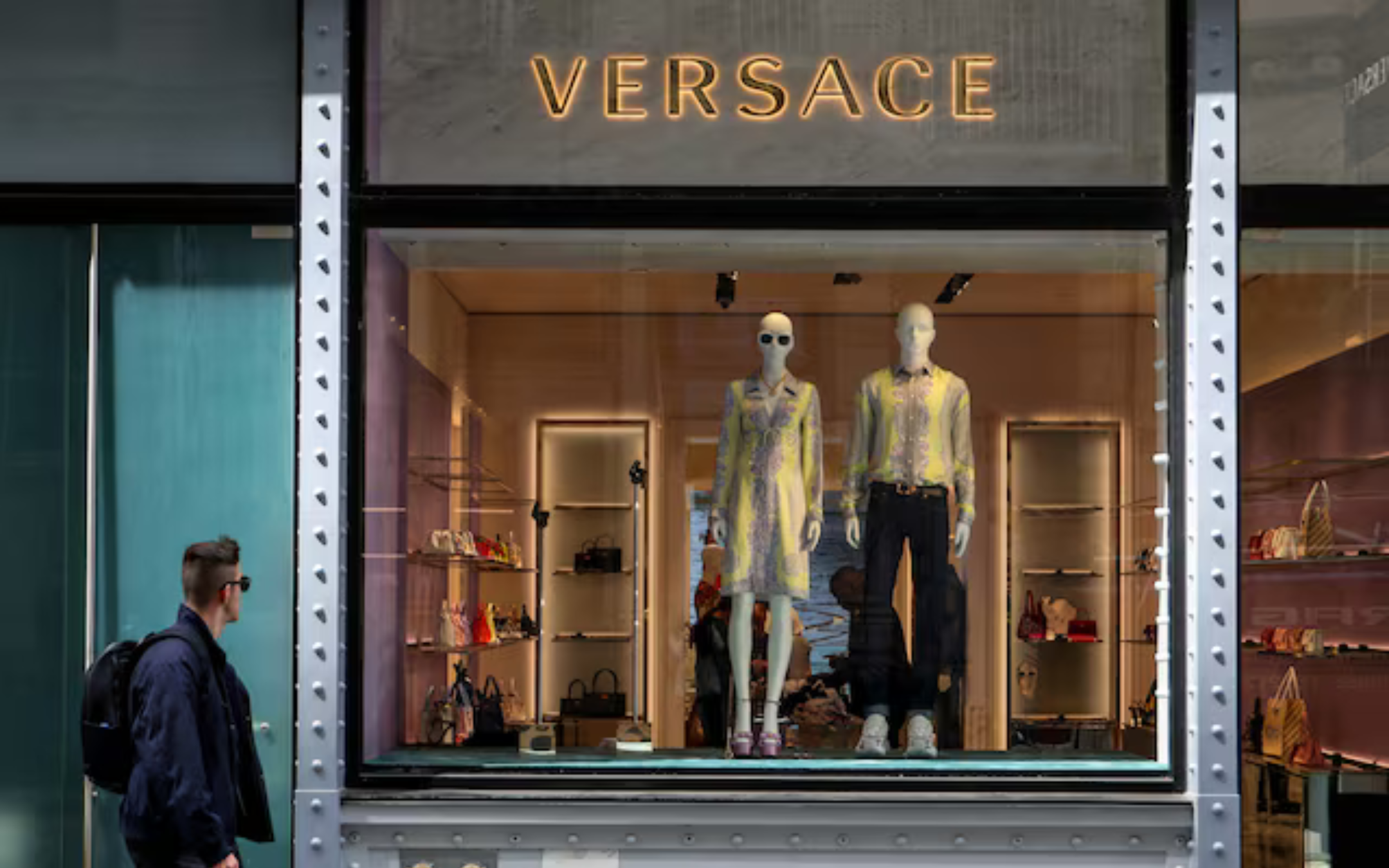
Power Play: Prada Buys Versace
The era of friendly collaborations and capsule collections came to an abrupt end in 2025. The culture of borrowing aesthetics was replaced by a strategy of outright acquisition, and no move was more significant than Prada’s purchase of Versace. This was not a merger; it was a consolidation of power, signaling a new, more aggressive phase in the luxury arms race.
For years, the industry had been defined by a "collaboration culture," where brands would team up for limited-edition drops that generated hype and cross-pollinated audiences. It was a relatively low-risk way to stay relevant. Prada's acquisition of Versace represented a fundamental departure from this model. It was a statement that true market dominance no longer comes from temporary alliances but from permanent control.
By absorbing Versace, the Prada Group didn't just acquire a legendary brand with a rich archive; it acquired a significant share of the market and a powerful cultural legacy. This move sent shockwaves through the industry, forcing other major conglomerates to re-evaluate their strategies. The message was that in the new luxury landscape, you are either buying or being bought. This consolidation trend points towards a future with fewer, more powerful mega-conglomerates controlling an even larger portfolio of brands, making it harder for independent labels to compete.
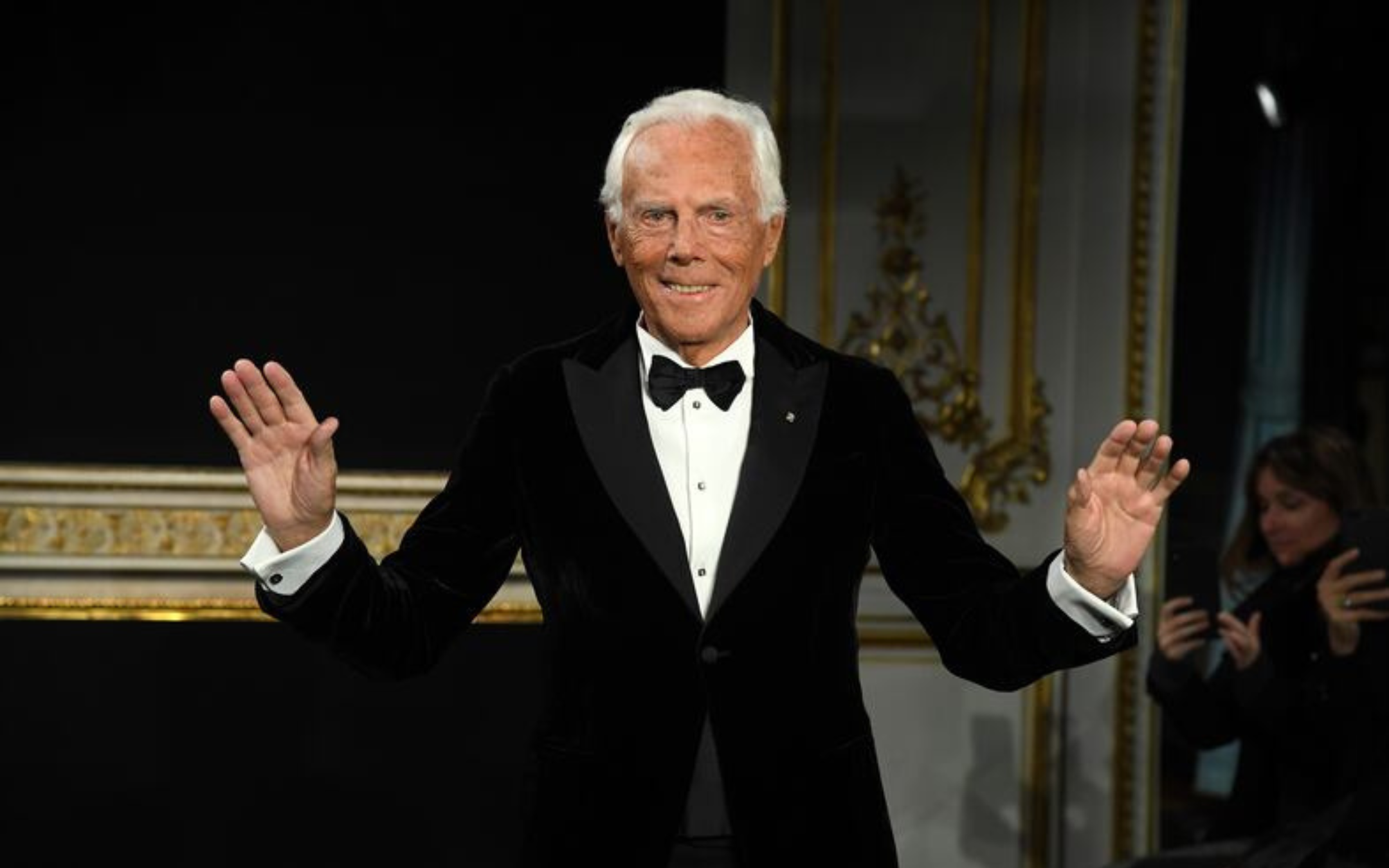
The End of an Era: The Loss of Giorgio Armani
Giorgio Armani’s passing in 2025 was more than the loss of a legendary designer; it marked the definitive end of an era defined by quiet authority. For decades, Armani represented a form of leadership rooted in restraint, precision, and a timeless vision. His empire was built not on fleeting trends but on an unwavering commitment to quality and a deep understanding of how people want to live. He was a moral compass in an industry that often lacks one.
Armani’s legacy is one of subtle power. He democratized tailoring, redefined professional attire, and built a global brand without ever succumbing to the temptations of loud logos or flashy gimmicks. He represented an ideal of the designer as a benevolent dictator—a singular, authoritative voice with a clear and consistent point of view. With his passing, fashion lost one of its last remaining patriarchs.
His exit leaves a void that is unlikely to be filled. The industry has officially moved into a post-authority era, where influence is fragmented and leadership is decentralized. There is no singular figure who commands the same level of universal respect and moral authority as Armani did. His loss underscores the broader shift away from a top-down, designer-led system to a more chaotic, consumer-driven market. The quiet elegance he championed now feels like a relic from a different time.
India Takes the Luxury Stage
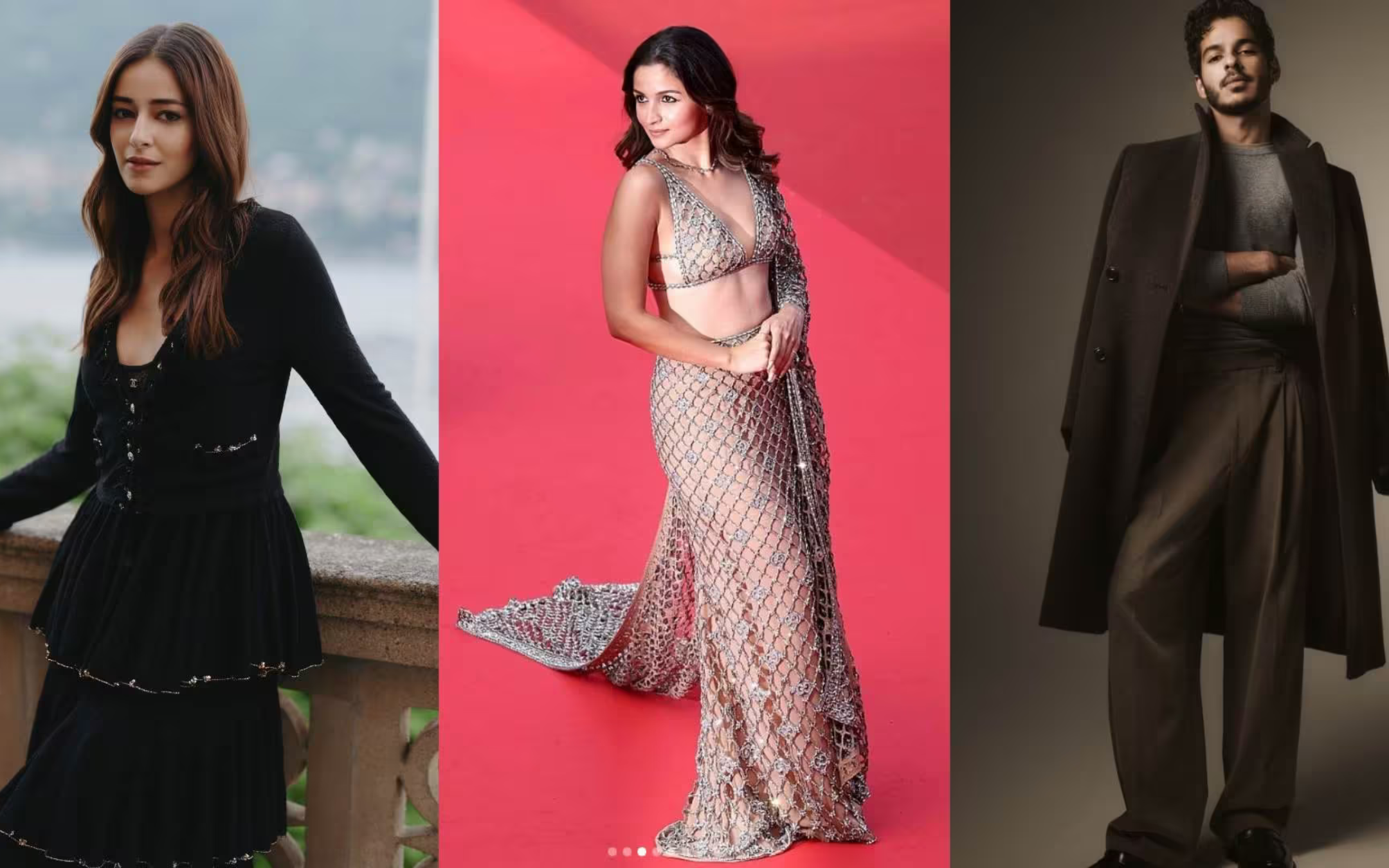
2025 was the year India transitioned from being a source of inspiration to a position of leadership on the global luxury stage. For decades, Western fashion has borrowed from Indian culture, often reducing its rich traditions to a mood board of exotic motifs. This year, the dynamic fundamentally shifted. Luxury stopped simply referencing Indian culture and started acknowledging Indian power.
Indian designers, celebrities, and aesthetics were not just present; they were dominant in global campaigns and conversations. This was not tokenism; it was a strategic recognition of India’s growing economic might and its massive, sophisticated luxury market. Brands that once saw India as a manufacturing hub now see it as a primary consumer base. This has forced a change in how they communicate, who they feature in their campaigns, and what kind of products they create.
The rise of Indian celebrities as global brand ambassadors was a key indicator of this shift. They brought with them a massive, engaged following and a cultural authenticity that resonated globally. This move from the periphery to the center represents a long-overdue rebalancing of the global fashion map. It acknowledges that the future of luxury is not monolithic and that power is no longer concentrated solely in Paris, Milan, and New York.
Labubu Mania: The Chaos Factor
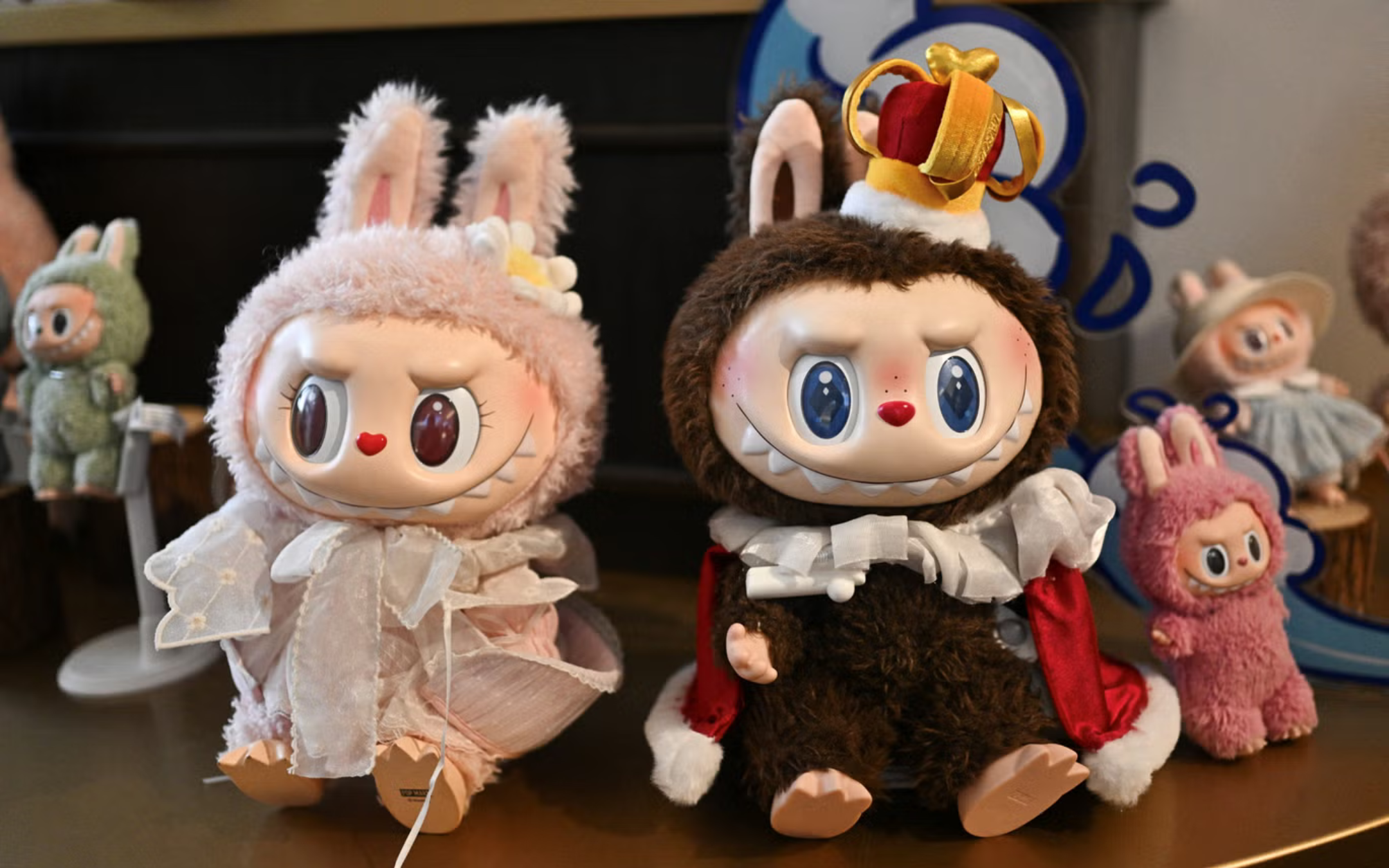
In a year of serious power moves and somber farewells, a small, mischievous art toy named Labubu infiltrated the highest echelons of luxury. The character, with its buck teeth and fluffy ears, began appearing on designer bags, in social media feeds, and as a coveted accessory in its own right. Labubu Mania was more than just a quirky trend; it was proof that chaos, humor, and internet culture can now outperform polished perfection.
The phenomenon represented a collective loosening of luxury's grip on seriousness. For an industry built on an image of flawless, unattainable elegance, the embrace of a playful, slightly oddball character was a significant development. It showed that consumers, particularly younger ones, are hungry for brands that don't take themselves too seriously. They crave personality, wit, and a touch of the absurd.
Labubu’s success was a lesson in the power of subversion. It was an unofficial, bottom-up collaboration that luxury houses had to acknowledge. It proved that in the digital age, influence is unpredictable. A brand's carefully curated image can be gleefully disrupted by a viral meme or a beloved character. This willingness to embrace the chaotic and the humorous is a sign of a more modern, less rigid approach to luxury.
The Abdication: Anna Wintour Steps Down
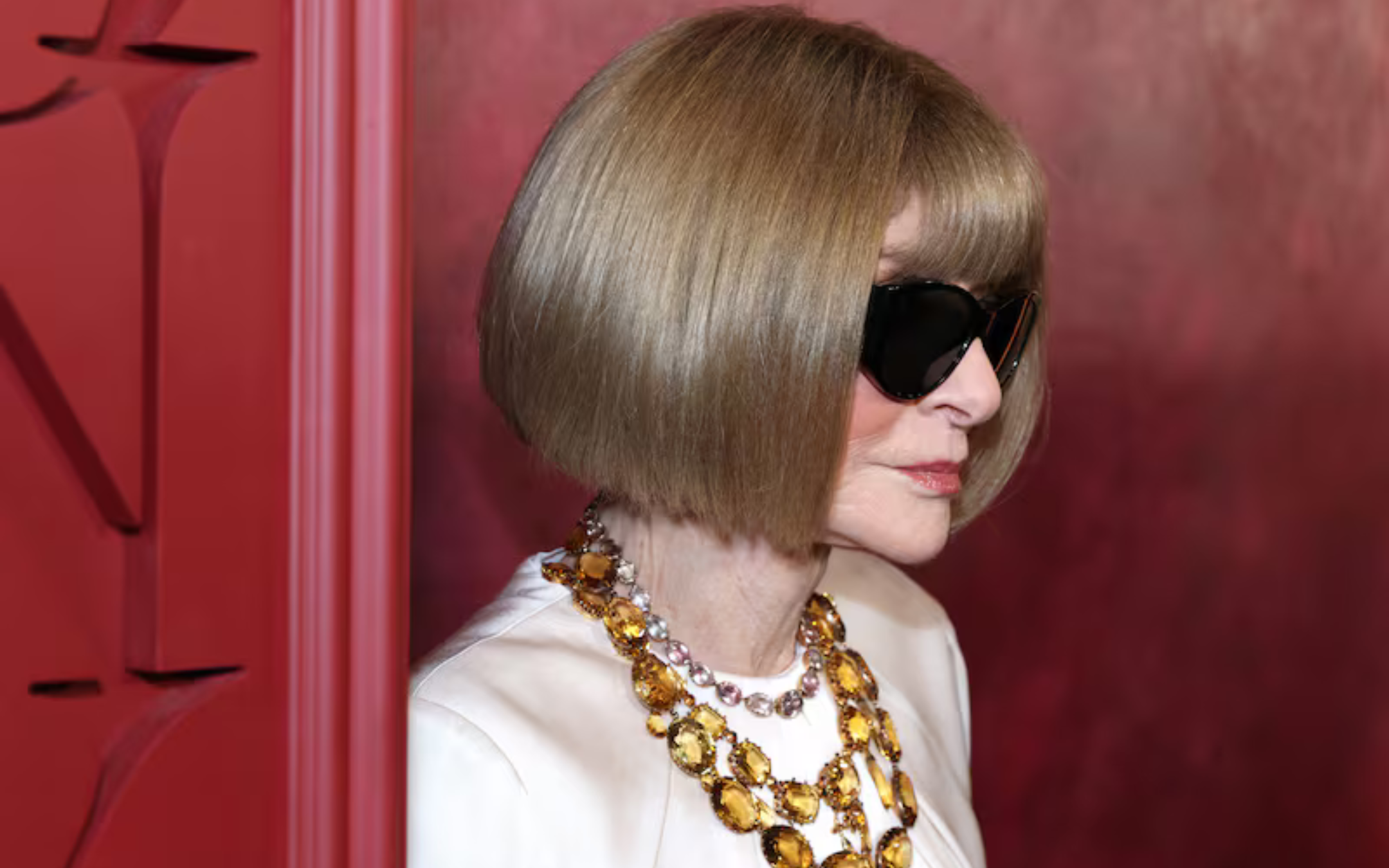
Anna Wintour’s departure from Vogue was the symbolic end of an empire. For more than three decades, she reigned as fashion's ultimate gatekeeper, a singular authority whose approval could make or break a career. Her stepping down did not just signal a changing of the guard; it marked the collapse of the editorial monarchy she had built.
In the wake of her exit, authority in fashion media became irrevocably fragmented. The power once concentrated in the editor-in-chief’s office scattered across a decentralized network of influencers, niche publications, and social media commentators. There is no longer a single voice that dictates what is "in" or "out." Influence is now a collective, negotiated conversation.
This new media landscape is more democratic but also more chaotic. Without a central gatekeeper, the quality and credibility of fashion commentary have become harder to gauge. However, it has also opened the door for a wider range of voices and perspectives to be heard. The end of Wintour's reign signifies that fashion media has entered a new era, one driven by the collective rather than the individual. The throne is empty, and it is unlikely to ever be filled again.
Spectacle and Vulnerability: The Louvre Heist
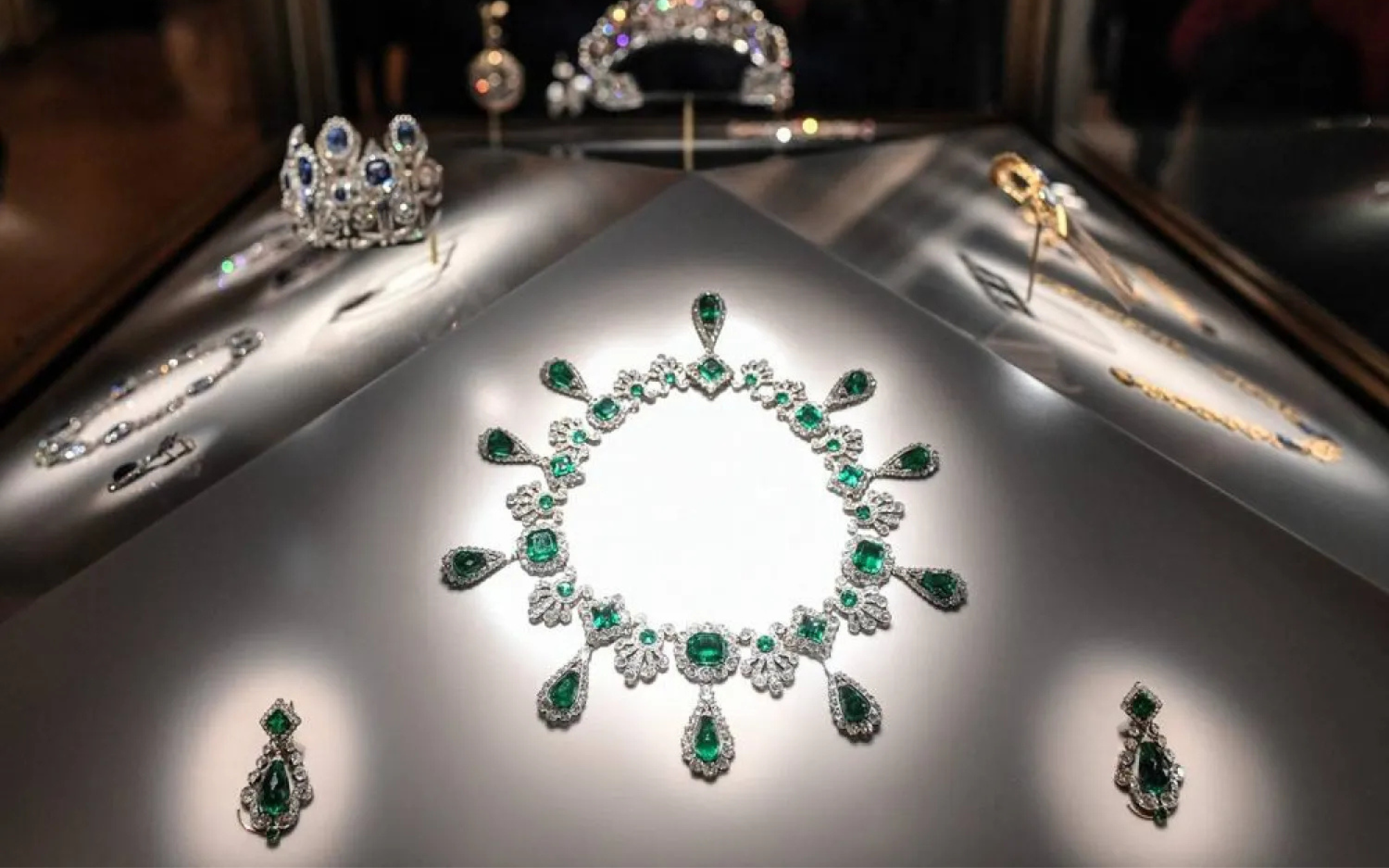
The line between fashion fantasy and public reality blurred in a dramatic and unsettling way with the daylight heist of luxury jewels from an exhibition at the Louvre. The incident, which played out like a scene from a Hollywood movie, was a stark reminder of how spectacle-driven and vulnerable the luxury world has become.
Fashion has always flirted with the theatrical, but this event pushed it into the realm of real-world crime drama. It underscored how much luxury has become a public performance. High-value items are no longer just for private clients; they are part of a public spectacle, put on display to generate buzz and reinforce brand prestige. This public exposure, however, also creates vulnerability.
The heist reinforced the idea that in today’s hyper-visible world, luxury is a target. The incident was dissected on social media in real-time, becoming a cultural event in itself. It highlighted the precarious balance brands must strike between creating a spectacle and protecting their assets. The robbery was a sobering reality check for an industry that often operates in a fantasy world.

The Swift Sell-Out: Influence Over Design
If there was any doubt about where power truly lies in modern fashion, Taylor Swift’s engagement dress provided the definitive answer. The garment, worn for a single public appearance, sold out globally in a matter of minutes. The phenomenon reinforced a hard, unassailable truth: emotional connection drives commerce far more effectively than craftsmanship or design alone.
This was not about the dress itself; it was about the person wearing it. Swift’s ability to move product on such a massive scale is a result of the deep, parasocial relationship she has cultivated with her fanbase. Her fans are not just buying a dress; they are buying a piece of her story. They are connecting with a moment and an emotion.
The "Swift Sell-Out Effect" is the ultimate case study in the power of modern influence. It demonstrates that the most valuable asset a brand can have is not a star designer but a connection to a cultural figure who commands genuine emotional loyalty. It proves that in the battle for the consumer's wallet, influence still beats design. The best-made garment in the world cannot compete with an item that has been imbued with cultural meaning by a beloved icon.
Final Takeaway: Fashion’s Unstable New Reality
2025 was not a year of graceful transitions. It was loud, unstable, and defined by unapologetic displays of power. The industry’s polite whispers were replaced by declarative shouts. Authority shifted, egos cracked, and the old certainties evaporated. In this new, volatile landscape, relevance became the only currency that matters. The events of this year were not anomalies; they were the architects of fashion’s new reality—a reality that is more dynamic, more unpredictable, and more brutally competitive than ever before. Fashion has stopped pretending, and the chaos is just getting started.


.png)