Let’s settle this once and for all. People didn’t fall for Steve Harrington just because of the hair. They stayed because he quietly redefined what attractive actually looks like. Yes, the hair mattered—it was practically a supporting character in its own right—but Steve’s real appeal was never just about volume or hairspray. It was about growth. It was about watching a character who could have easily remained a superficial 80s trope evolve into the emotional anchor of a cultural phenomenon.
Steve Harrington’s journey is one of the most satisfying character arcs in modern television history. He started as the king of Hawkins High, a guy who seemingly had it all but understood very little. Over the course of the series, he was stripped of his status, his girlfriend, and his dignity, only to rebuild himself into someone far more substantial. He didn't just survive the Upside Down; he survived the destruction of his own ego. And in doing so, he became the internet’s ultimate comfort character.
This isn't just a breakdown of a fictional character’s timeline. It’s an exploration of why we gravitate toward redemption, why vulnerability beats swagger every time, and how a guy in a sailor suit managed to steal the hearts of millions.
The Hair Was a Statement
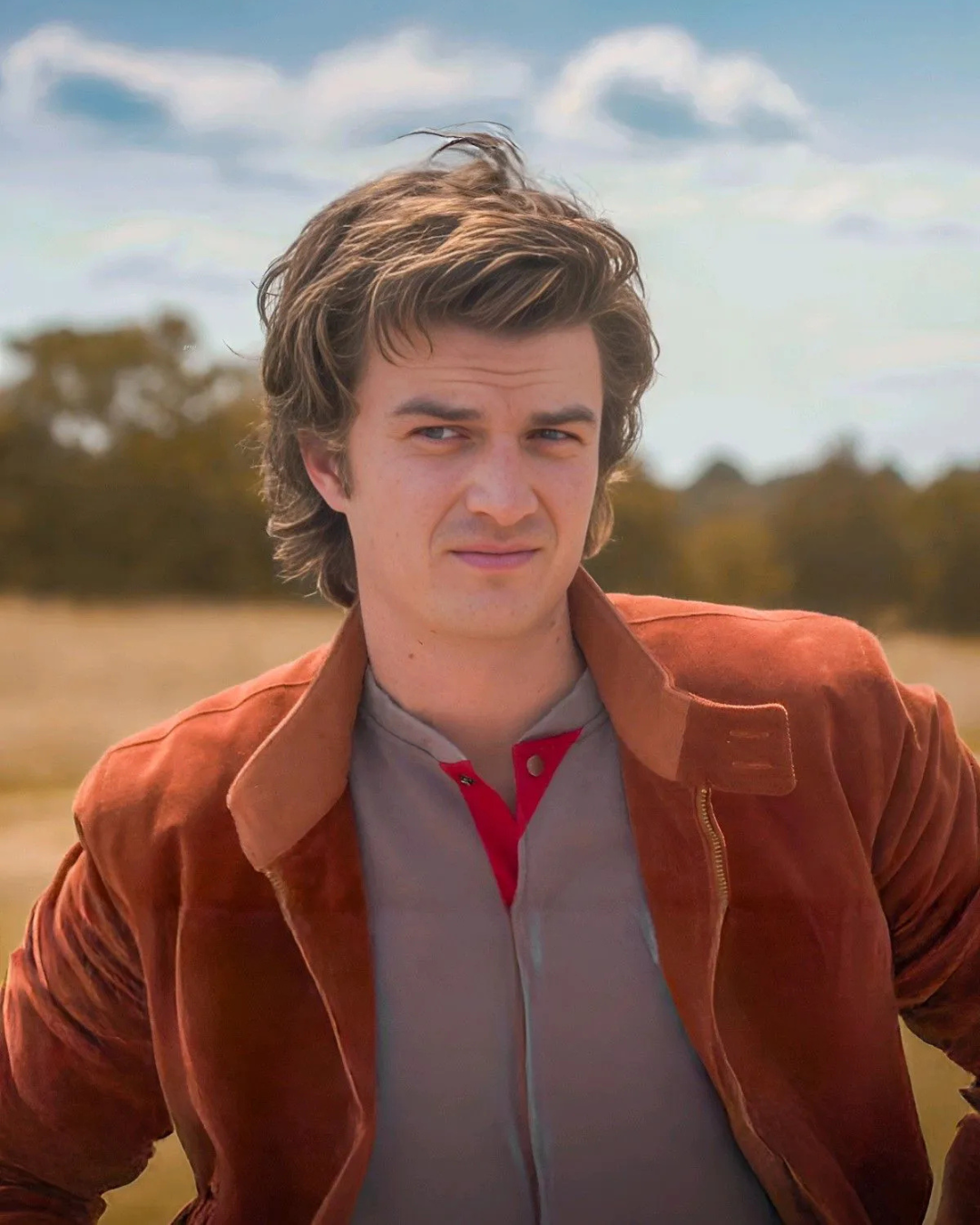
Before we dive into the emotional evolution, we have to address the elephant in the room—or rather, the gravity-defying masterpiece on top of Steve’s head. Steve’s hair wasn’t just good grooming; it was a statement. In a show set in the 1980s, a decade defined by excess and aesthetic chaos, Steve’s hair was a beacon of intentionality. It was perfectly blown out, impeccably styled, and held together by what we can only assume was a lethal amount of Farrah Fawcett spray.
But the hair was more than just a visual gag. It was a symbol of his initial worldview. It represented control, status, and the kind of high-maintenance confidence that demands attention. It signaled self-assurance before he even opened his mouth. The hair walked so modern standards could run. It was the armor he wore to protect a much more fragile sense of self. As the series progressed, the hair remained iconic, but its meaning shifted. It went from being a symbol of vanity to a symbol of resilience. It got messed up, matted with blood and slime, and hidden under a goofy hat, yet it—and Steve—always bounced back.
Season 1: The Heartthrob Era
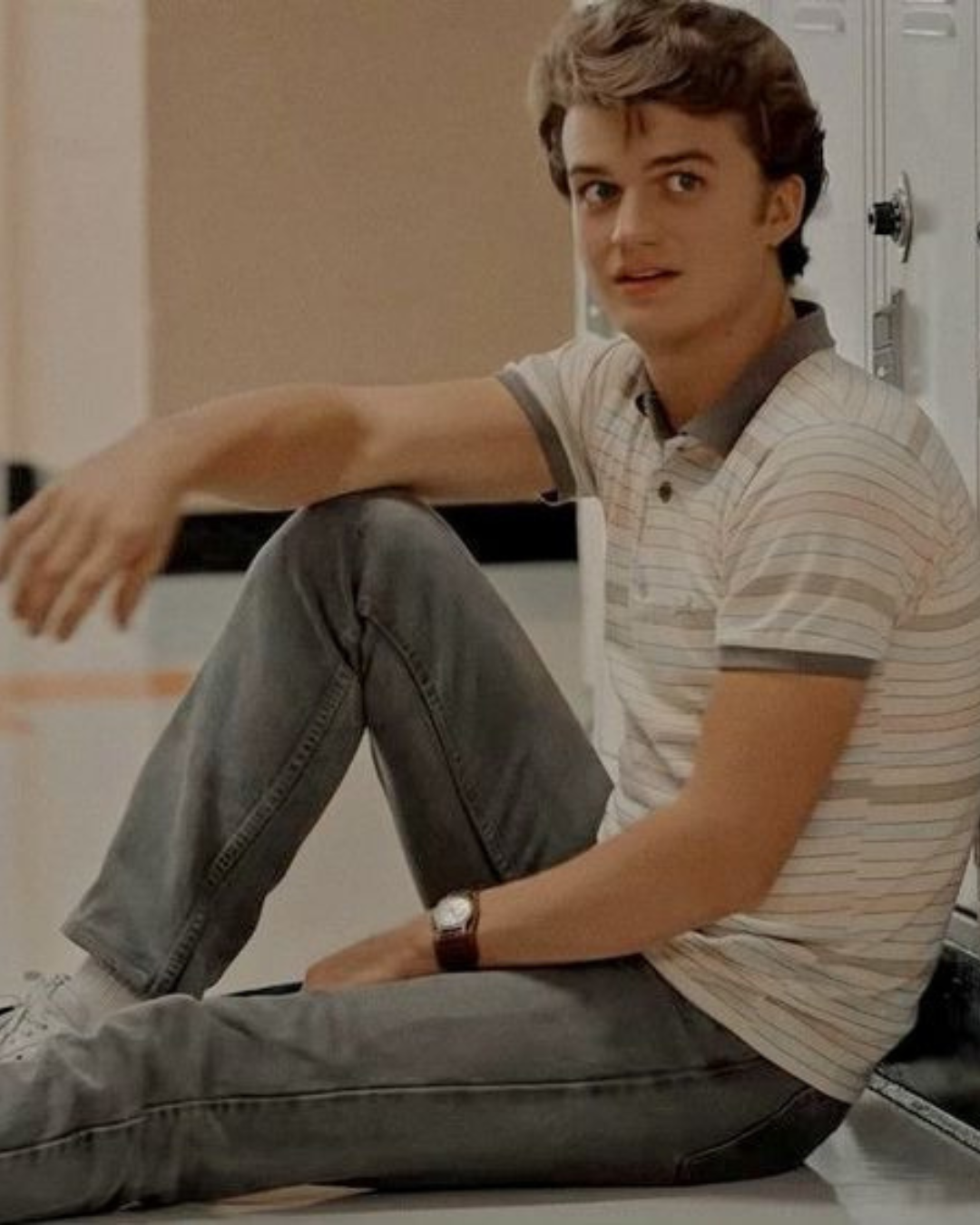
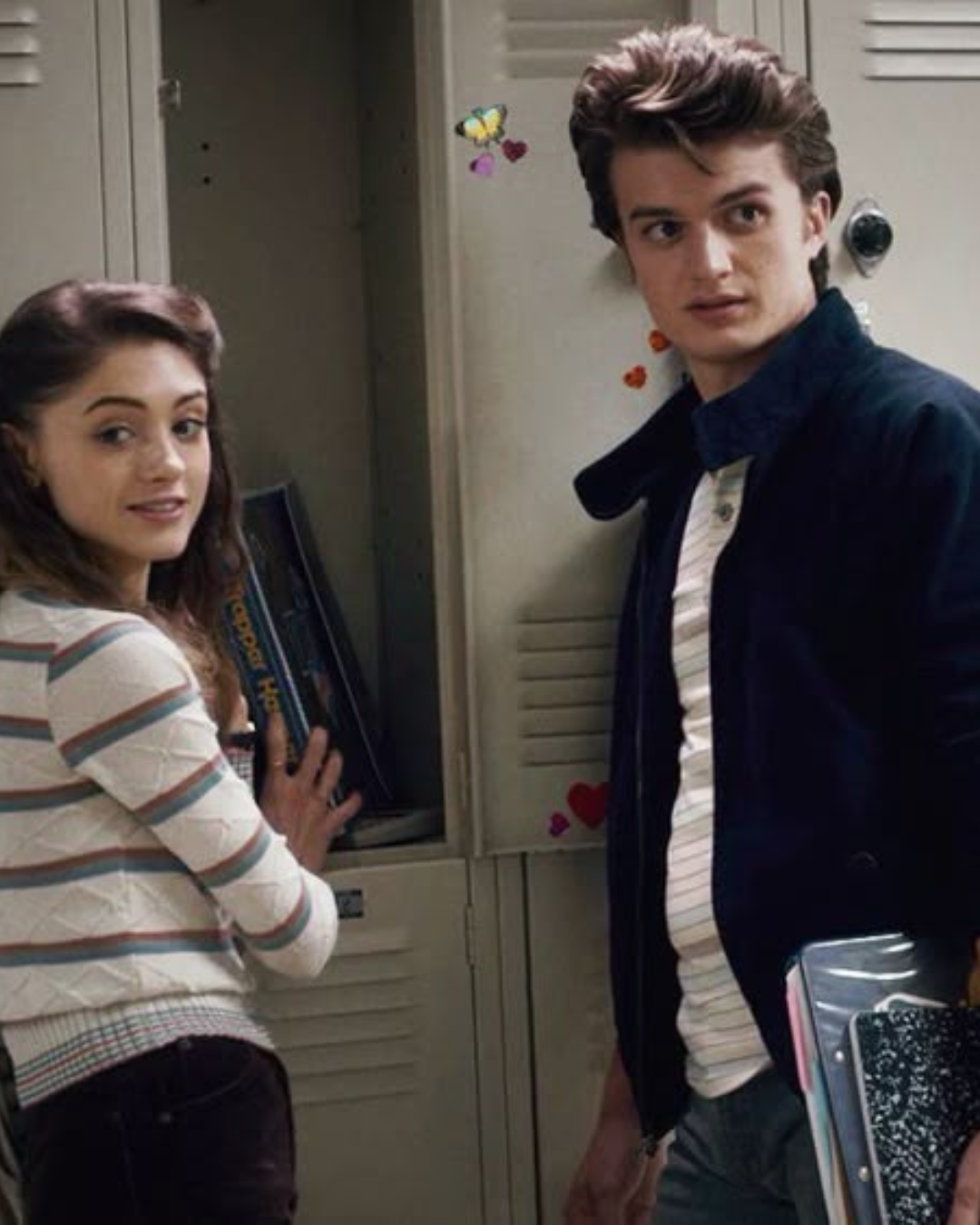
To understand how far Steve came, we have to remember where he started. Season one Steve was peak 80s high school king. He was the archetype we’ve seen a thousand times: the rich kid with the BMW, the perfect girlfriend, and the entourage of terrible friends. He had perfect polos, loud confidence, and a lot of ego. He walked through the halls of Hawkins High with main character energy and he knew it.
At this stage, Steve was attractive in the most obvious, surface-level way. He was the guy you were supposed to like but secretly hated, or perhaps the guy you were supposed to hate but secretly liked. He was dismissive of Jonathan, careless with Nancy’s feelings at times, and more concerned with his social standing than the weird events unfolding in his town.
However, even in Season 1, there were cracks in the façade. The writers gave us glimpses of a human being beneath the polo shirt. When he realized he had been a jerk, he actually tried to fix it. He cleaned the graffiti off the movie theater marquee. He went back to the Byers' house to help fight the Demogorgon, armed with nothing but a baseball bat and a sudden burst of bravery. That bat-swinging moment was the first pivot point. It was the moment Steve Harrington decided he wasn’t going to be the cliché jerk who dies first in a horror movie. He was going to be something else entirely, even if he didn’t quite know what that was yet.
Season 2: The Shift
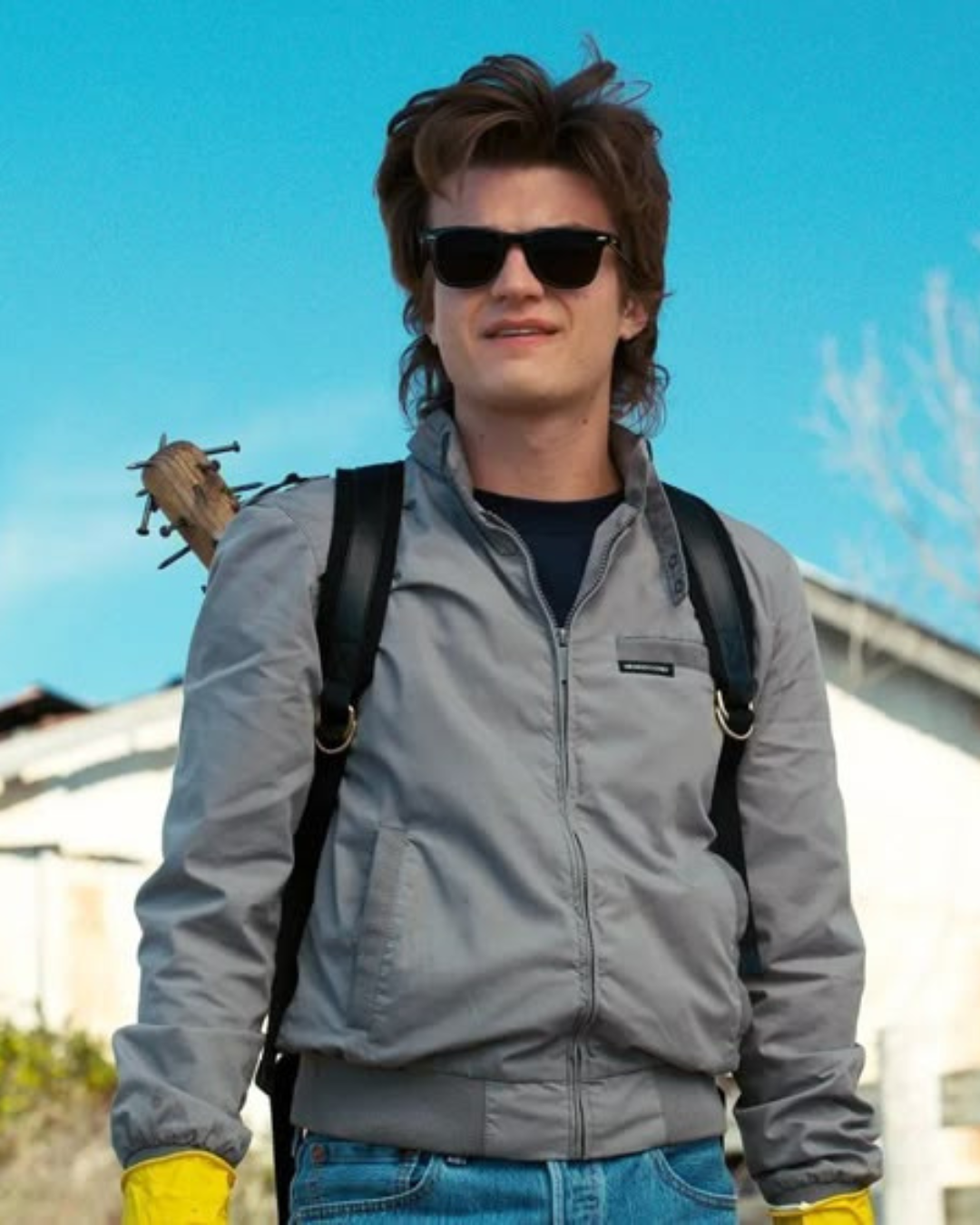
If Season 1 was the setup, Season 2 was the deconstruction. This is where the shift happened. Steve lost Nancy. He lost his status as "King Steve" to the erratic and dangerous Billy Hargrove. For a character built entirely on social capital, this should have been a villain origin story. Instead, it was a hero origin story.
Steve stayed hot, but he stopped trying so hard to prove it. The confidence became quieter. He started listening more than he spoke. He showed up not for the glory, but because people needed him. That shift from loud validation to calm self-belief is where the audience really started paying attention. It wasn't about being the coolest guy in the room anymore; it was about being the most reliable.
This season gave birth to the dynamic that would define his character for the rest of the series: the babysitter. Pairing Steve with Dustin Henderson was a stroke of genius. It stripped away Steve’s coolness and forced him to engage with someone who had zero social standing but a ton of heart. In mentoring Dustin, Steve found a new purpose. He wasn't the king anymore; he was the protector. He offered advice on girls and hair care, not with condescension, but with genuine brotherly affection. He drove the kids into danger to save them, taking beatings and risking his life without a second thought. This wasn't the behavior of a high school jock; it was the behavior of a leader.
Season 3: Scoops Ahoy Supremacy
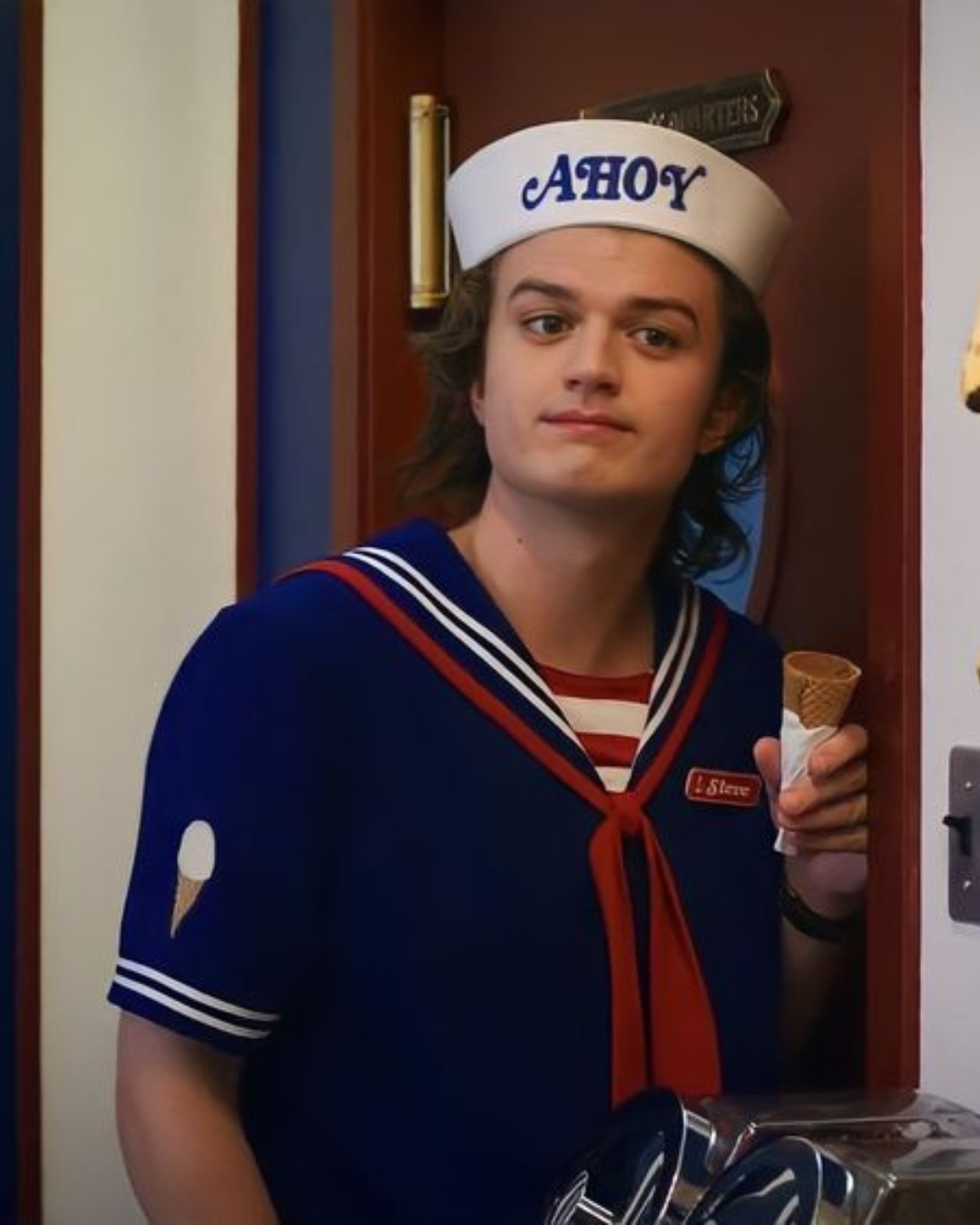
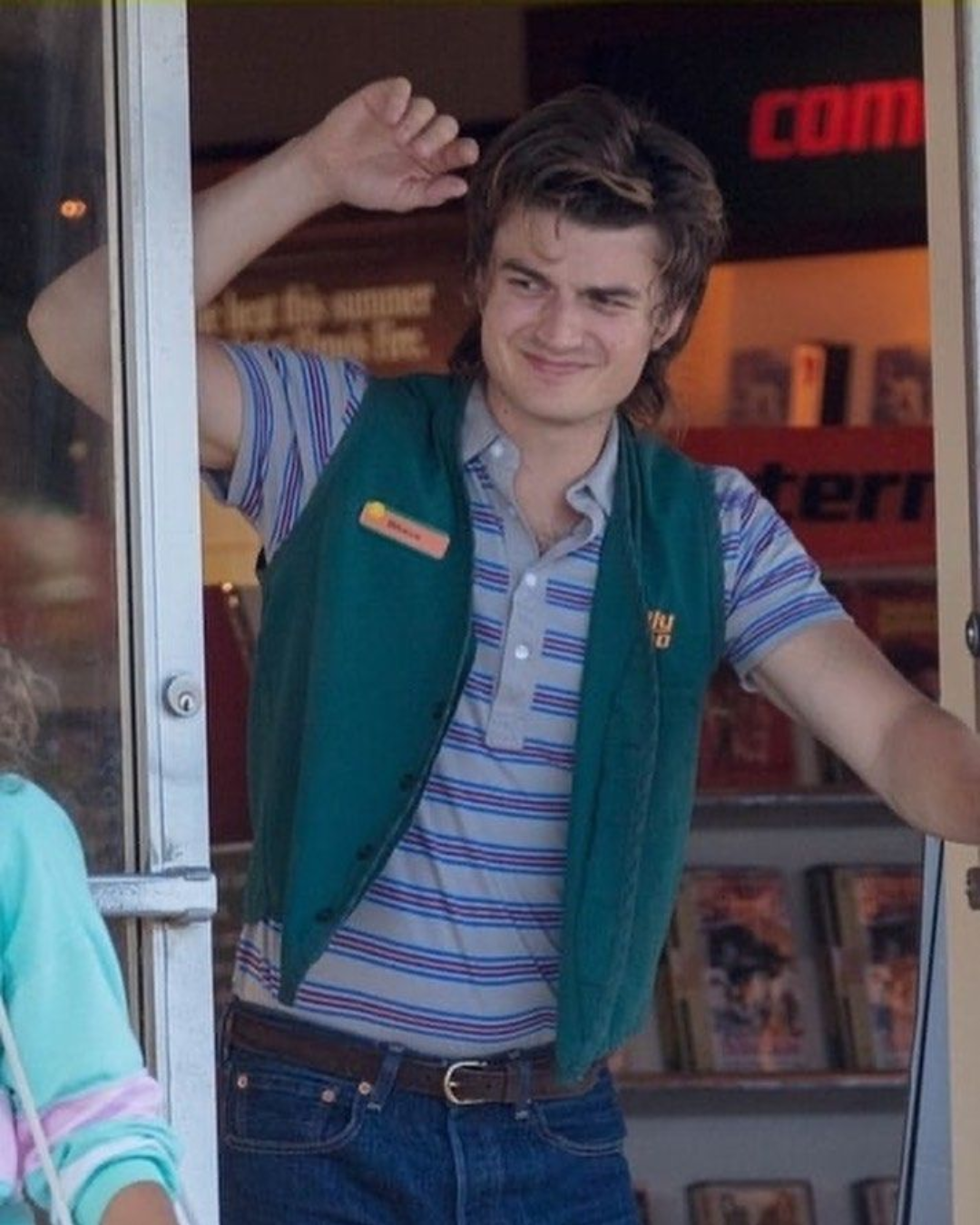
By the time Season 3 rolled around, Steve Harrington had completed one of the most drastic rebranding efforts in history. Gone were the polos and the BMW. In their place was a humiliating sailor uniform and a minimum-wage job at the mall.
That Scoops Ahoy uniform had absolutely no business working. It was ridiculous. It was infantile. And yet, Steve made it iconic. Not because the outfit was stylish, but because of his attitude. He leaned into the chaos. He handled the humiliation of serving ice cream to his former classmates with a self-deprecating humor that was infinitely more attractive than his Season 1 swagger.
Season 3 was about vulnerability. Steve was stuck. He wasn't getting into college. He was watching his ex-girlfriend move on. He was essentially a "loser" by his old standards. But instead of becoming bitter, he became open. His friendship with Robin Buckley was the emotional core of the season. When he confessed his feelings to her and she came out to him, his reaction was perfect. There was no awkwardness, no bruised ego, just immediate acceptance and a pivot to teasing her about her crush.
It was a masterclass in secure masculinity. In that moment, Steve showed that his care for Robin transcended romance. He valued her as a person, not just a love interest. That kind of effortless charm, rooted in genuine connection rather than conquest, is rare in male characters of this archetype. He proved that you can wear a silly hat and still be the most grounded person in the room.
Season 4: Soft Steve
We look ahead to the energy Steve embodies as the series approaches its end. By the later seasons, and projecting into the finale, Steve isn't performing anymore. The need for external validation has completely evaporated. Sweaters replaced polos. Silence replaced swagger. A distinct "protector energy" took over.
He didn’t need to announce his strength; he embodied it. He was the first one to dive into the lake to find the gate. He was the first one to volunteer for the dangerous parts of the plan. He took physical beatings that would have sidelined anyone else, merely wiping the blood off his chin and asking what the next move was.
The "Soft Steve" era is the culmination of his growth. It represents a man who knows exactly who he is. He is brave, he is loyal, and he is deeply, unabashedly caring. He dreams of a simple life—a Winnebago and a big family. He isn’t chasing greatness or fame; he wants connection and peace. This desire for a domestic, quiet life contrasts sharply with the monster-fighting chaos around him, making him even more endearing. The crush the audience developed in Season 1 didn't just linger; it matured right along with him. We stopped crushing on the cool guy and started loving the good man.
Season 5: Fall Coded Steve
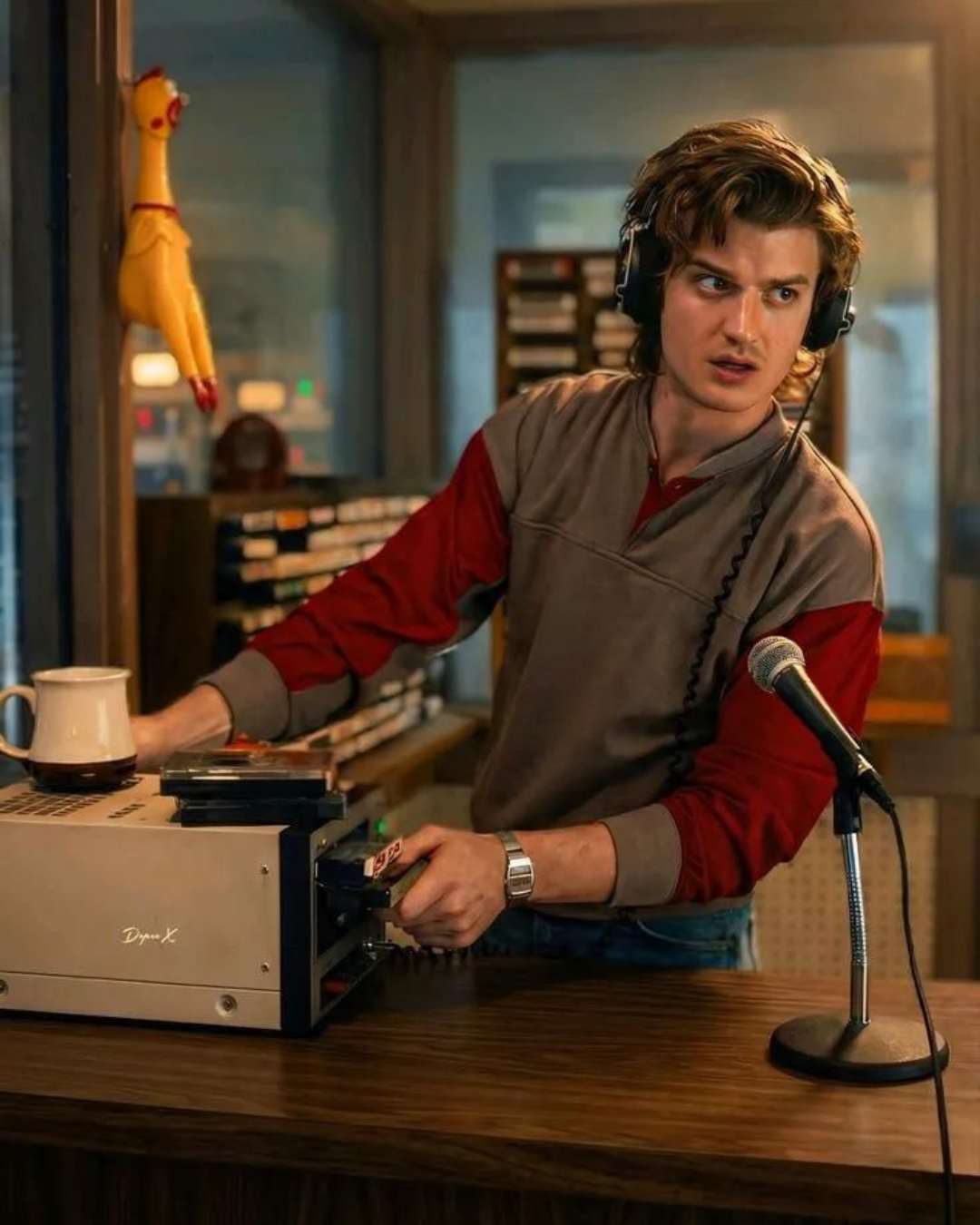
By Season 5, Steve is fully settled into himself. No performance. No bravado. Just quiet certainty. The polos are gone for good. Enter sweaters, layers, soft knits in warm, fall tones. Clothes that feel lived in. Clothes that signal safety. This is Steve dressing for function, comfort, and care rather than attention.
This era went viral because it tapped into something deeper than a crush. Season 5 Steve carries calm, grounded energy. He moves before anyone asks. He stands watch instead of showing off. He takes hits, protects others, and keeps going without commentary. Strength without spectacle.
The “fall coded” look amplified it all. Sweaters, relaxed fits, and muted colors made him feel real. Like someone you could trust in chaos and lean on in silence. Girls didn’t just find him attractive. They projected a future onto him. Warm kitchens. Long drives. Peace after danger.
Season 5 Steve isn’t the cool guy anymore. He’s the safe man. And that’s why the internet lost its mind.
Why Steve Actually Stuck
Steve Harrington didn’t become the internet’s favorite because he was hot. There are plenty of hot characters on television who fade into obscurity the moment the credits roll. Steve stayed loved because he grew. He cared. He evolved without losing himself.
That kind of glow-up feels earned, not manufactured. We saw the work. We saw the failures. We saw him sitting alone on the floor of a bathroom, realizing he didn't know who he was without a girlfriend. We saw him getting rejected. We saw him admitting he was wrong.
Most character arcs for "the bully" involve a sudden 180-degree turn or a sacrificial death. Steve’s arc was a slow burn. It was messy. It felt real. He didn't become a different person; he became a better version of the person he always had the potential to be. He retained his wit and his slightly clueless charm, but he shed the cruelty and the vanity.
Some characters age out of relevance as trends change. The bad boy trope gets tired. The nice guy trope can feel boring. But Steve occupies a middle ground that is timeless. He is the reformed bad boy who is actually just a really nice guy. He is a standard for character development that writers should study.
Friendship as the Ultimate Love Story
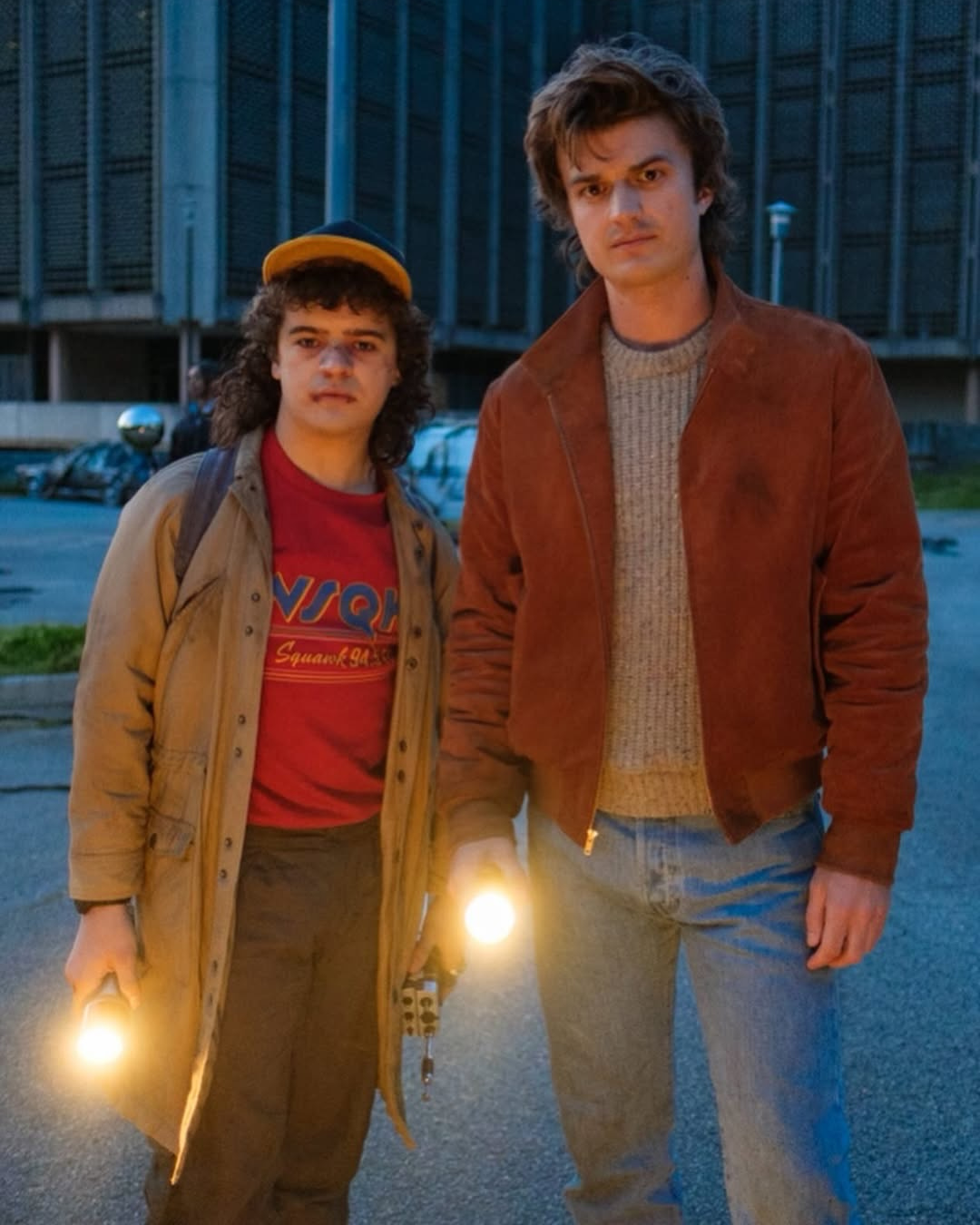
While the show teases romantic subplots for Steve, his most significant relationships are platonic. This is another reason he feels so fresh. His bond with Dustin is the heart of the show. It bridges the gap between the older teens and the younger kids, knitting the cast together. It shows that friendship isn't about age or shared interests, but about shared values and loyalty.
His friendship with Robin is equally important. It is a rare portrayal of a male-female friendship that is deep, intimate, and loving without being sexual. They are soulmates in a platonic sense. They bicker, they support each other, and they understand each other better than anyone else. By centering these relationships, the show allows Steve to be defined by who he loves, not just who he sleeps with.
Why The Evolution Matters Today
In 2026, we are more attuned to emotional intelligence than ever before. We analyze characters not just by their actions, but by their emotional logic. Steve Harrington passes every vibe check because his logic holds up. His transition from self-absorbed teen to selfless adult mirrors the journey we all hope to take.
We live in an era of curation, where online personas are carefully crafted and maintained. Steve is the antithesis of that. He is messy. He gets beat up in almost every season. He strikes out with girls. He works dead-end jobs. He is failing in all the traditional metrics of success that he valued in Season 1. Yet, by Season 4 and 5, he is happier and more loved than he ever was as the King of Hawkins High.
This is a powerful message for a digital generation. It suggests that success isn't about the image you project, but the connections you build. It says that you can fail at your "plan" and still succeed at your life. Steve didn't get into college, but he got into the history books of pop culture.
Conclusion: The Standard
As we look back on the cultural footprint of Stranger Things, monsters and alternate dimensions will be the headline. But the emotional legacy will likely belong to Steve Harrington.
He taught us that it’s okay to be wrong. He taught us that losing your status isn't the same as losing your worth. He taught us that being a good friend is cooler than being the popular kid. And yes, he taught us that a good hair routine is worth the effort.
Steve Harrington isn't just a character; he is a benchmark. He represents the idea that people can change, that masculinity can be nurturing, and that vulnerability is the ultimate strength. In a sea of static archetypes, Steve Harrington was a dynamic force of nature.
People fell for the hair, sure. It was magnificent. But they stayed for the heart. They stayed for the guy who swung the bat. They stayed for the guy in the sailor suit. They stayed for the guy who grew up.
Steve Harrington is proof that the best character arcs aren’t about becoming a superhero. They’re about becoming a decent human being. And in the end, that is the most attractive thing of all.
Follow BeSpoke AI Stylist for icons that actually age well.
The Final Verdict
So, let’s settle it. The hair was the hook. It was the visual signature that made him recognizable in silhouette. It was the fluffy, sprayed-up entry point into his character.
But the reason millions of people post about him, dress like him, and re-watch his scenes is not follicular. It is emotional. It is the satisfaction of seeing someone break the mold they were poured into. It is the comfort of knowing that even if you start out as a jerk, you don't have to end up as one.
Steve Harrington redefined what we look for in our male leads. We stopped looking for the brooding mystery man and started looking for the guy who asks if you’re okay. We stopped looking for perfection and started looking for growth.
He is the gold standard of character redemption. He is the king of the slow burn. And he is, without a doubt, the best babysitter in Hawkins, Indiana.
Long live King Steve. Not for the crown he wore, but for the man he became without it.