

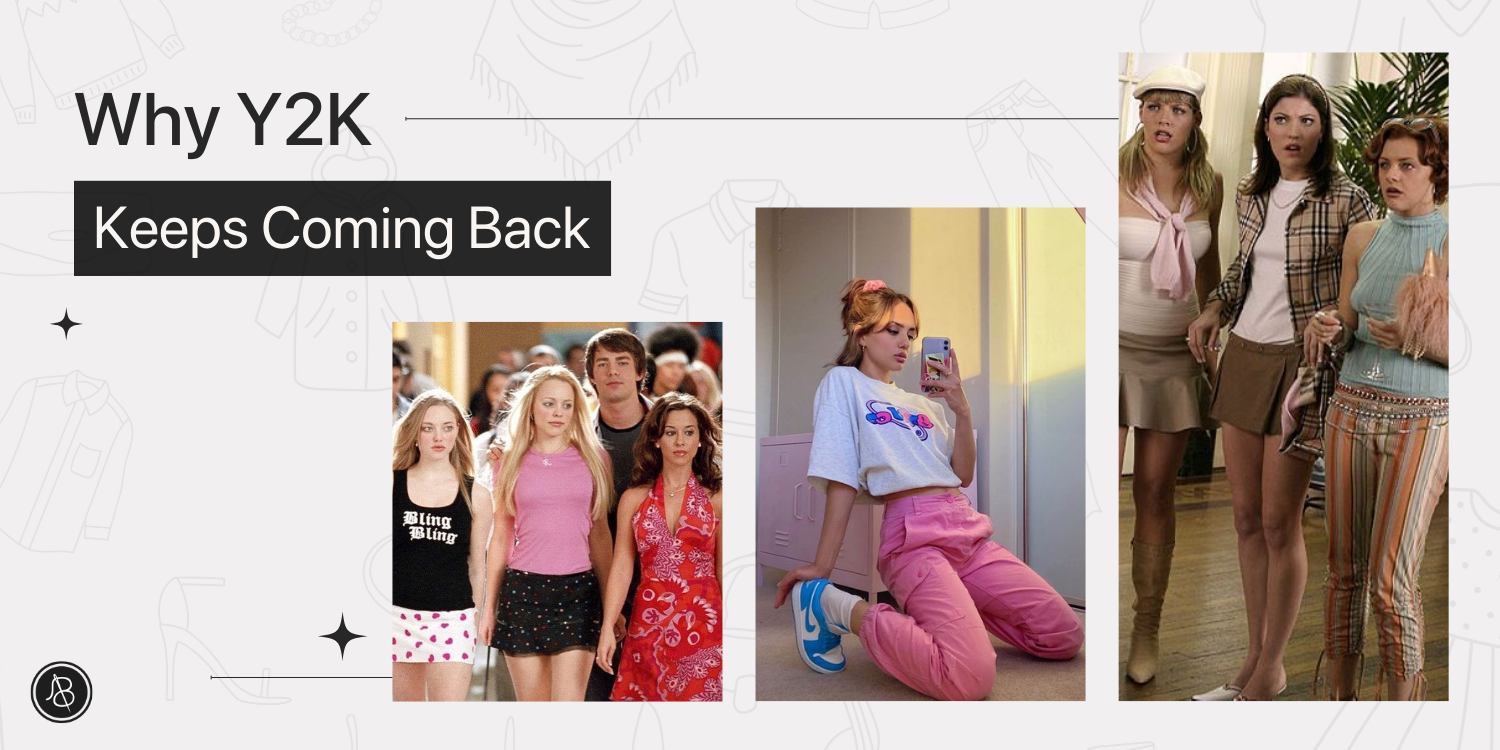
Y2K fashion’s comeback is often reduced to a checklist of trends: low-rise jeans, tiny handbags, velour tracksuits, and logo-heavy styling. But its persistent refusal to disappear from the cultural lexicon has very little to do with any specific piece of clothing. Its staying power is rooted in something far more intangible: how that era made people feel.
The early 2000s were chaotic, confident, and unapologetically expressive. Fashion during that time was not about perfection or meticulous curation. Outfits were experimental, impulsive, and sometimes delightfully unhinged. That energy fostered a sense of freedom that feels increasingly rare in a world dominated by algorithms and pristine personal brands. Y2K fashion was a visual representation of a dial-up modem connecting to the internet for the first time—a little noisy, a bit clunky, but brimming with optimistic, futuristic energy.
The renewed interest in Y2K in 2026 isn't just a simple cycle of nostalgia. It’s an emotional escape. It represents a time before constant optimization, where self-expression was messy, and personal style was a journey, not a destination. For years, fashion leaned heavily into the quiet restraint of minimalism. While refined, this approach also removed a degree of spontaneity. Y2K offers a welcome release from that rigidity, allowing people to dress for a feeling rather than a set of rules. This is why it continues to return, not as a costume trend, but as an emotional language that reminds us fashion can be loud, imperfect, and deeply personal again.
The Emotional Core of Y2K: Freedom from Perfection
To understand why Y2K resonates so deeply today, we have to look past the butterfly clips and consider the cultural mindset of the time. The turn of the millennium was a unique moment in history. It was perched on the cusp of a digital revolution, filled with a sense of techno-optimism and a touch of futuristic absurdity. The world didn’t end at midnight on January 1, 2000, and the collective sigh of relief seemed to usher in an era of playful experimentation.
Fashion reflected this mood perfectly. It was a time of maximalism, where more was more. Layering was an art form—a dress over jeans, a tank top over a long-sleeved shirt, multiple belts for no structural reason. Outfits were assembled with a kind of reckless abandon that prioritized fun over good taste. This wasn’t about creating a timeless, elegant silhouette; it was about capturing a fleeting moment of joy, confidence, or even awkwardness.
This contrasts sharply with the hyper-curated aesthetic that has defined much of the last decade. The rise of social media platforms like Instagram trained a generation to view their lives through a lens of perfection. Every outfit, every photo, every post had to be optimized for engagement. Neutral palettes, clean lines, and minimalist aesthetics became the unofficial uniform of the digital age because they were safe, universally appealing, and easy to brand. Personal style became less about personal expression and more about building a cohesive, marketable feed.
The return to Y2K is a rebellion against this pressure. It’s a collective exhale. It grants permission to be a little bit messy, to clash colors, to wear something just because it’s fun. The chunky platform sneakers, the glittery body spray, the slightly-too-small t-shirts—they are all artifacts of a time when fashion was less serious. It was a language of pure, unadulterated self-expression, before we all learned how to monetize it. This desire for authenticity, for a return to a less calculated way of being, is the emotional engine driving Y2K’s enduring appeal. It’s not just about wearing old clothes; it’s about reclaiming a mindset of playful freedom.
Pop Culture as the Gatekeeper of Y2K Nostalgia
Our emotional connection to Y2K is inextricably linked to the pop culture that defined it. The films and television shows of the early 2000s are not just nostalgic visuals; they are emotional time capsules. They represent a time when fashion felt deeply personal and, crucially, forgiving.
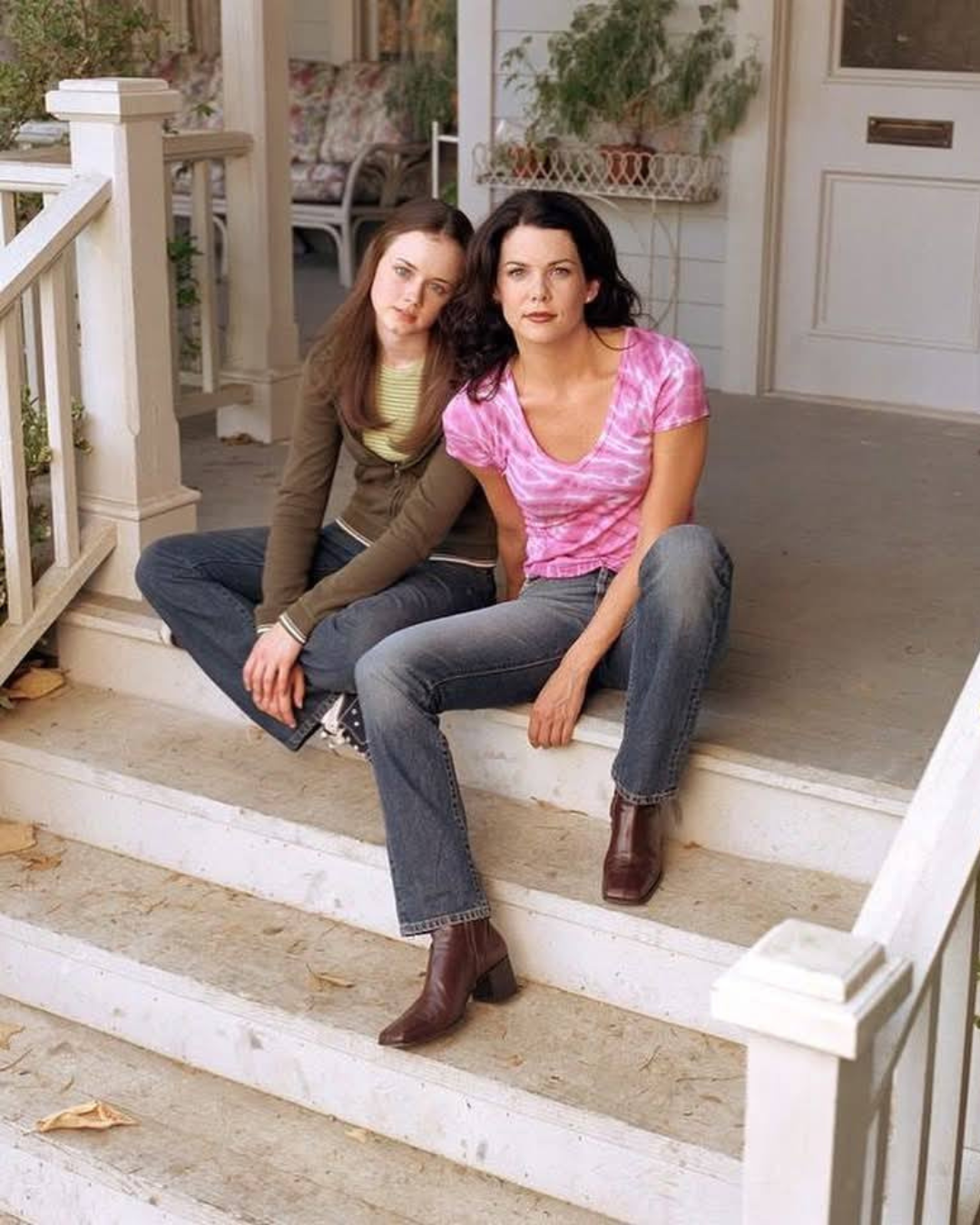
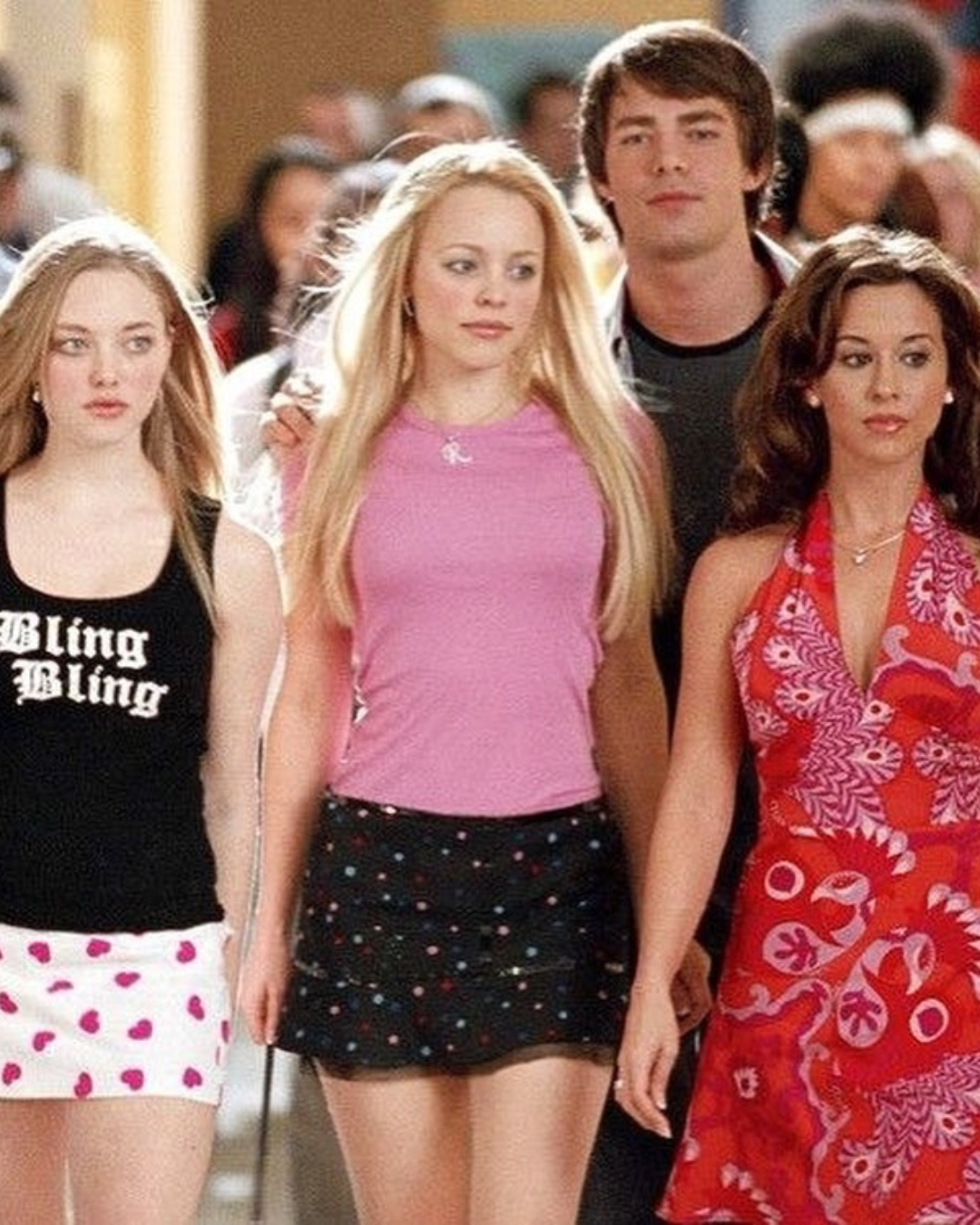
Characters like the Plastics in Mean Girls treated the high school hallway like a runway, their coordinated pink outfits a symbol of confident, if slightly terrifying, self-possession. They dressed with drama and intention, embodying a kind of aspirational confidence that was captivating. On the other end of the spectrum, Rory Gilmore’s wardrobe in Gilmore Girls felt effortless and deeply personal. Her cable-knit sweaters, low-slung jeans, and band t-shirts weren’t styled for anyone’s approval; they were a reflection of her identity as a studious, thoughtful, and slightly introverted teenager. Her style felt attainable and authentic, a quiet counterpoint to the high-glam aesthetics of other media.
Perhaps no film captures the Y2K style journey better than The Princess Diaries. Mia Thermopolis’s "before" look—the frizzy hair, the clunky glasses, the ill-fitting school uniform—captured an awkward but authentic phase where style was still being figured out in real time. We remember this phase fondly because we all lived it. Her transformation wasn't just about becoming a princess; it was about navigating the messy process of finding her own confidence. These characters and their wardrobes are embedded in our collective memory.
This phenomenon is amplified by the rise of "comfort viewing." As the world becomes more complex and uncertain, many find solace in re-watching familiar films and series. Returning to these stories is a form of emotional regulation, and with them comes a reconnection to the aesthetics of that era. When you watch a Y2K-era movie, you are not just consuming a plot; you are immersing yourself in a feeling. The fashion becomes part of that emotional escape. It represents a world that felt simpler, more optimistic, and less beholden to the pressures of a fully digital life. It was a time before algorithms dictated what was cool, before every moment was a potential piece of content. Y2K fashion is the uniform of that pre-optimization paradise.
A Release from the Tyranny of Minimalism
For years, the fashion world was dominated by a minimalist ethos. Clean silhouettes, neutral palettes, and "safe" choices became the cornerstones of a modern wardrobe. The rise of brands like Everlane and the popularity of Scandinavian design principles championed a look that was refined, understated, and easy to wear. This wasn't necessarily a bad thing. Minimalism offered a sense of calm and order in a chaotic world. It was a response to the overconsumption of fast fashion, promoting the idea of a timeless, curated wardrobe.
However, after years of restraint, a collective fatigue began to set in. While elegant, the minimalist uniform could also feel restrictive. It removed a sense of spontaneity and playfulness from the act of getting dressed. Wardrobes became collections of beiges, blacks, and whites—practical and chic, but often lacking in personality.
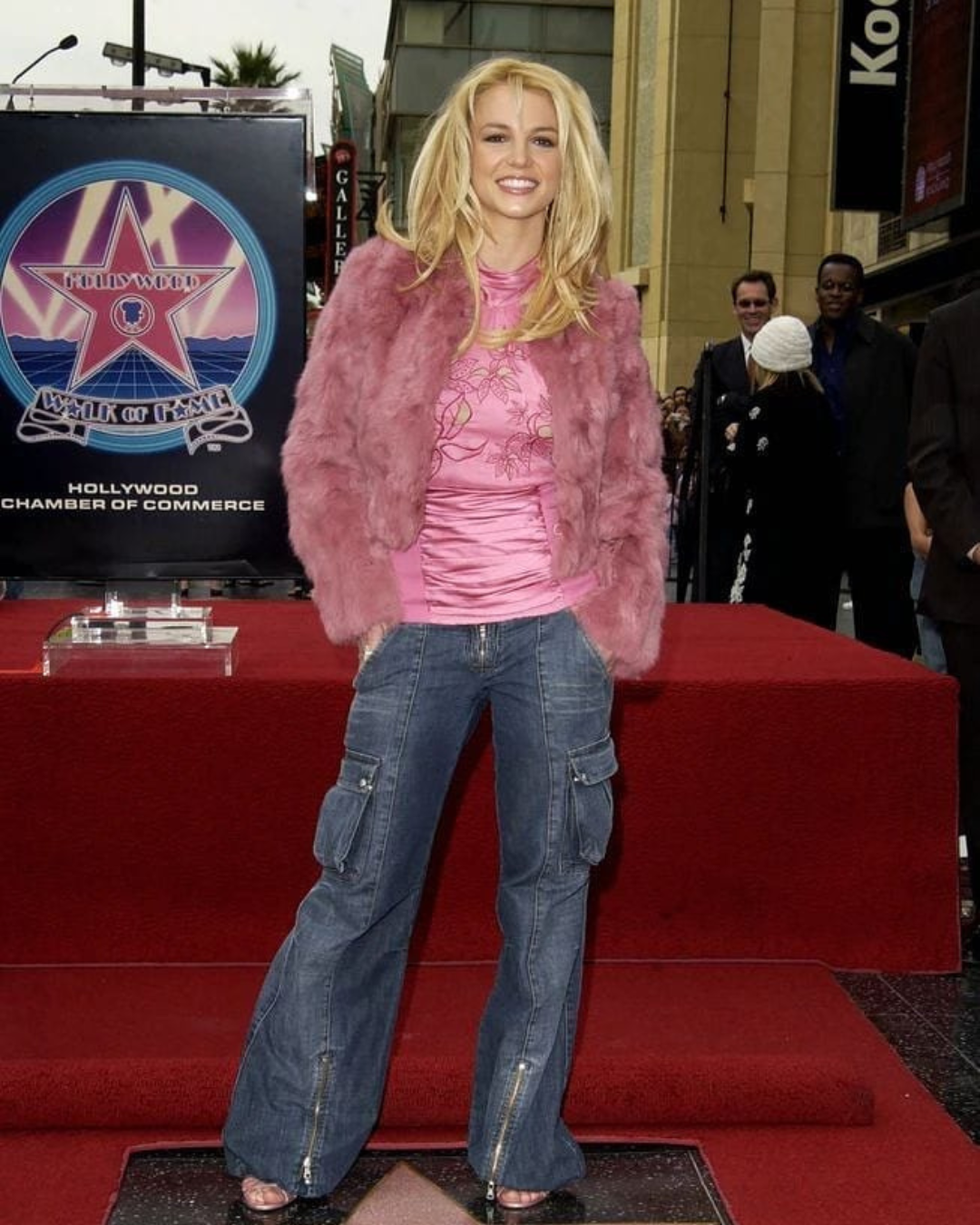
Y2K fashion offers the perfect antidote to this aesthetic sobriety. It is a riot of color, texture, and embellishment. It invites you to be bold, to take risks, and to not take yourself so seriously. It’s about dressing for a feeling rather than adhering to a set of rules. Do you want to wear a denim-on-denim ensemble? Go for it. Feel like pairing a baby tee with cargo pants? Excellent. Y2K fashion says yes to the things that minimalism says no to.
This release from rigidity is deeply therapeutic. It allows people to tap into a more impulsive, expressive part of themselves. In 2026, where every choice can feel weighed down by social and political significance, the simple, unapologetic fun of Y2K style feels like a breath of fresh air. It’s a reminder that fashion doesn’t always have to be a serious statement about your values or your social standing. Sometimes, it can just be about the sheer joy of wearing a fuzzy bucket hat. This permission to be a little bit ridiculous is a powerful form of self-care. It’s a way of pushing back against the expectation to be polished and perfect at all times.
The Evolution of Y2K in 2026: Nostalgia Remixed
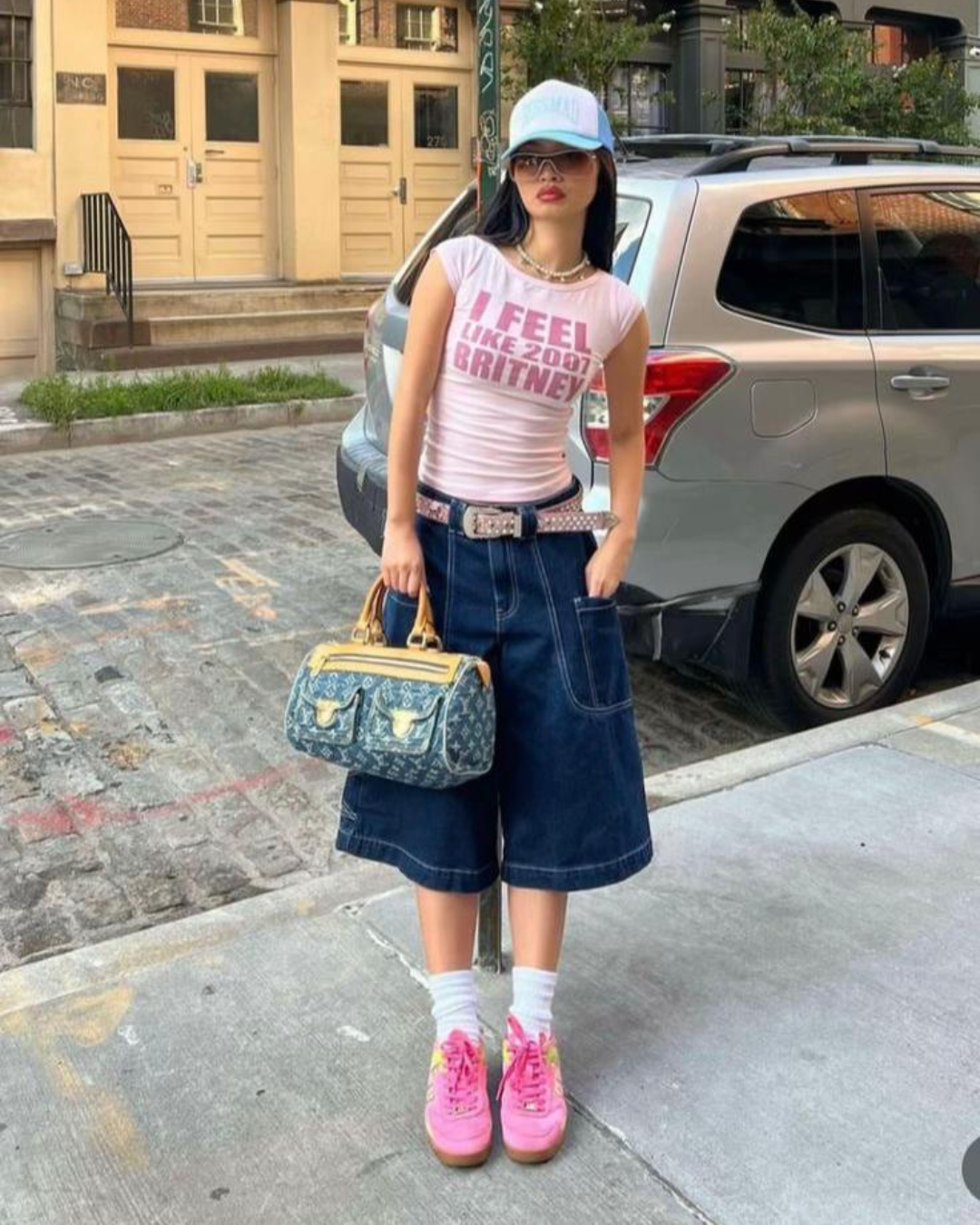
The Y2K revival we see in 2026 is not a direct, carbon-copy revival. It’s an evolution. It’s nostalgia filtered through a modern lens of comfort, self-awareness, and inclusivity. We are cherry-picking the best parts of the era and reinterpreting them for today.
The most noticeable shift is in the silhouettes. The restrictive, ultra-low-rise jeans of the original Y2K era have been largely replaced by more relaxed, baggy denim. While the waistlines are still low, the overall fit is looser and more comfortable, reflecting a broader cultural shift toward clothes that allow for movement and ease. The impossibly tiny crop tops are still here, but they are often balanced with layering or paired with high-waisted bottoms, creating a more intentional and less exposed look. The aesthetic is more about a playful nod to the era than a literal recreation.
There is also a greater sense of intentionality. The original Y2K was often about chaos for the sake of it—a jumble of trends worn all at once. Today’s interpretation is more curated. It’s about using Y2K elements to inject personality into an outfit, rather than letting the trend consume it entirely. Someone might pair a classic, minimalist outfit with a single Y2K accessory, like a brightly colored baguette bag or a pair of shield sunglasses. The gloss, the texture, and the playful personality remain, but the application is more thoughtful.
This remix is also shaped by a modern understanding of self-awareness. The shock value that drove some of the original Y2K trends has been replaced by a desire for authentic self-expression. It’s less about grabbing attention and more about feeling good in what you’re wearing. The camp and humor of the era are still present, but they are deployed with a wink and a nod. We are in on the joke. We know that a velour tracksuit is a little bit absurd, and that’s precisely why we love it. Today’s Y2K is not about blindly recreating the past; it’s about reclaiming the confidence of that era with the wisdom and maturity of the present. The nostalgia remains, but it is now paired with comfort, balance, and a more defined sense of personal style.
The Enduring Language of Y2K Fashion
Ultimately, Y2K continues to cycle back into the mainstream because it is more than just a collection of trends. It is an emotional language. It communicates a set of feelings and ideas that are deeply resonant in the current cultural moment: freedom, optimism, authenticity, and a playful disregard for the rules.
In an age defined by polished digital identities, Y2K offers a connection to a messier, more analogue past. It’s a reminder of a time when personal style was something you discovered through trial and error, not something you perfected for an online audience. The fashion of the early 2000s was often awkward, sometimes questionable, but always personal. It was the soundtrack to first crushes, awkward school dances, and hours spent chatting with friends on instant messenger. To wear Y2K fashion today is to tap into that well of personal history and collective memory.
This is why the trend refuses to disappear. It’s not a costume. It’s a feeling. It’s the feeling of optimism for a new millennium, the freedom of dressing for yourself, and the joy of embracing imperfection. As long as we crave authenticity and a release from the pressures of a hyper-curated world, we will continue to find ourselves drawn to the chaotic, confident, and unapologetically expressive spirit of Y2K. It is a language that reminds us that fashion can be, and perhaps should be, loud, imperfect, and deeply personal again. It’s not just a look; it’s a mindset. And that is something that will never go out of style.
As we continue to navigate the complexities of 2026, the appeal of a simpler, more optimistic time is undeniable. Y2K fashion provides a tangible link to that feeling. It allows us to wear our nostalgia on our sleeves—literally. It’s a way of carrying the past with us, not as a burden, but as a source of joy and inspiration. The world may have changed dramatically since the year 2000, but the human desire for freedom and self-expression remains constant. And as long as that desire exists, the spirit of Y2K will be there, waiting to be rediscovered by a new generation, ready to remind us all to have a little more fun.